
News
The Academic Council Agenda Focuses on Educational Quality, the Admissions Campaign and Human Resources Policy
- Hits: 161
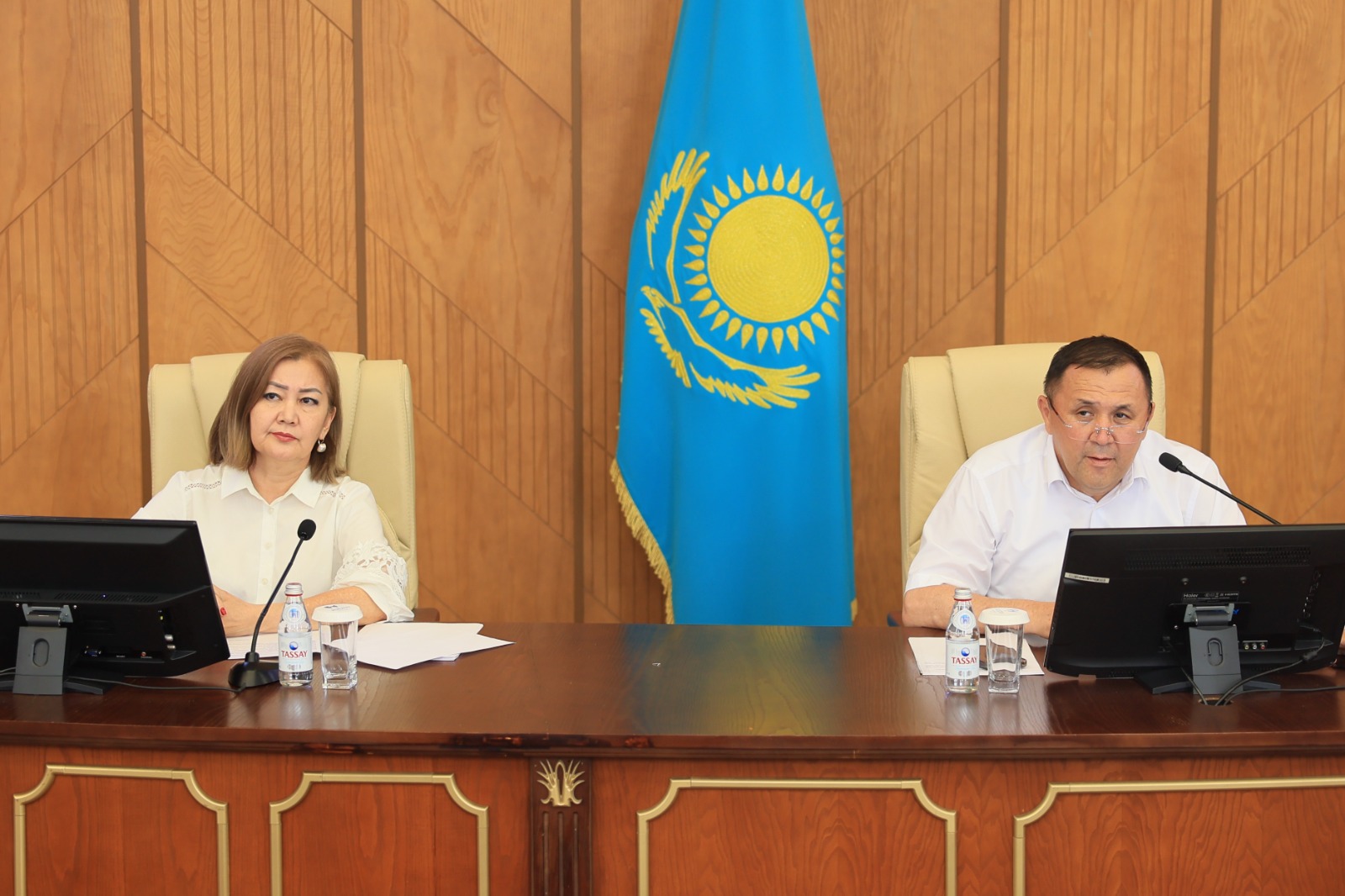
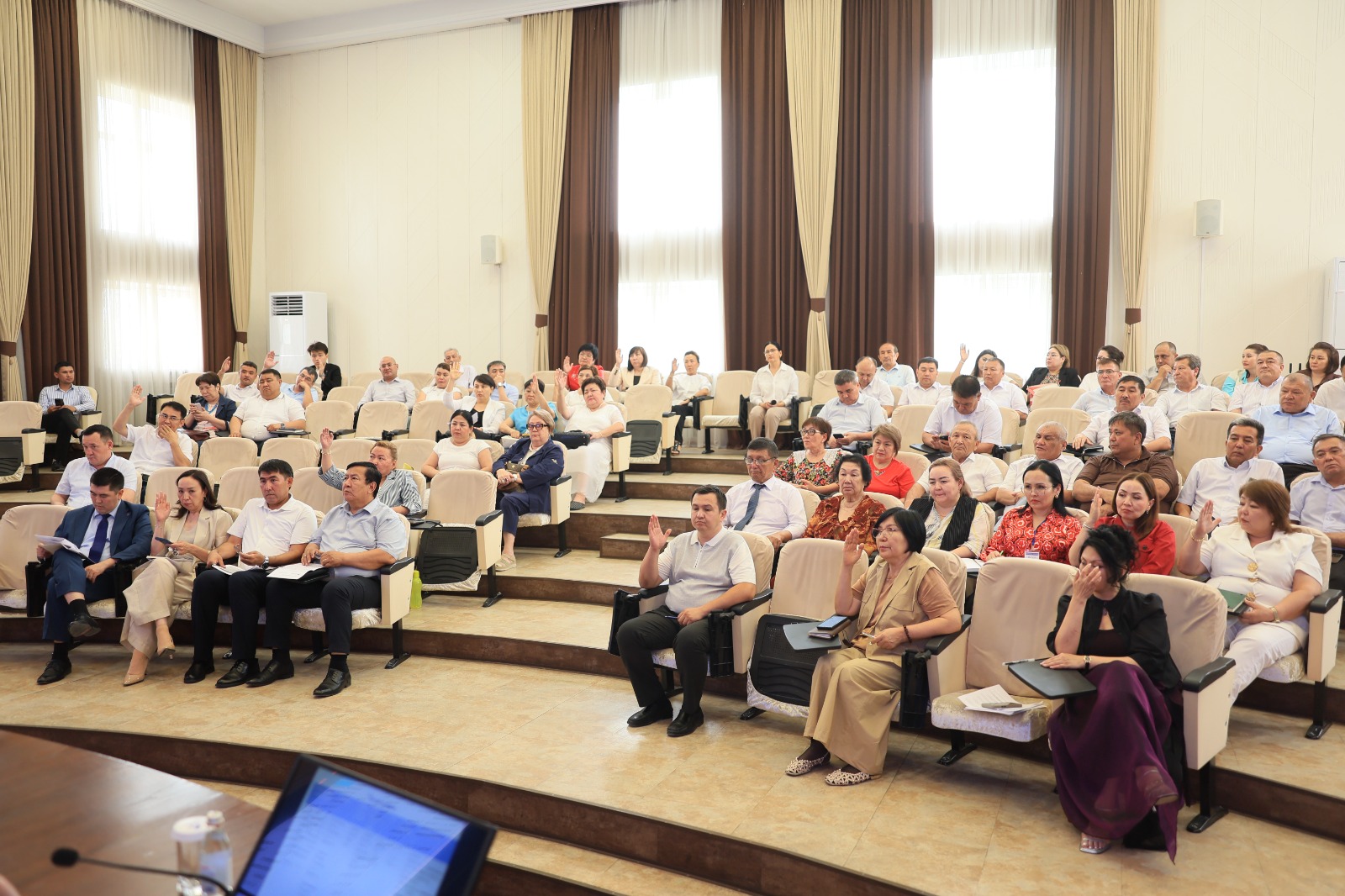
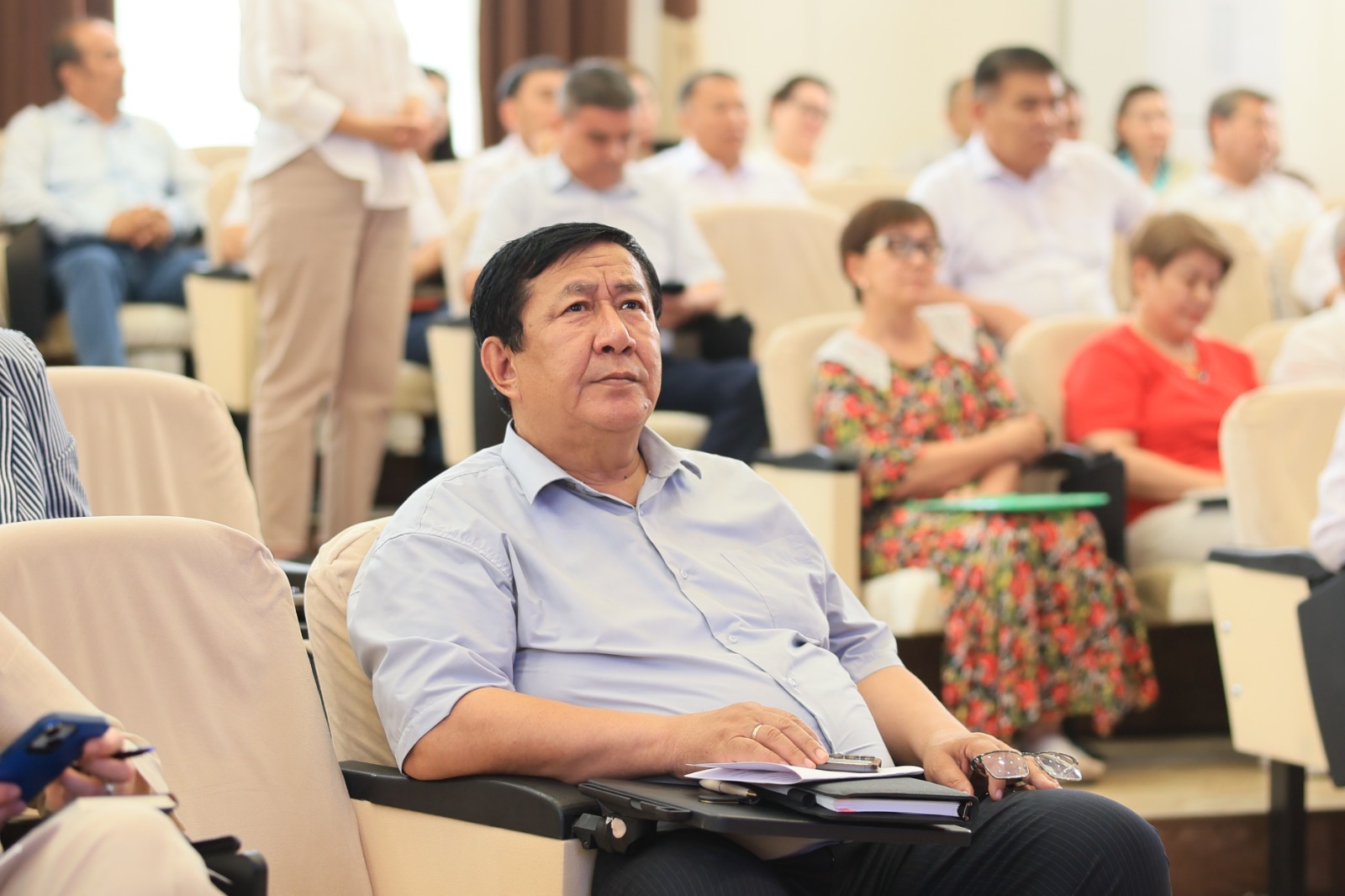
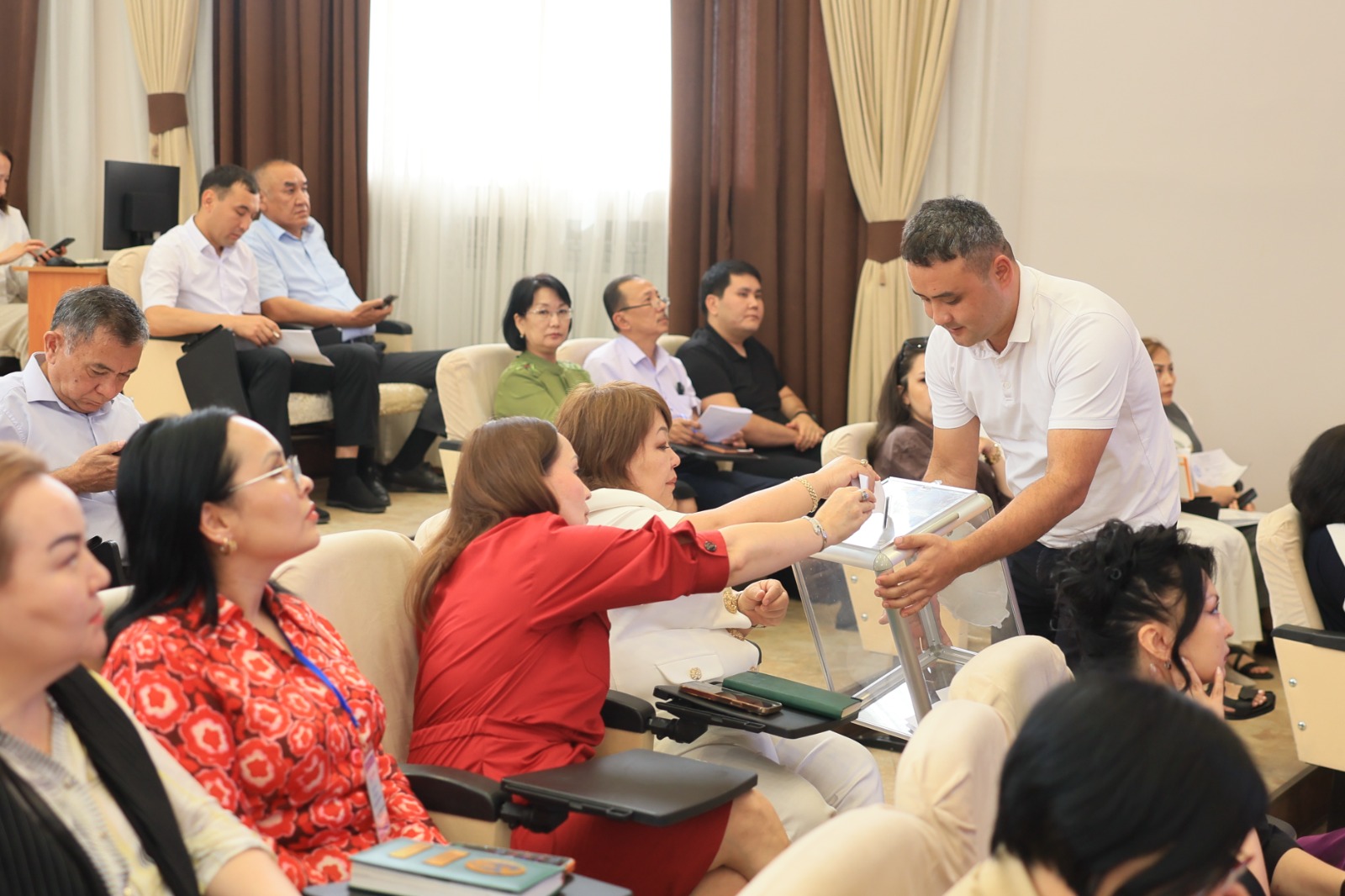
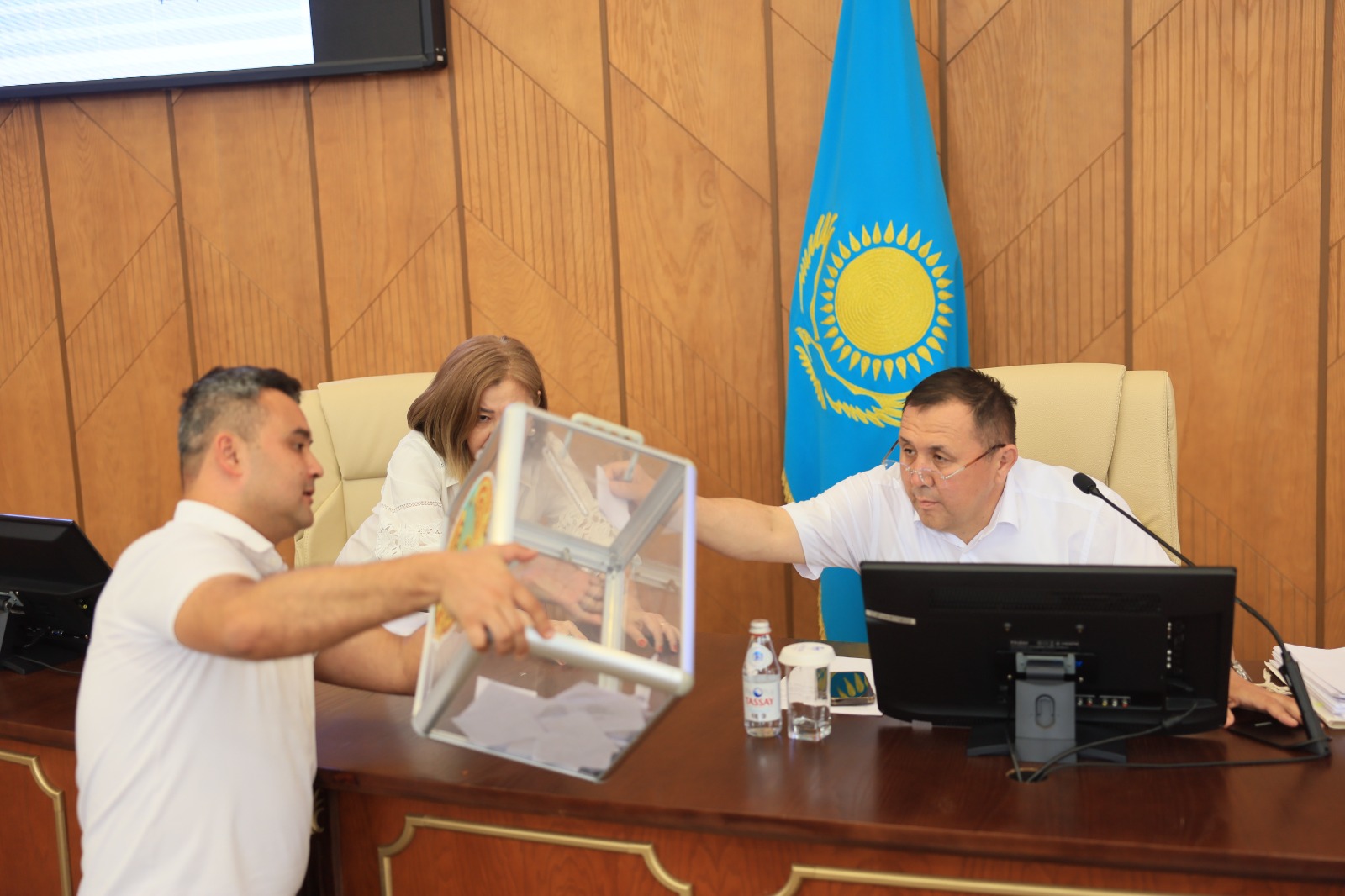
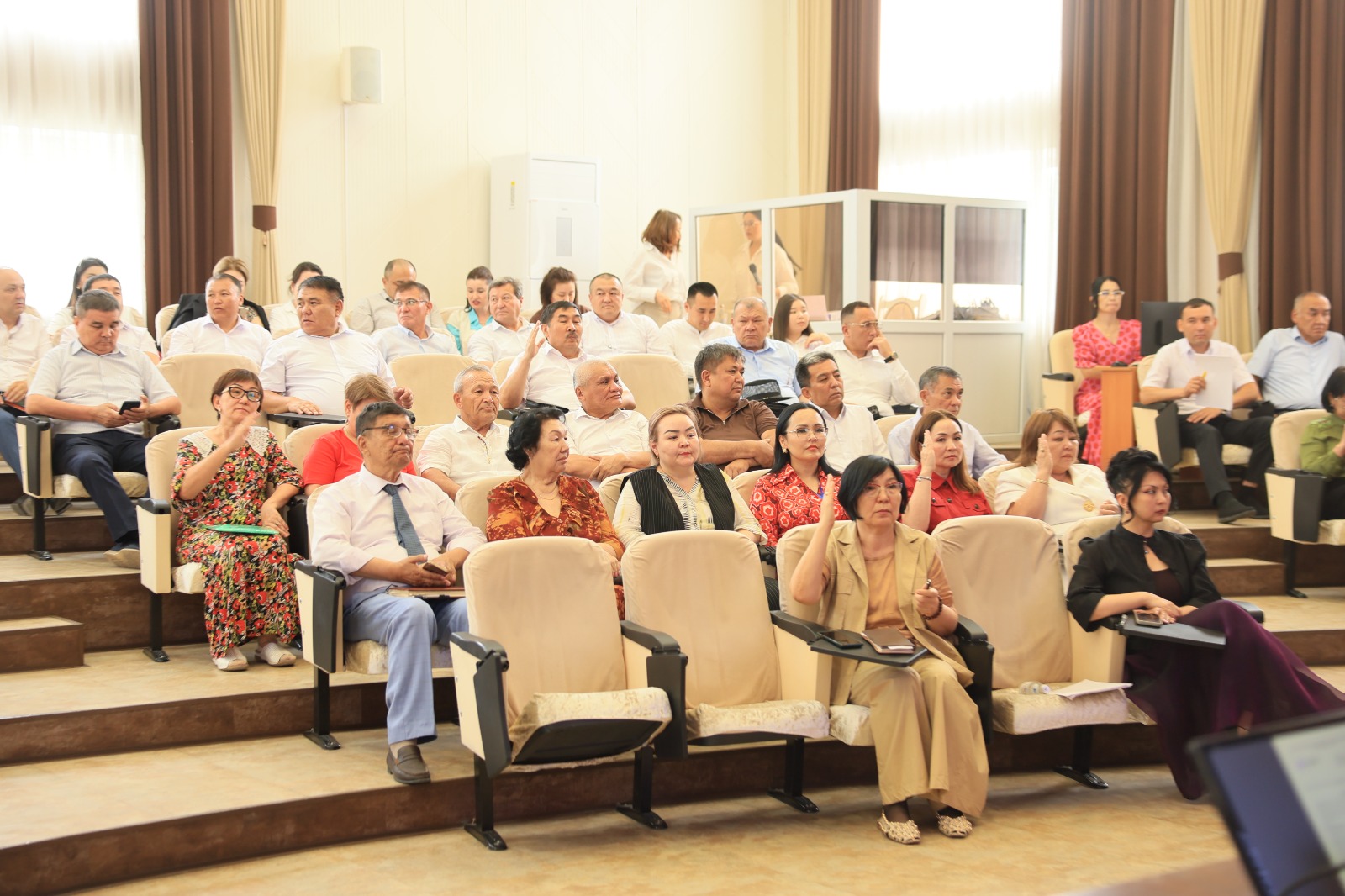
The Academic Council of Auezov SKU held its regular meeting to address critical issues concerning the improvement of the university's educational activities, organisation of the upcoming admissions campaign, development of student self-governance, implementation of human resources policy and ongoing scientific research activities.
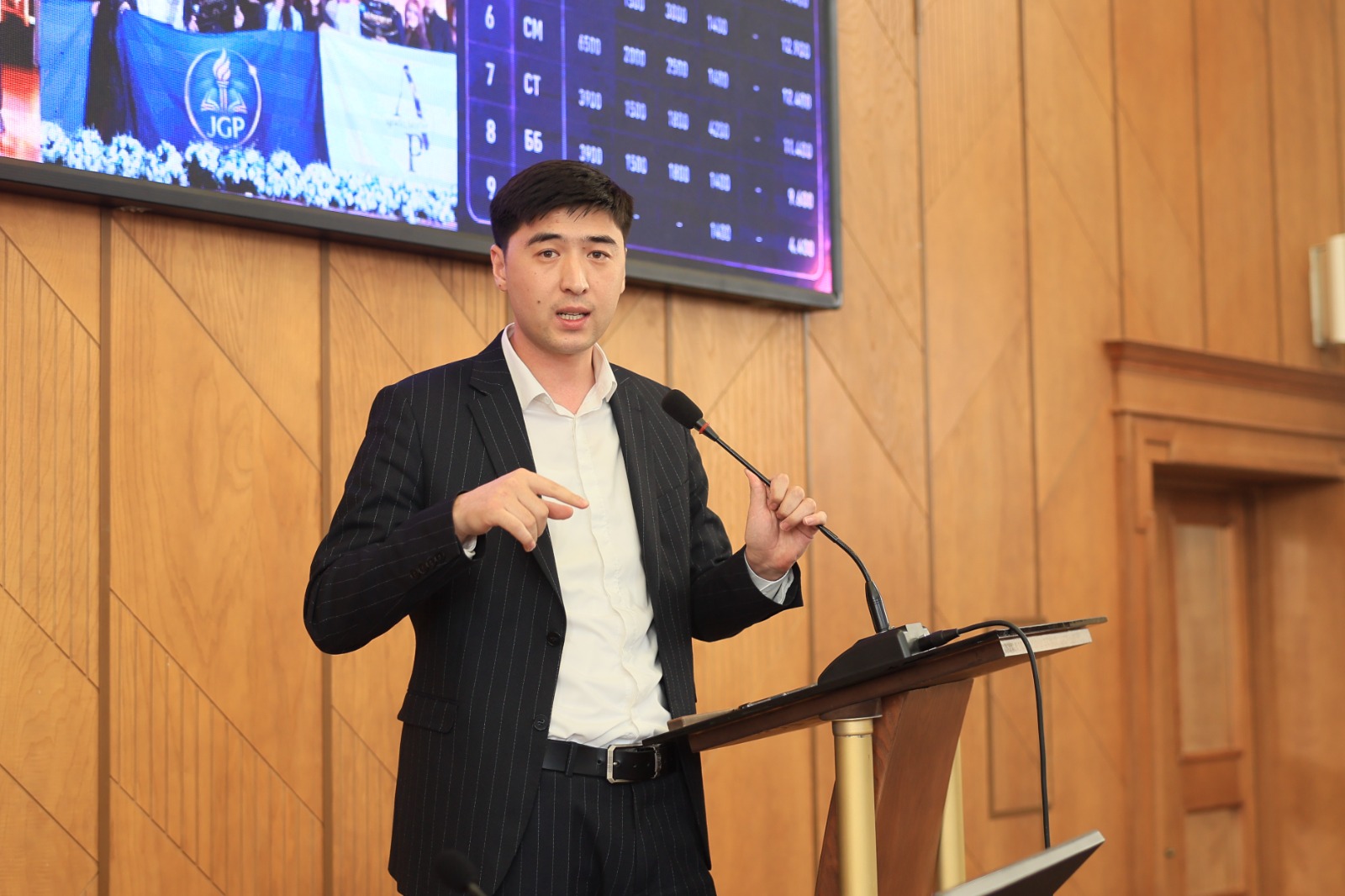
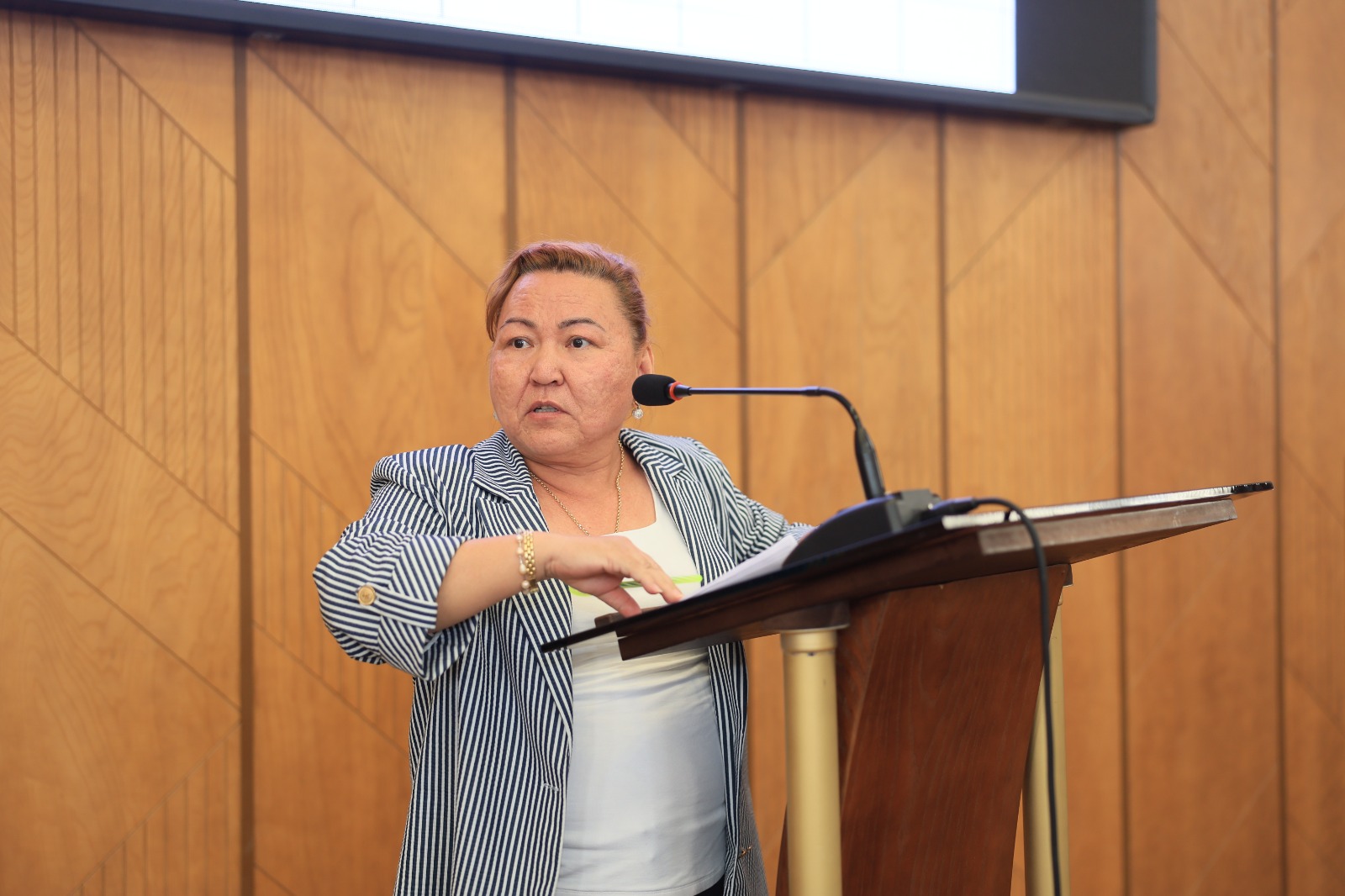
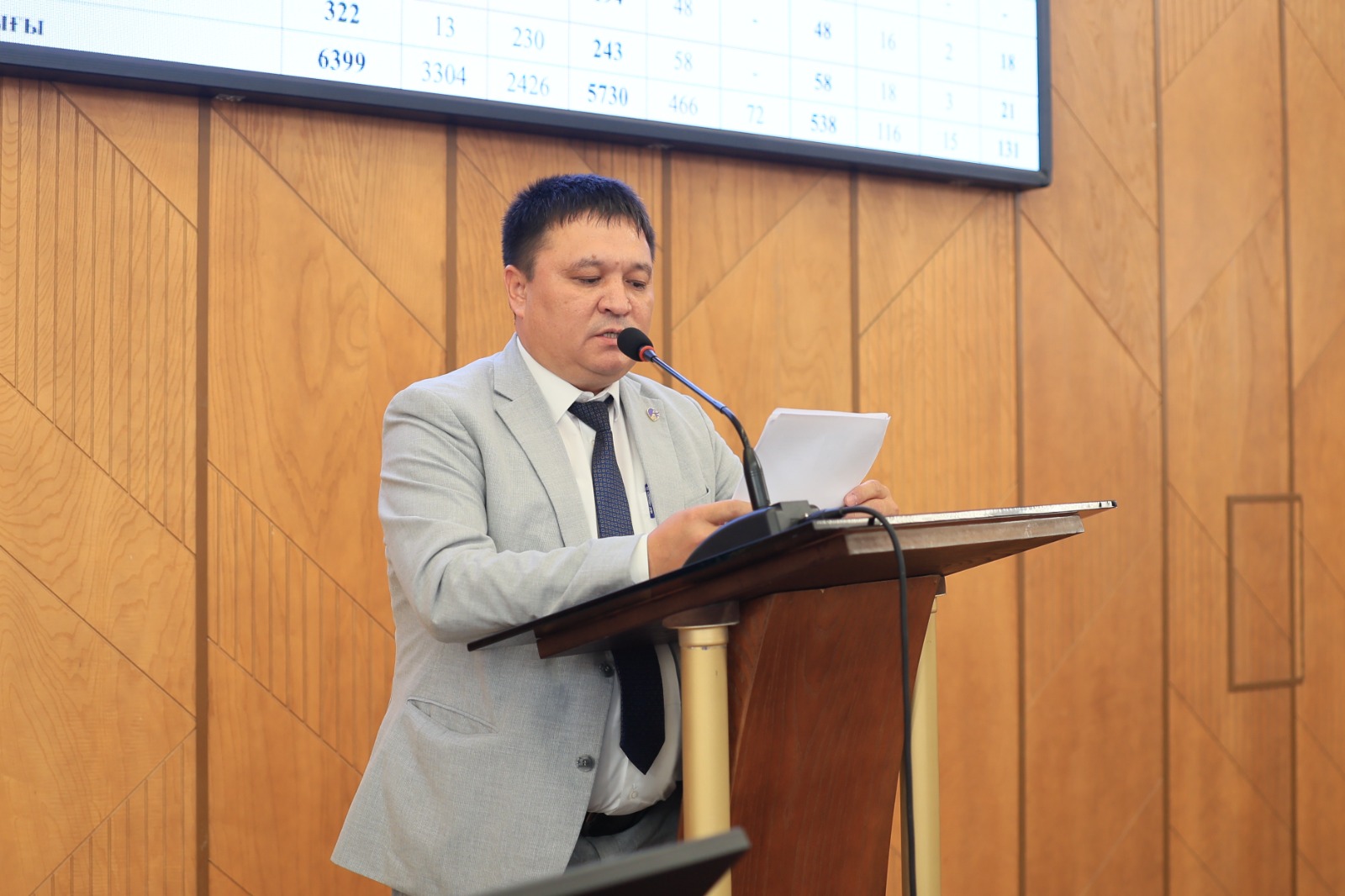
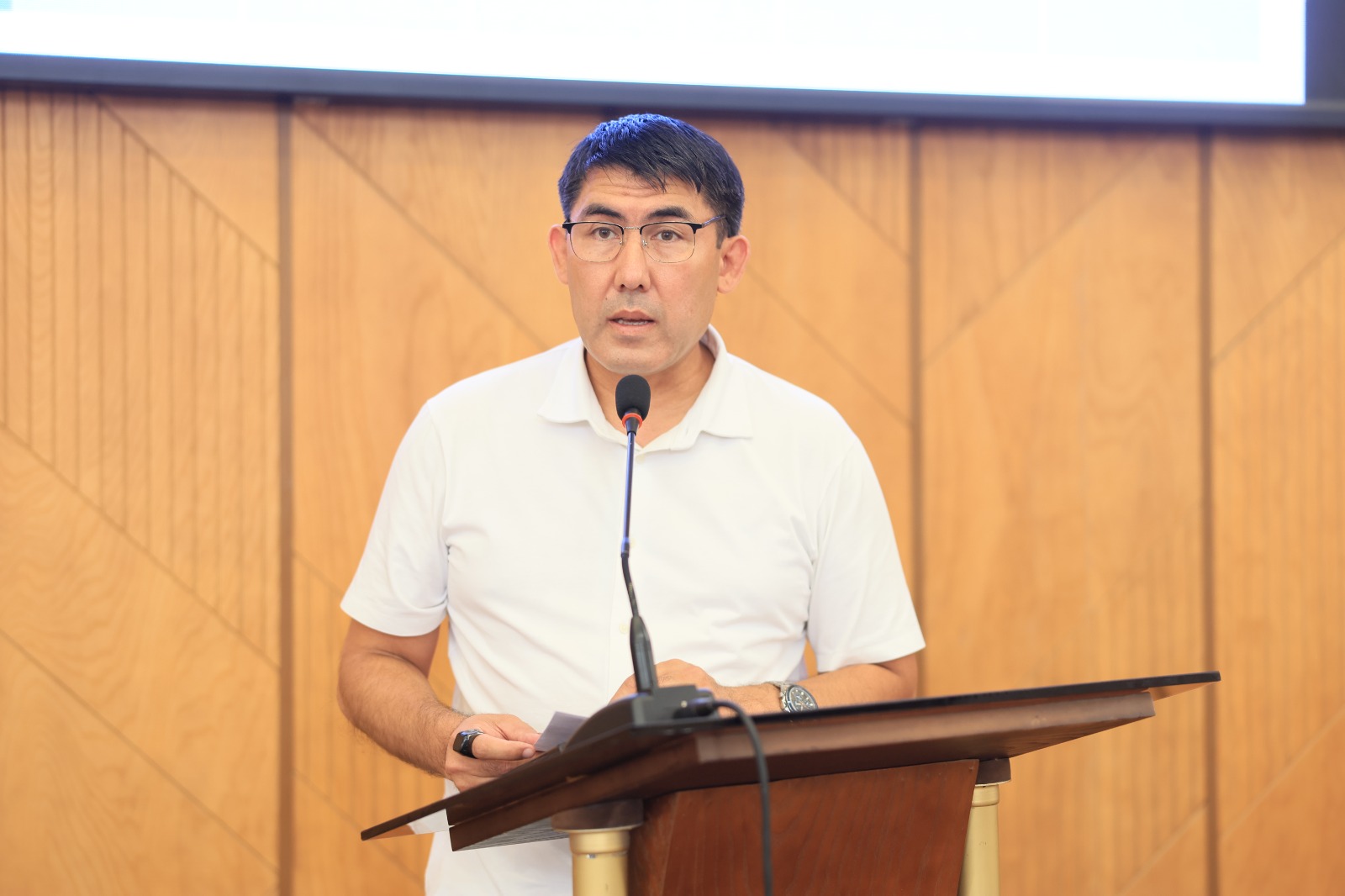
In accordance with the agenda, the first presentation was delivered by A. S. Naukenova, Director of the Department for Academic Affairs and Educational Process Quality. She reported on the application of innovative technologies and teaching methods across the university's higher schools and faculties. Her presentation covered the digitalisation of the educational process, the integration of interactive learning tools, and continuous efforts to improve the quality of education. Next, T.T. Zaurbekov, Director of the Career Guidance Center, reported on preparations for the 2026 admissions campaign, presenting strategies for student recruitment and reinforcing career guidance initiatives.
Anarkhanuly, the Director of the Youth Centre and S. K. Sagyntay, the Student Ombudsman, presented a report on the activities of the Student Council during the 2025–2026 academic year, outlining the primary objectives for advancing student self-governance. T.S. Aubakirova, Director of the Employment and Competence Center, then addressed the next agenda item by briefing the council on the progress of the 'Alumni Upgrade' program, which is being executed as part of the university's development strategy, and introduced its newly launched initiatives. A.M. Dauletov, Director of the Human Resources Development Department, then reported on the execution of the university's personnel policy. He elaborated on measures designed to strengthen workforce capacity and ensure the professional growth of staff members.
The session also covered several other important administrative and academic matters. These included updates to the composition of the Academic Council, nominations for the academic title of 'Associate Professor', recommendations for the publication of faculty monographs, textbooks and study guides, the organisation of dissertation committees and the approval of entrance examination questions and essay topics for groups in the doctoral educational program.