

News
Winter School 2026: Language and Journalism in the Era of New Media
- Hits: 442
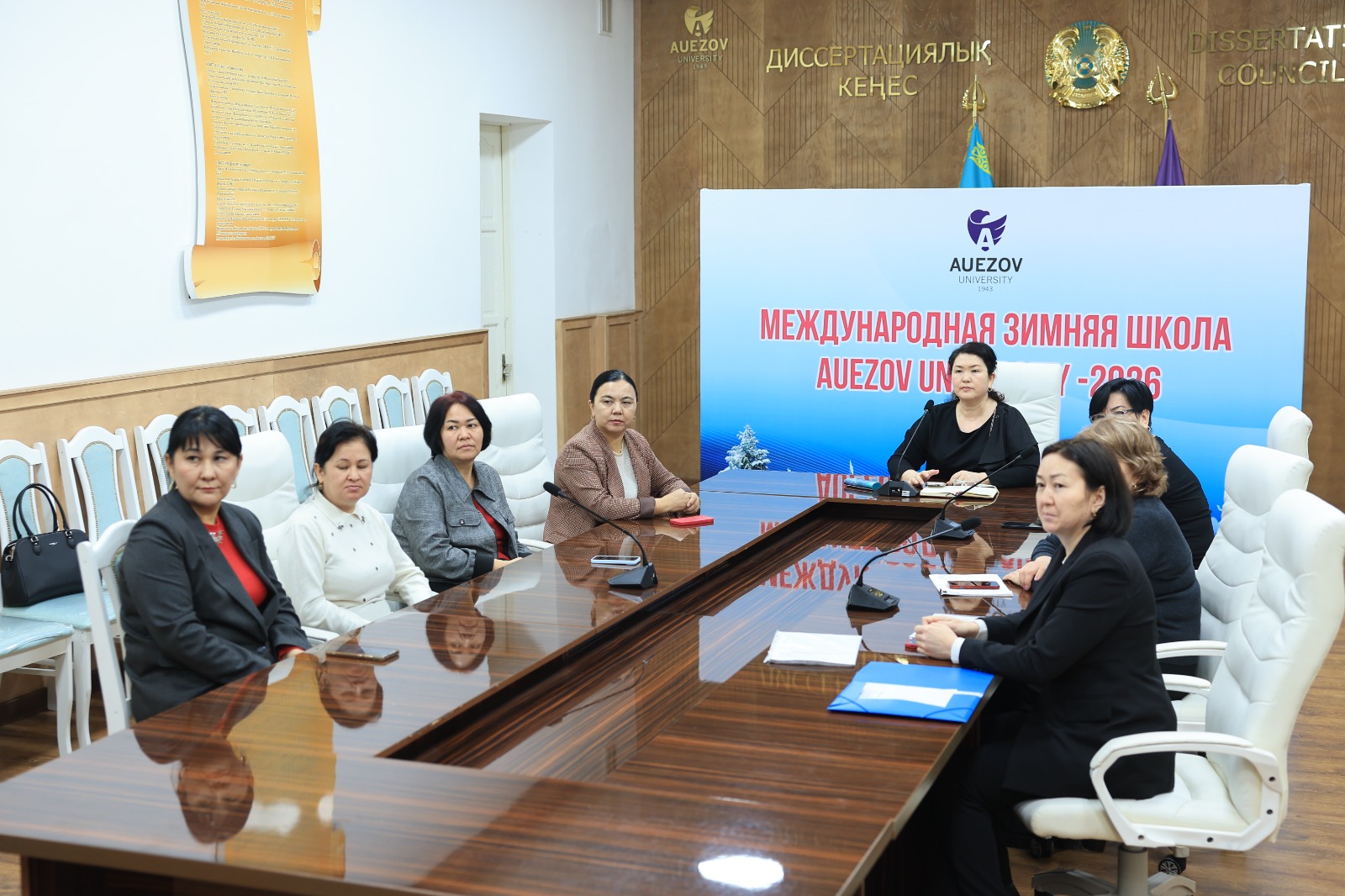
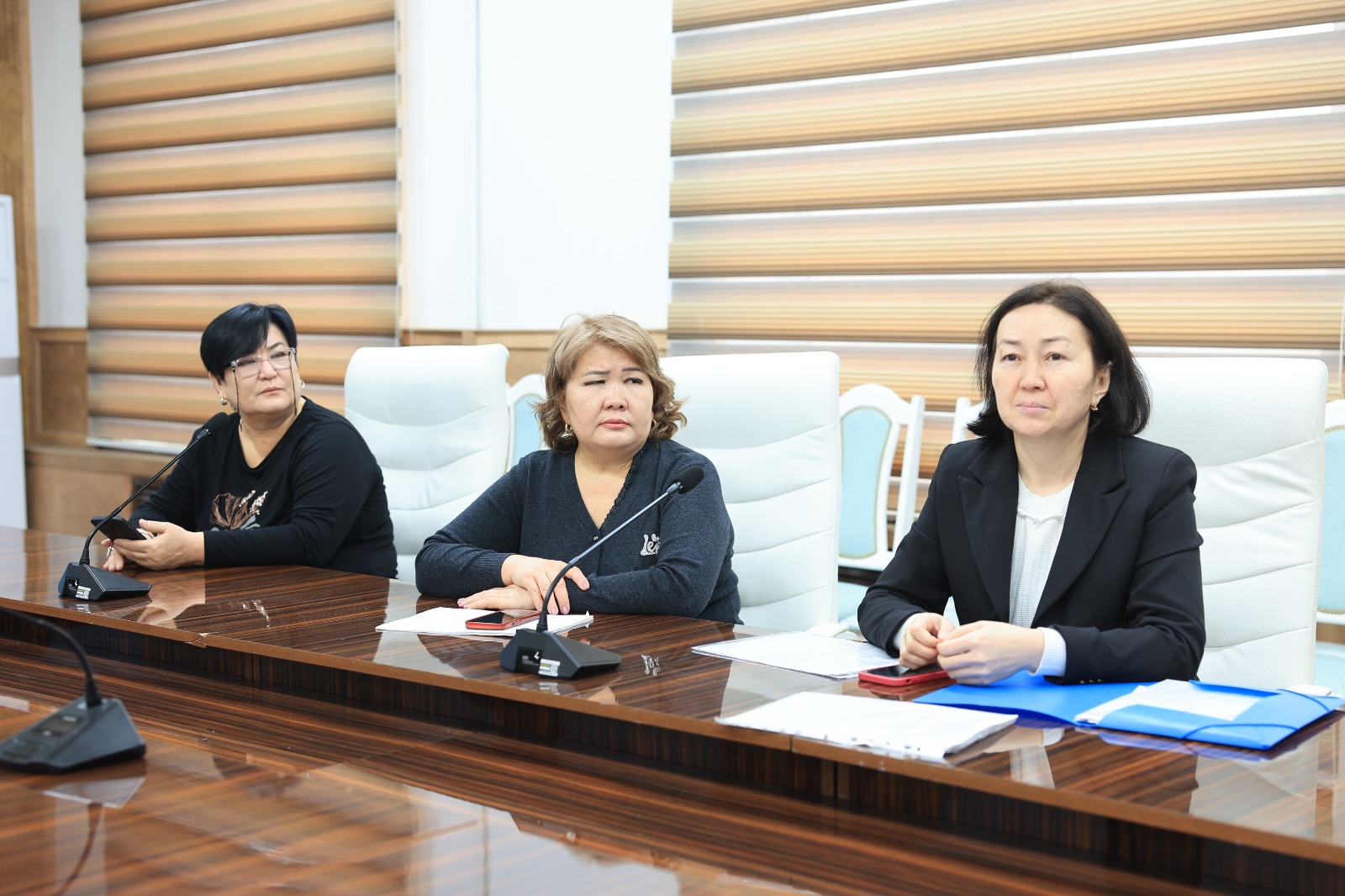
On January 5, 2026, South Kazakhstan University, named after M. Auezov, hosted the official opening of the international Winter School, themed 'Language and Journalism in the Era of New Media: Integration Processes”, organised by the Department of Journalism and the Kazakh Language.
During the event, the goals and objectives of the Winter School were presented, and the importance of this international educational initiative was emphasised. The Winter School's primary objective is to promote the professional growth of students, young researchers, and specialists, deepening their comprehension of the interplay between language and journalism within the realm of new media and cultivating contemporary research skills.
The opening ceremony featured a welcome address from Gulzira Tanabayeva, Head of the Department of Journalism and the Kazakh Language. In her address, she outlined the key focus areas of the Winter School, noting that the era of new media places fundamentally new demands on language and journalism. She highlighted that the Winter School's primary objective is to foster integrative thinking among future journalists and language specialists, preparing them to become competitive professionals capable of preserving linguistic culture in digital media. She added that this international project significantly enhances students’ academic and practical potential.
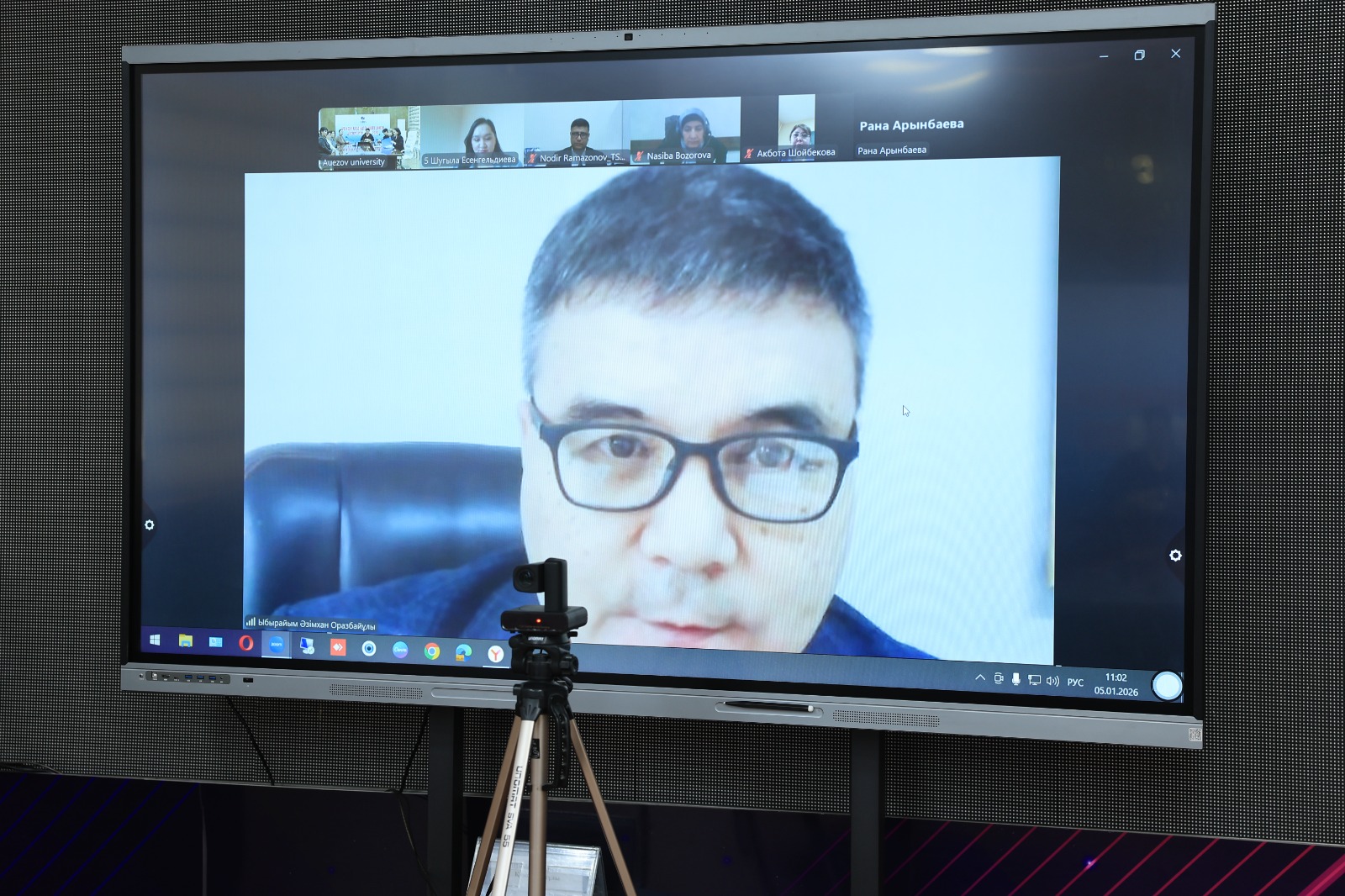
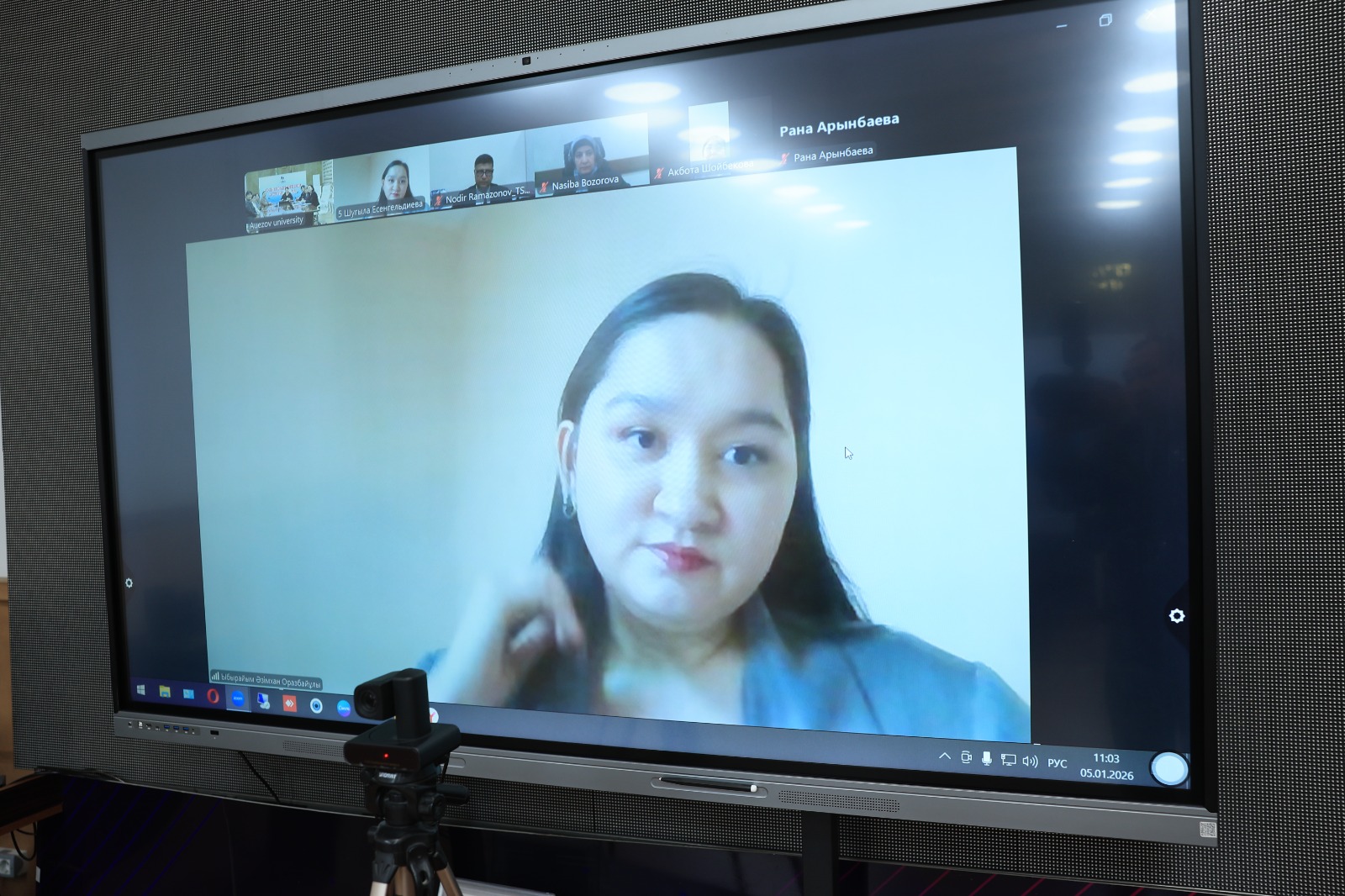
First-year journalism student Nursat Alimkul also shared his views, noting that the online interaction format with international speakers provides valuable opportunities for professional growth and enables participants to gain a better understanding of working in the new media environment.
The opening of the Winter School was an important event, bringing together students and faculty members and creating a platform for developing new media thinking and academic cooperation. Implementing this project renews the professional outlook of future journalists and language specialists, helping them to better understand the principles of working in today's media landscape.
The Winter School's lectures and practical sessions are not only aimed at knowledge acquisition, but also at developing critical thinking, media text analysis skills, and the ability to create responsible, high-quality digital content. The involvement of international scholars and experienced practitioners has greatly enriched the programme, establishing the Winter School as a key part of the university’s educational and research activities.
During the event, the goals and objectives of the Winter School were presented, and the importance of this international educational initiative was emphasised. The Winter School's primary objective is to promote the professional growth of students, young researchers, and specialists, deepening their comprehension of the interplay between language and journalism within the realm of new media and cultivating contemporary research skills.
The opening ceremony featured a welcome address from Gulzira Tanabayeva, Head of the Department of Journalism and the Kazakh Language. In her address, she outlined the key focus areas of the Winter School, noting that the era of new media places fundamentally new demands on language and journalism. She highlighted that the Winter School's primary objective is to foster integrative thinking among future journalists and language specialists, preparing them to become competitive professionals capable of preserving linguistic culture in digital media. She added that this international project significantly enhances students’ academic and practical potential.
First-year journalism student Nursat Alimkul also shared his views, noting that the online interaction format with international speakers provides valuable opportunities for professional growth and enables participants to gain a better understanding of working in the new media environment.
The opening of the Winter School was an important event, bringing together students and faculty members and creating a platform for developing new media thinking and academic cooperation. Implementing this project renews the professional outlook of future journalists and language specialists, helping them to better understand the principles of working in today's media landscape.
The Winter School's lectures and practical sessions are not only aimed at knowledge acquisition, but also at developing critical thinking, media text analysis skills, and the ability to create responsible, high-quality digital content. The involvement of international scholars and experienced practitioners has greatly enriched the programme, establishing the Winter School as a key part of the university’s educational and research activities.
Found a typo? Please select it and press Ctrl + Enter.