

News
AI-Driven Transformation Begins at Auezov University
- Hits: 367
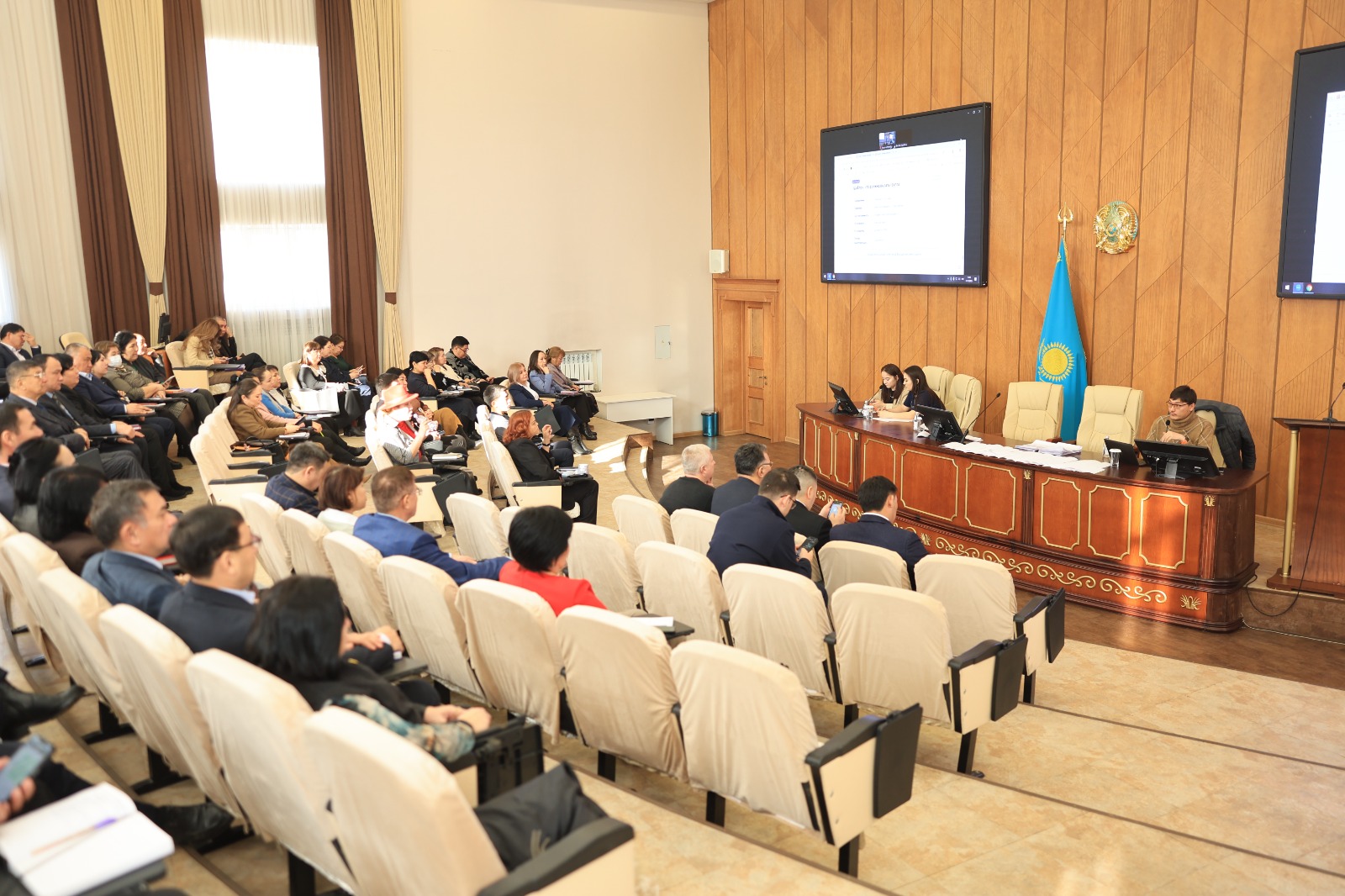
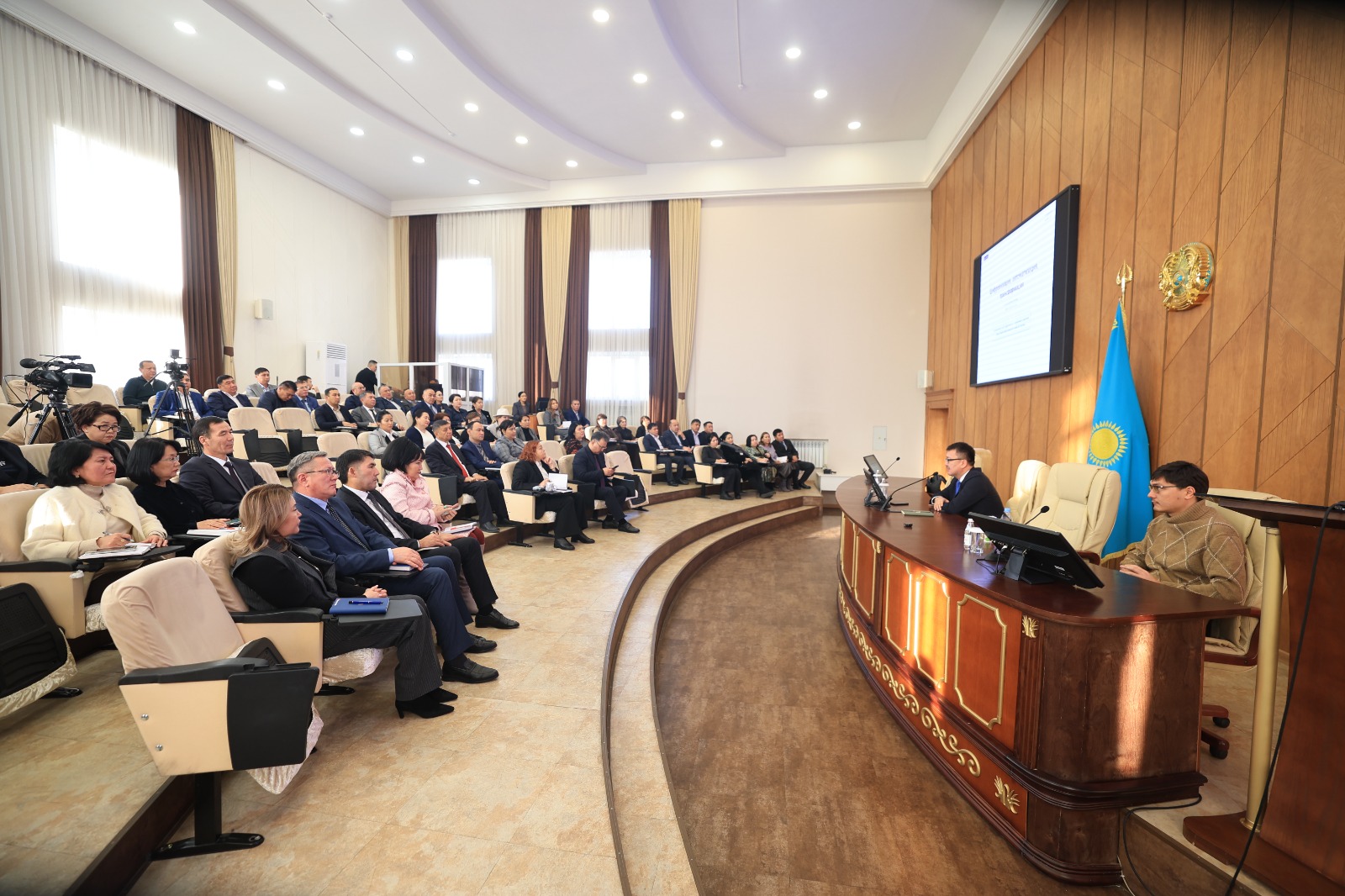
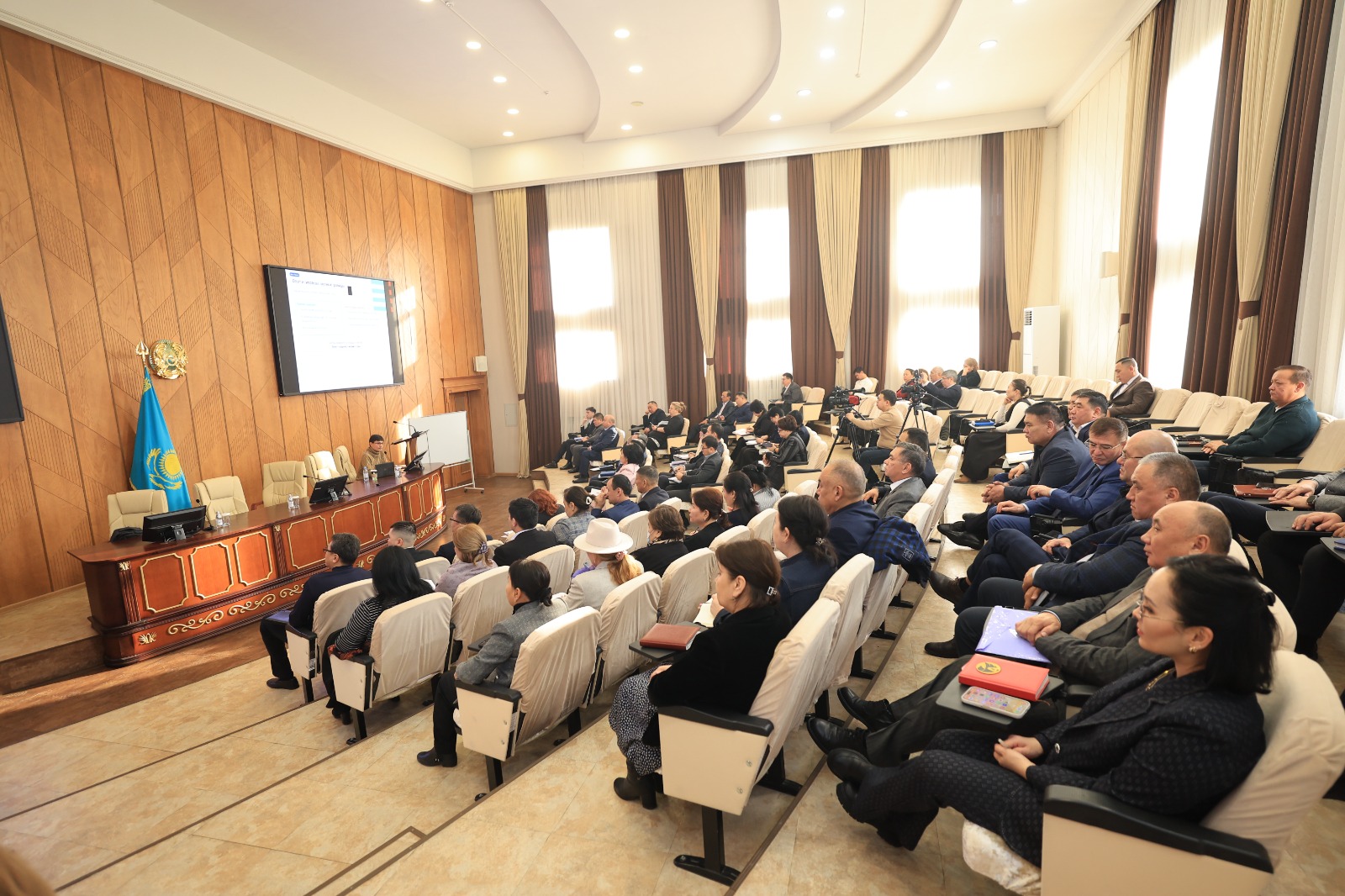
M. Auezov South Kazakhstan University has launched a series of new initiatives aimed at integrating artificial intelligence into the educational process and scientific research. As part of this initiative, a two-day strategic session titled “Managing Digitalization and a Systemic Approach to Changes” was held.
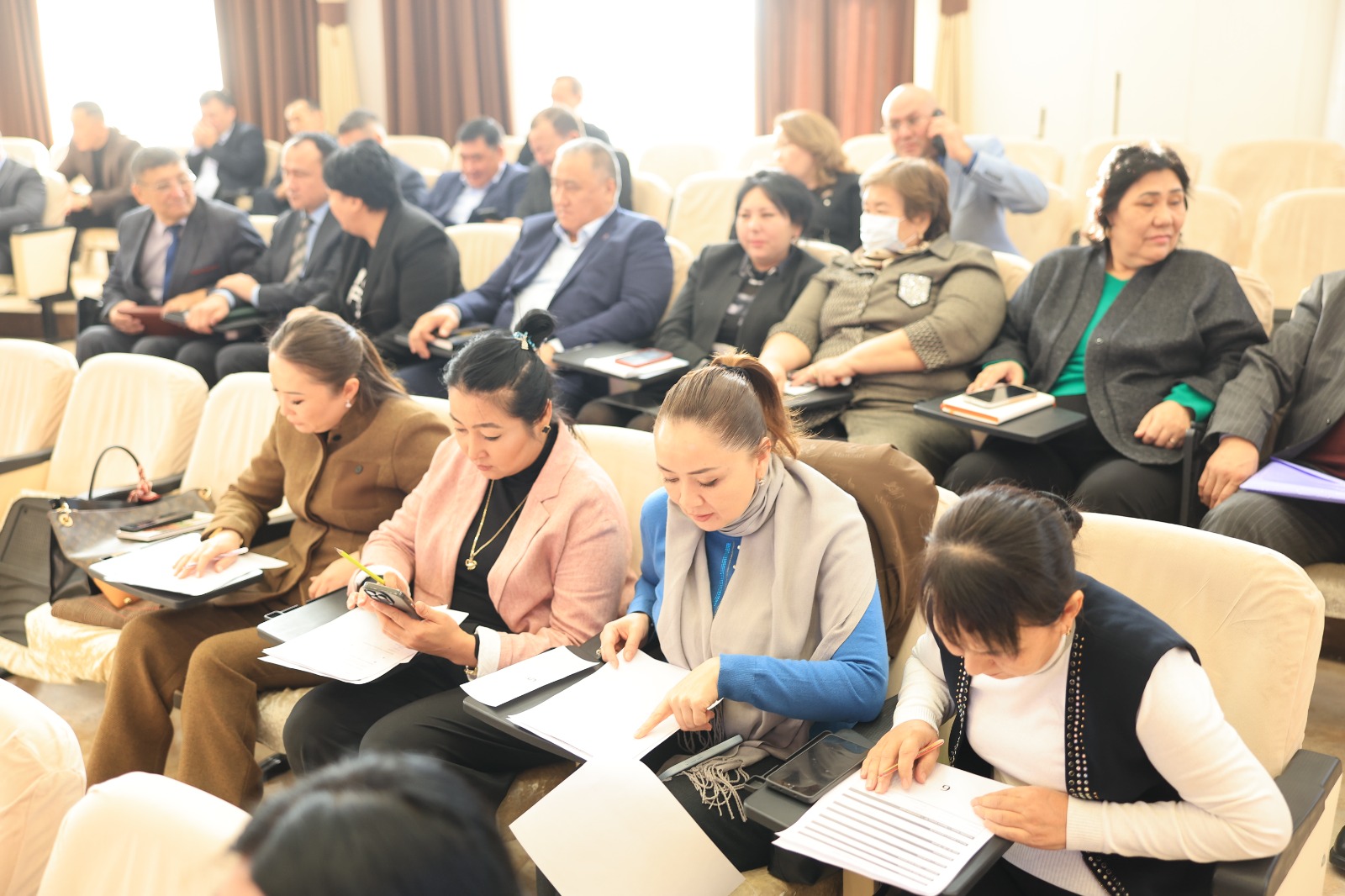
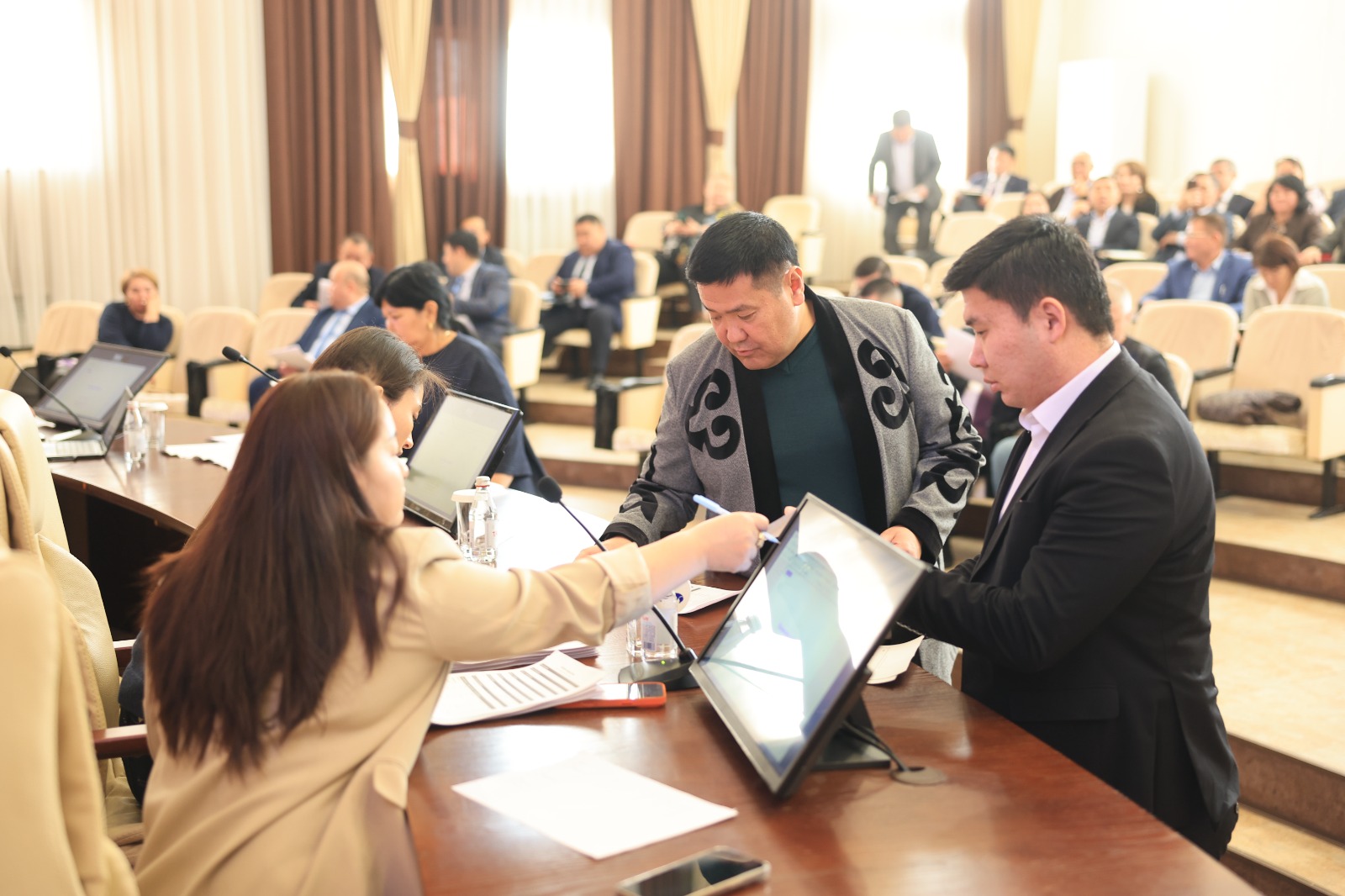
The event brought together the university’s senior leadership team, including the deans of faculties and higher schools and the heads of structural divisions. Participants broadened their knowledge of the AI-first principle and learnt about the role of universities in the digital age.
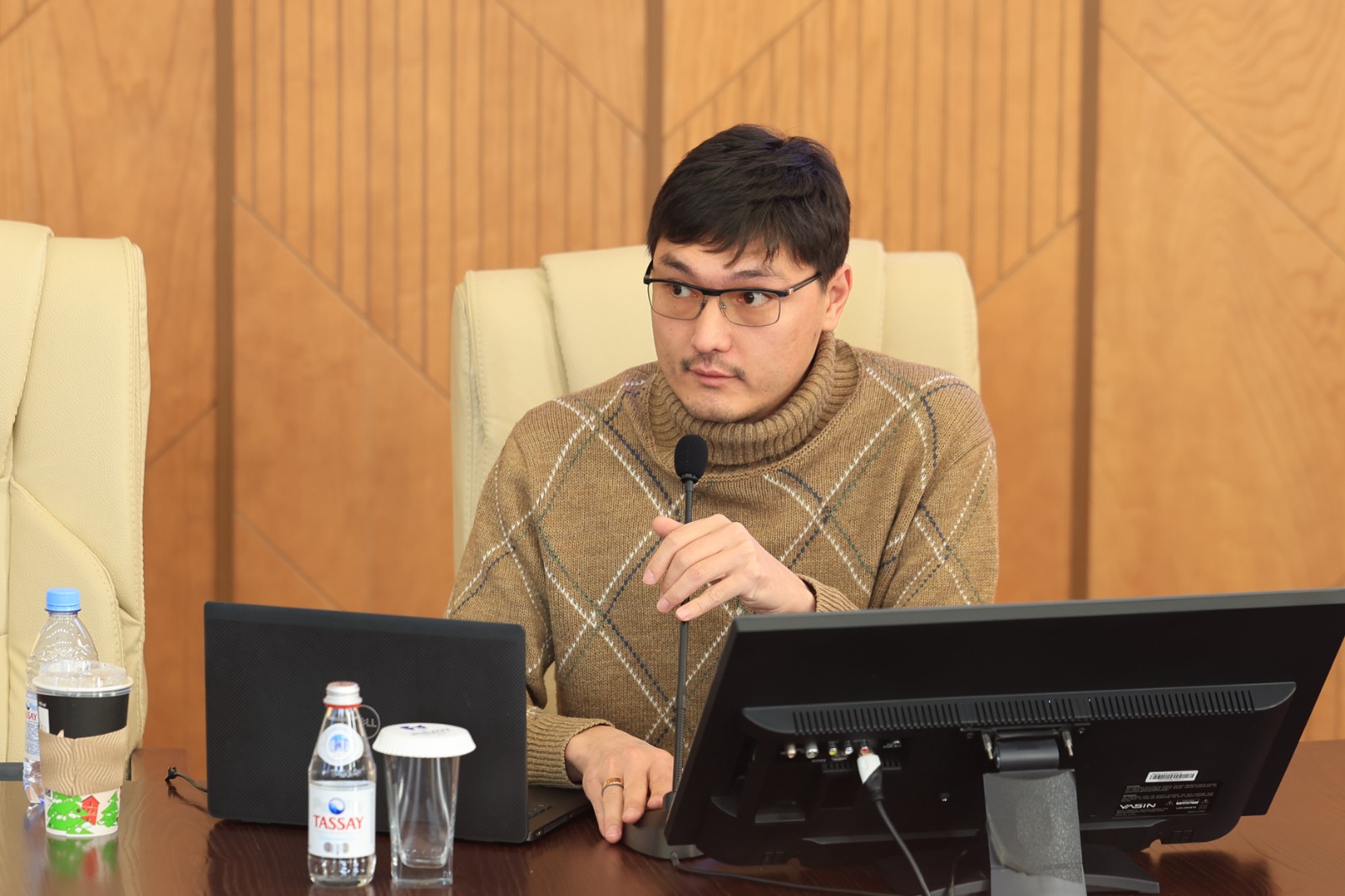
The session was led by Sanzhar Aubakirov, a recognized expert in artificial intelligence and digital transformation in Kazakhstan, PhD, and Director of Innovation at Innoforce.
University Rector Darkhan Akhmed-Zaki emphasized that this initiative is being implemented in accordance with the Address of the President of the Republic of Kazakhstan, Kassym-Jomart Tokayev, titled “Kazakhstan in the Era of Artificial Intelligence: Current Challenges and Solutions through Digital Transformation.”
“In his Address, the President outlined specific tasks and proposals for introducing artificial intelligence into the educational process of higher educational institutions. In this context, during working visits to the United States and China, we studied the best practices of leading universities worldwide. In particular, we examined models of cooperation between universities and companies such as OpenAI, Anthropic, and Google, as well as the experience of Arizona State University, Northwestern University, Peking University, Fudan University, and Tsinghua University in applying AI-first and human-centric approaches in their internal processes. Today, tangible measures are being taken to transform Auezov University through artificial intelligence. This strategic session marks the beginning of this extensive project,” said Darkhan Akhmed-Zaki.
On the first day of the session, Sanzhar Aubakirov outlined key approaches to digitalisation, automation and transformation, addressing current challenges in managerial decision-making and offering practical solutions. The second day involved participants discussing the role of universities in the digital age, the criteria for development initiatives and the responsibilities of university leadership in the transformation process. Group work and open discussions provided participants with valuable insights into the future of higher education.
To support the broad implementation of artificial intelligence at Auezov University, several joint projects have also been launched in partnership with the Republican Public Association “Society for the Development of Artificial Intelligence in Education.” The primary goal is to enhance AI literacy among the population of Kazakhstan and to advance education and science through AI technologies.
These projects provide support for the adaptation and implementation of artificial intelligence systems at the university, as well as for improving the qualifications of students and faculty members. Measures are also being considered to enhance education at all levels and strengthen its integration with scientific research.
The event brought together the university’s senior leadership team, including the deans of faculties and higher schools and the heads of structural divisions. Participants broadened their knowledge of the AI-first principle and learnt about the role of universities in the digital age.
The session was led by Sanzhar Aubakirov, a recognized expert in artificial intelligence and digital transformation in Kazakhstan, PhD, and Director of Innovation at Innoforce.
University Rector Darkhan Akhmed-Zaki emphasized that this initiative is being implemented in accordance with the Address of the President of the Republic of Kazakhstan, Kassym-Jomart Tokayev, titled “Kazakhstan in the Era of Artificial Intelligence: Current Challenges and Solutions through Digital Transformation.”
“In his Address, the President outlined specific tasks and proposals for introducing artificial intelligence into the educational process of higher educational institutions. In this context, during working visits to the United States and China, we studied the best practices of leading universities worldwide. In particular, we examined models of cooperation between universities and companies such as OpenAI, Anthropic, and Google, as well as the experience of Arizona State University, Northwestern University, Peking University, Fudan University, and Tsinghua University in applying AI-first and human-centric approaches in their internal processes. Today, tangible measures are being taken to transform Auezov University through artificial intelligence. This strategic session marks the beginning of this extensive project,” said Darkhan Akhmed-Zaki.
On the first day of the session, Sanzhar Aubakirov outlined key approaches to digitalisation, automation and transformation, addressing current challenges in managerial decision-making and offering practical solutions. The second day involved participants discussing the role of universities in the digital age, the criteria for development initiatives and the responsibilities of university leadership in the transformation process. Group work and open discussions provided participants with valuable insights into the future of higher education.
To support the broad implementation of artificial intelligence at Auezov University, several joint projects have also been launched in partnership with the Republican Public Association “Society for the Development of Artificial Intelligence in Education.” The primary goal is to enhance AI literacy among the population of Kazakhstan and to advance education and science through AI technologies.
These projects provide support for the adaptation and implementation of artificial intelligence systems at the university, as well as for improving the qualifications of students and faculty members. Measures are also being considered to enhance education at all levels and strengthen its integration with scientific research.


Found a typo? Please select it and press Ctrl + Enter.