
News
Leading Experts Arrived at Auezov University
- Hits: 127
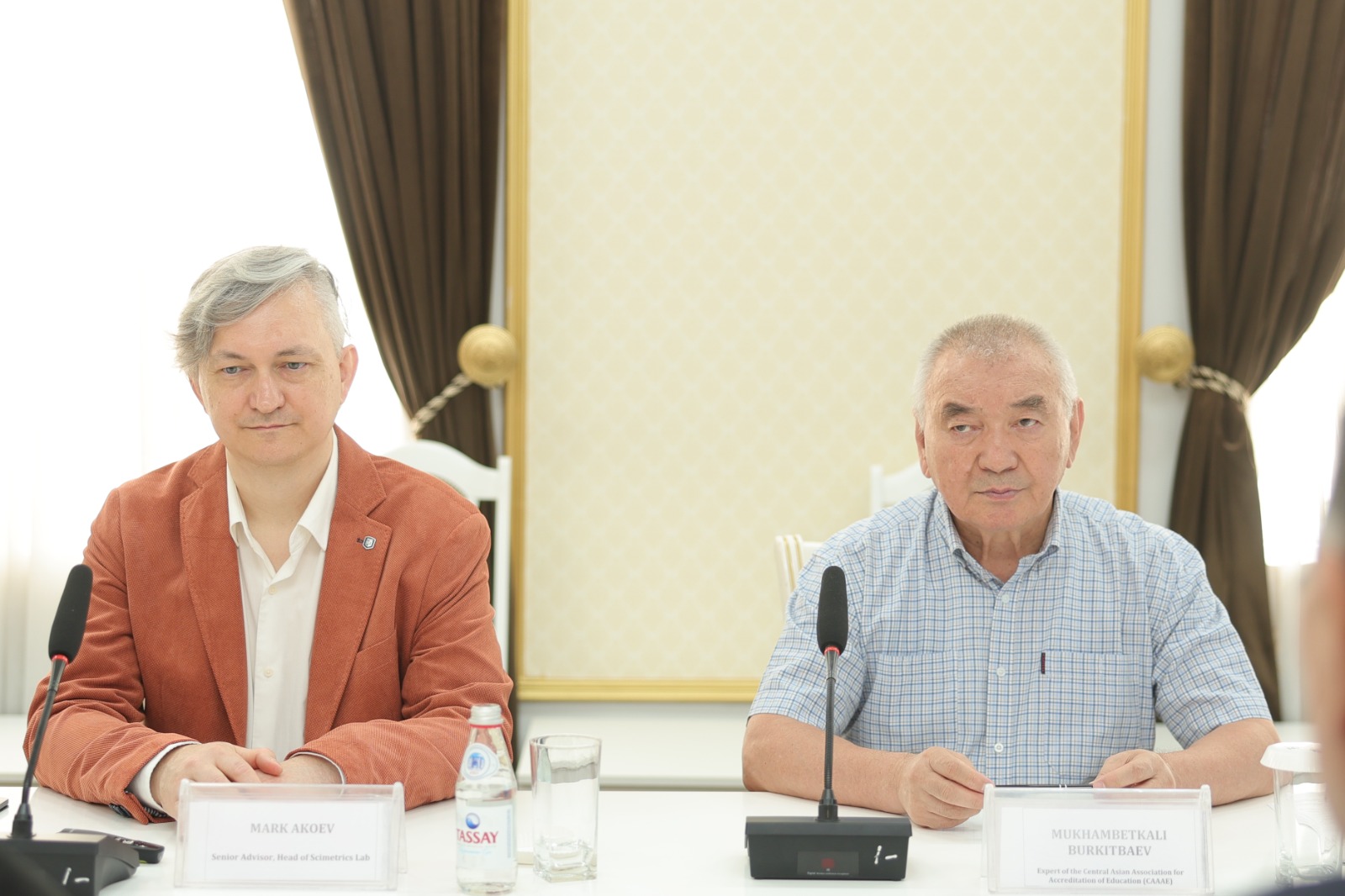
Today, Muhambetkali Myrzabayevich Burkitbayev, an expert from the Central Asian Association for Accreditation of Education (CAAAE) and Chairman of the Board of Directors at M. Auezov SKU, and Mark Anatolyevich Akoev, a consultant specialising in the organisation and management of scientific and educational processes, arrived at our university.
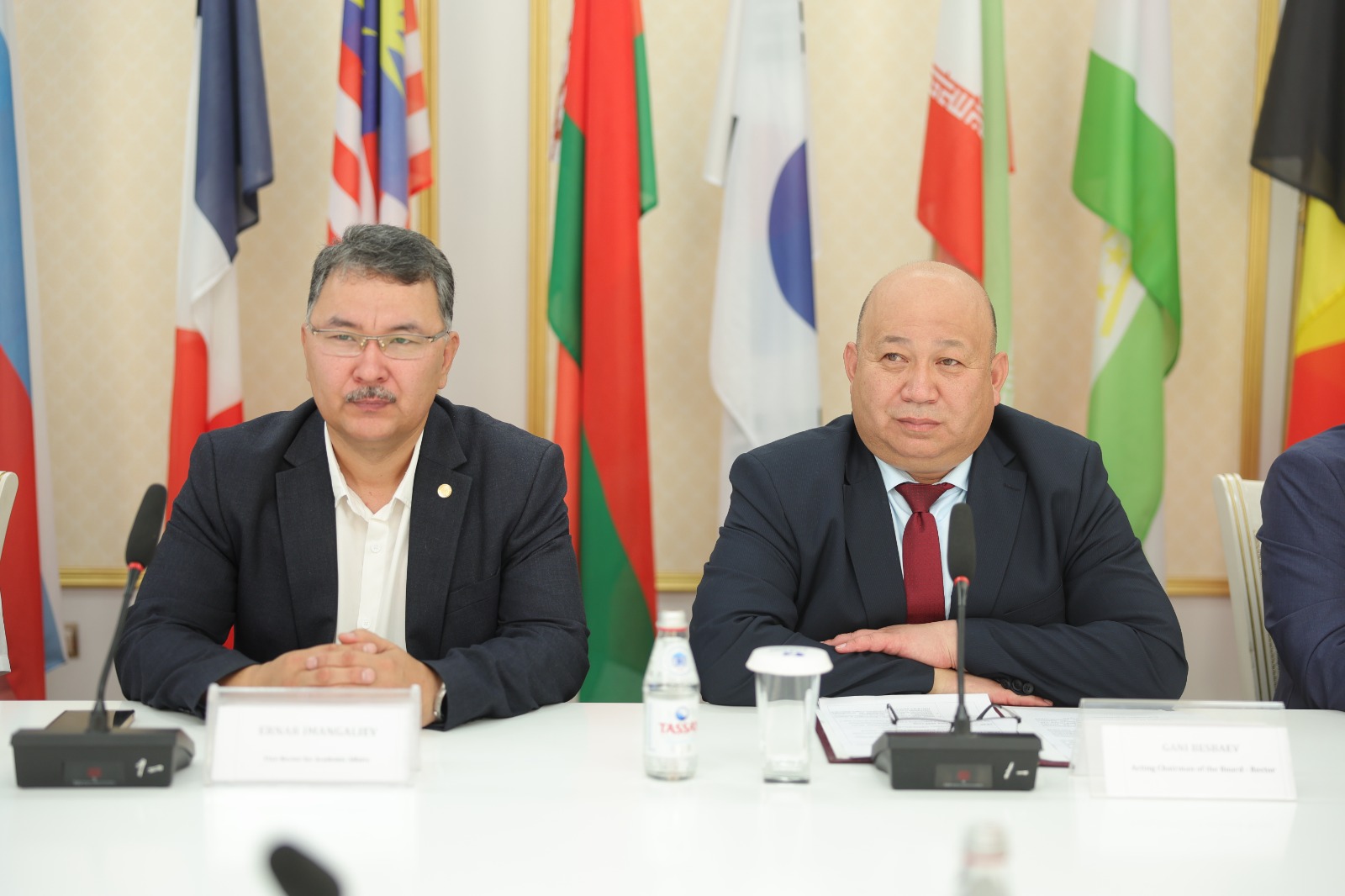
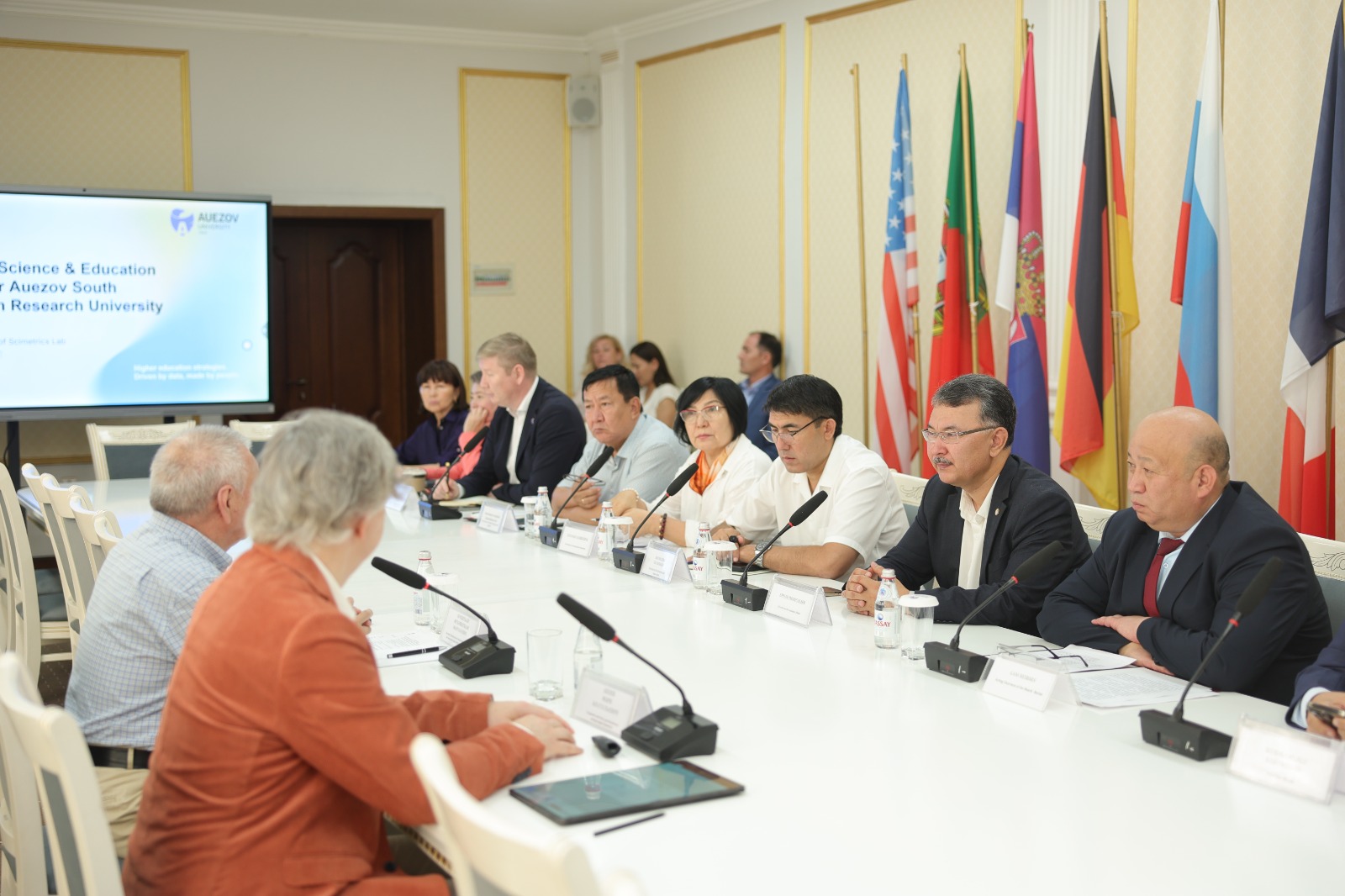
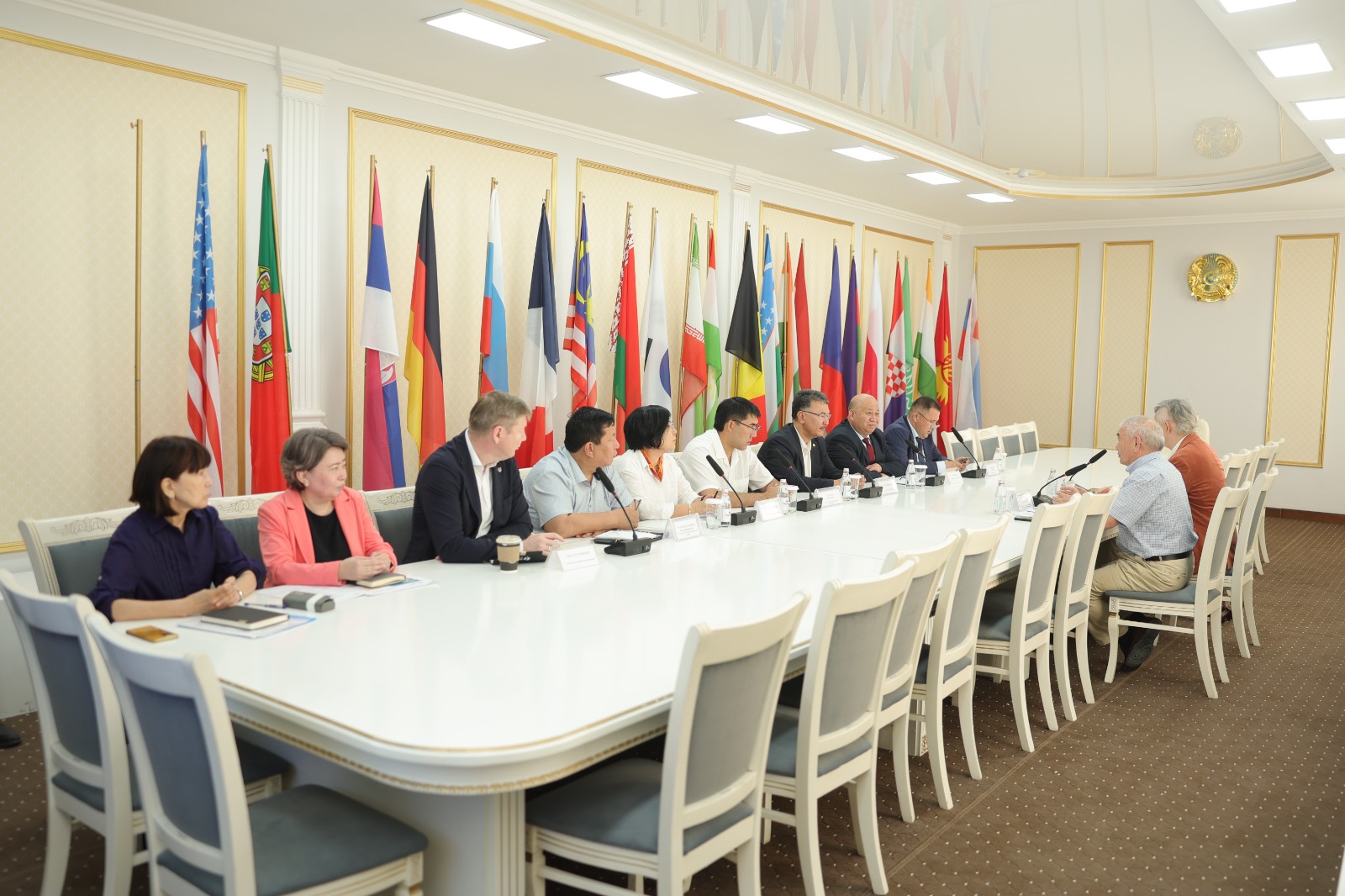
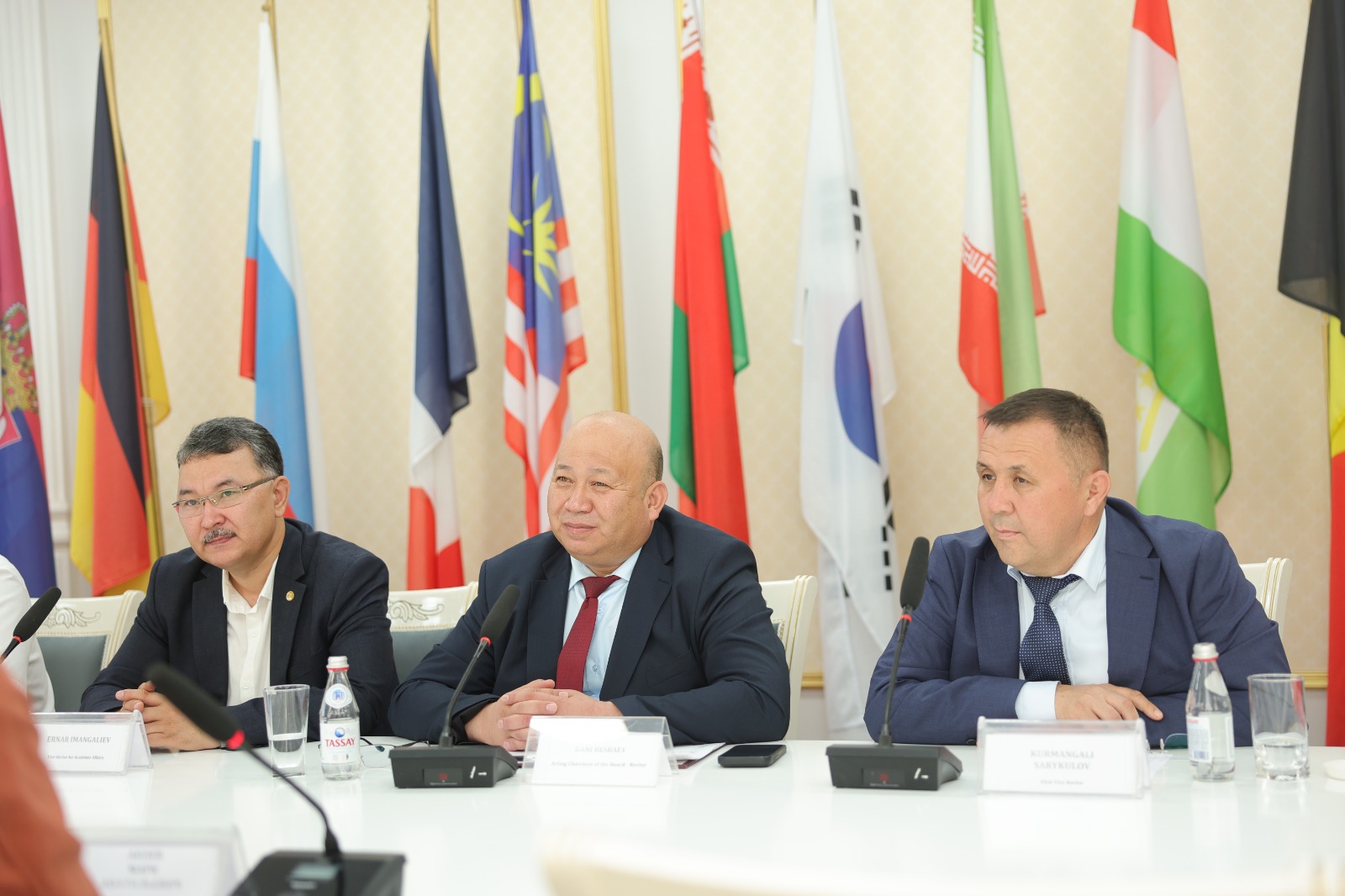
First, the experts met with the university leadership. The Acting Chairman of the Board and Rector, Gani Besbayev, thanked the guests, noting that their visit provided an excellent opportunity to exchange experience, discuss new initiatives and determine common goals. He also mentioned that strengthening the university's position in the QS international rankings is one of the strategic priorities.
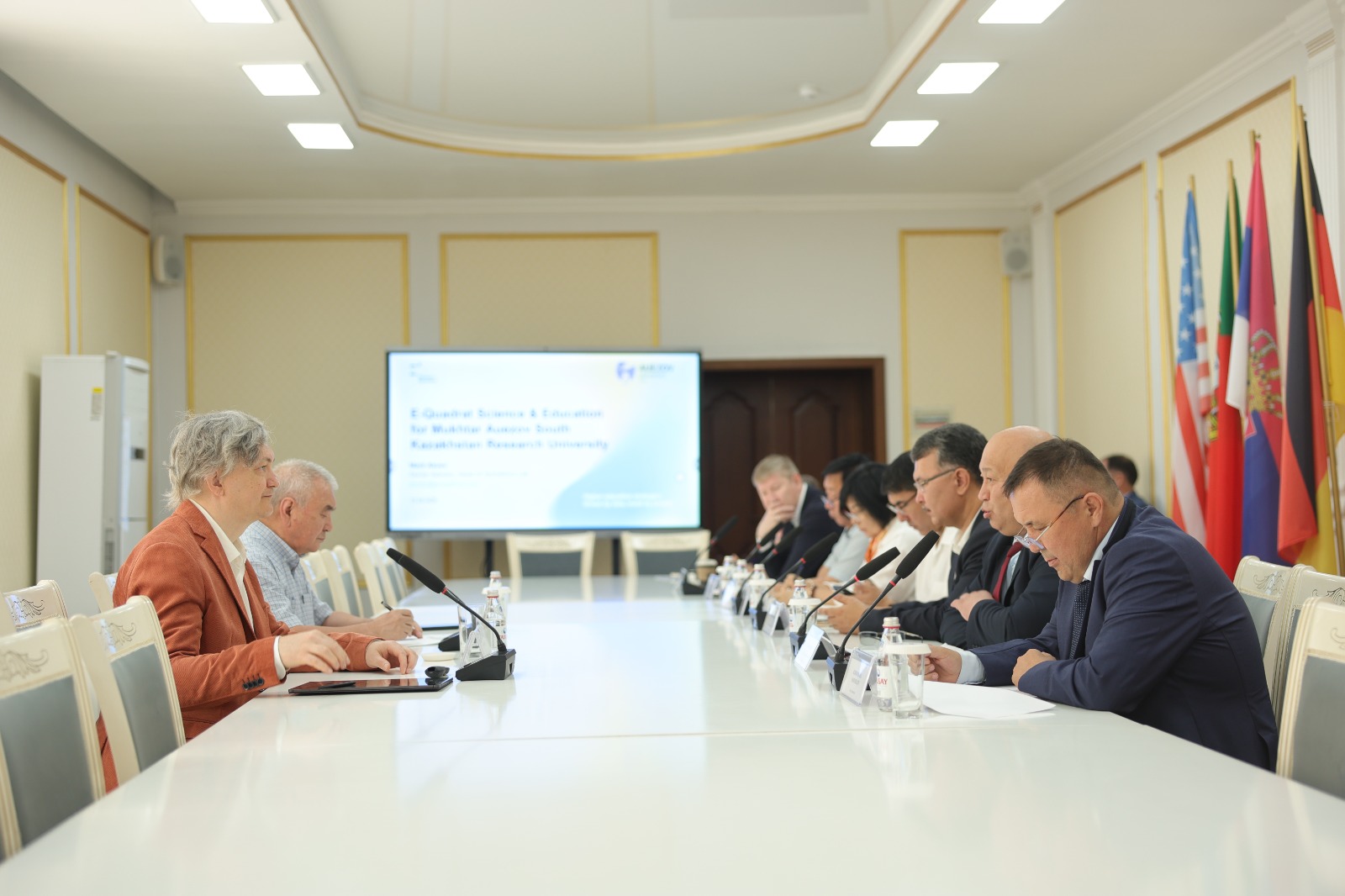
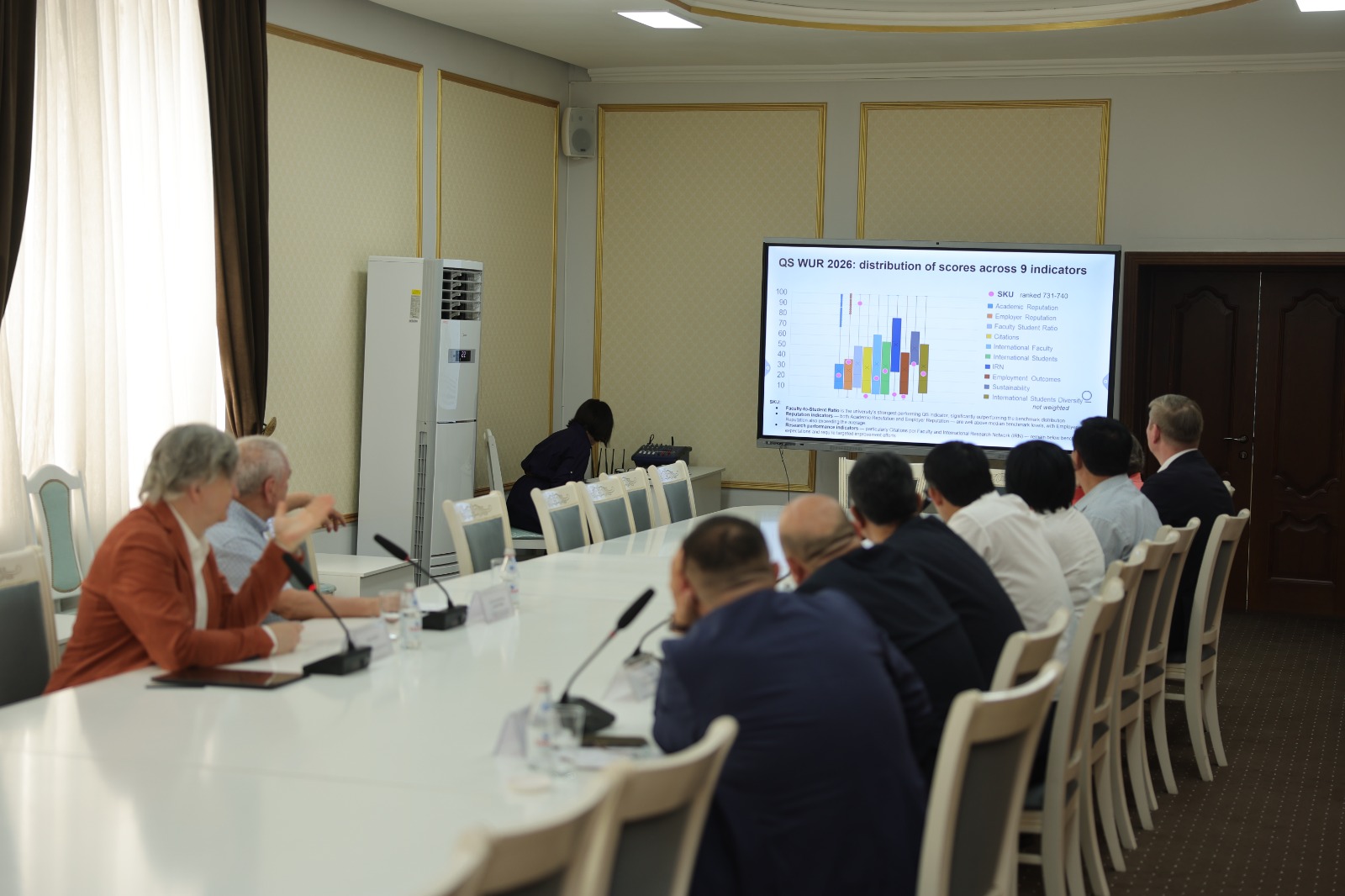
CAAAE expert M. Burkitbayev shared his ideas on how to improve preparation for the QS rankings, and consultant M. Akoev presented a report titled "QS World University Rankings: Breaking Through from the TOP-700 Higher". In his presentation, he discussed the use of Auezov University's engineering departments to establish permanent consortia with foreign scientists, optimise publication costs and boost the number of articles published by researchers.
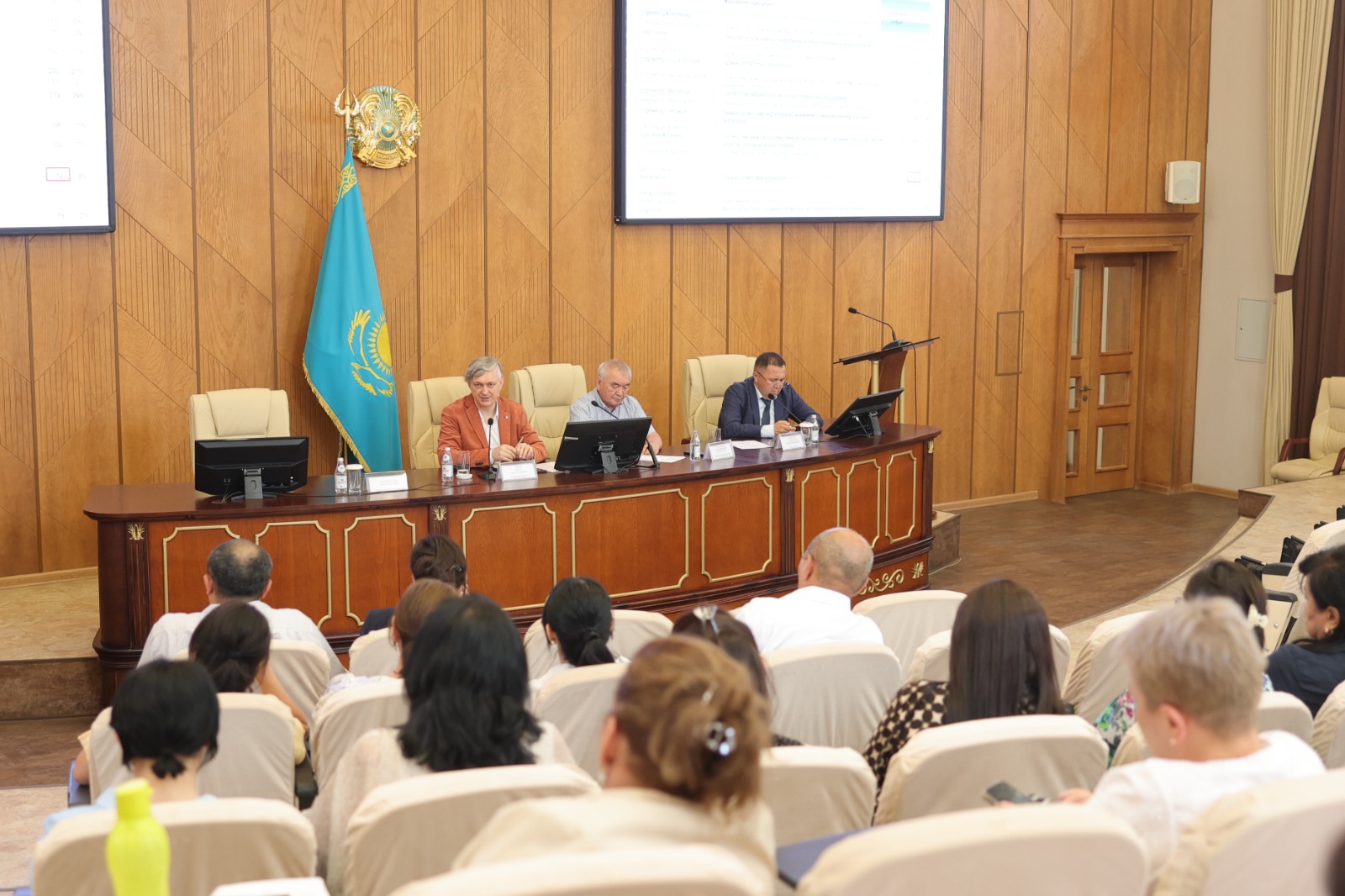
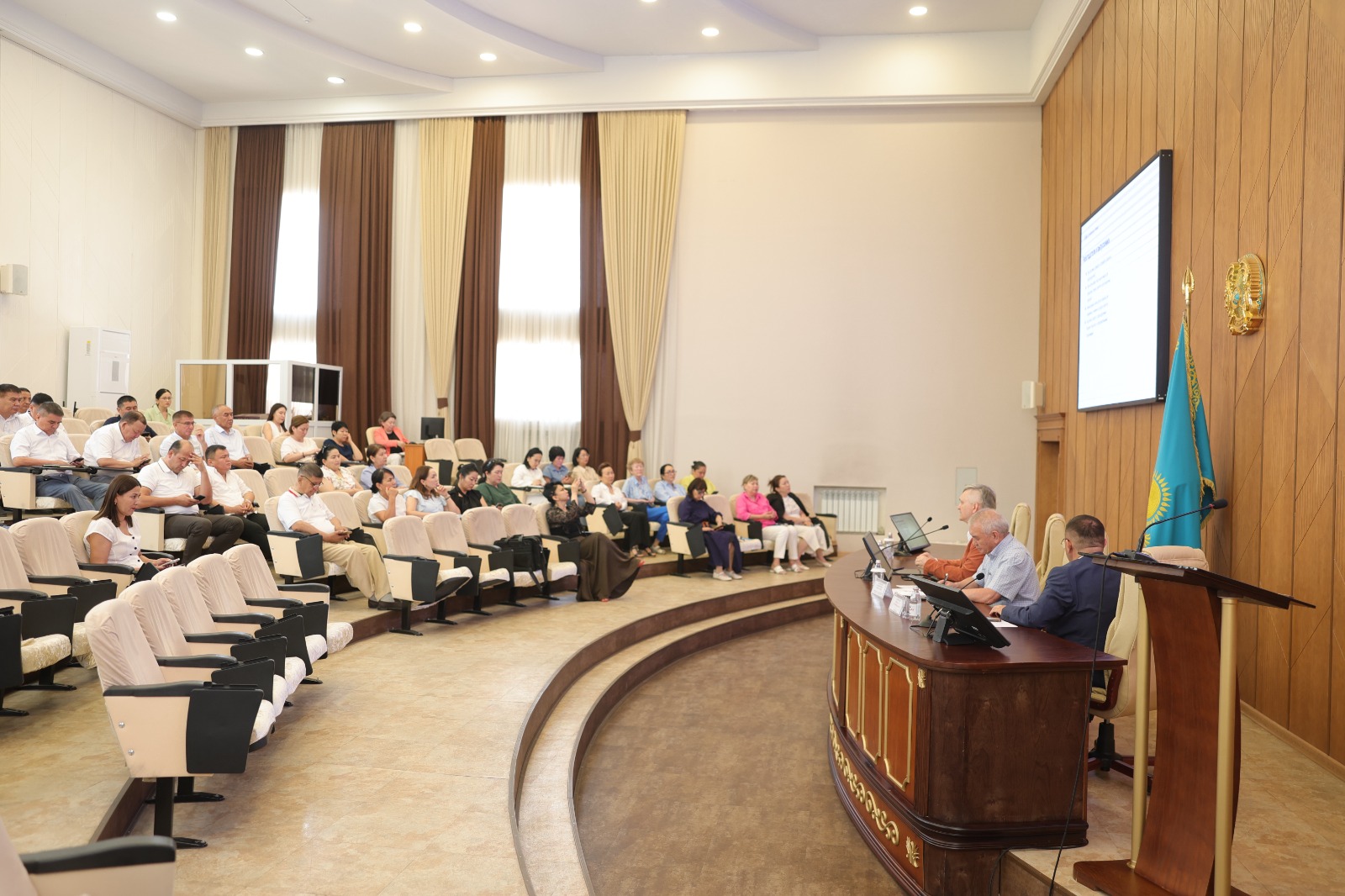
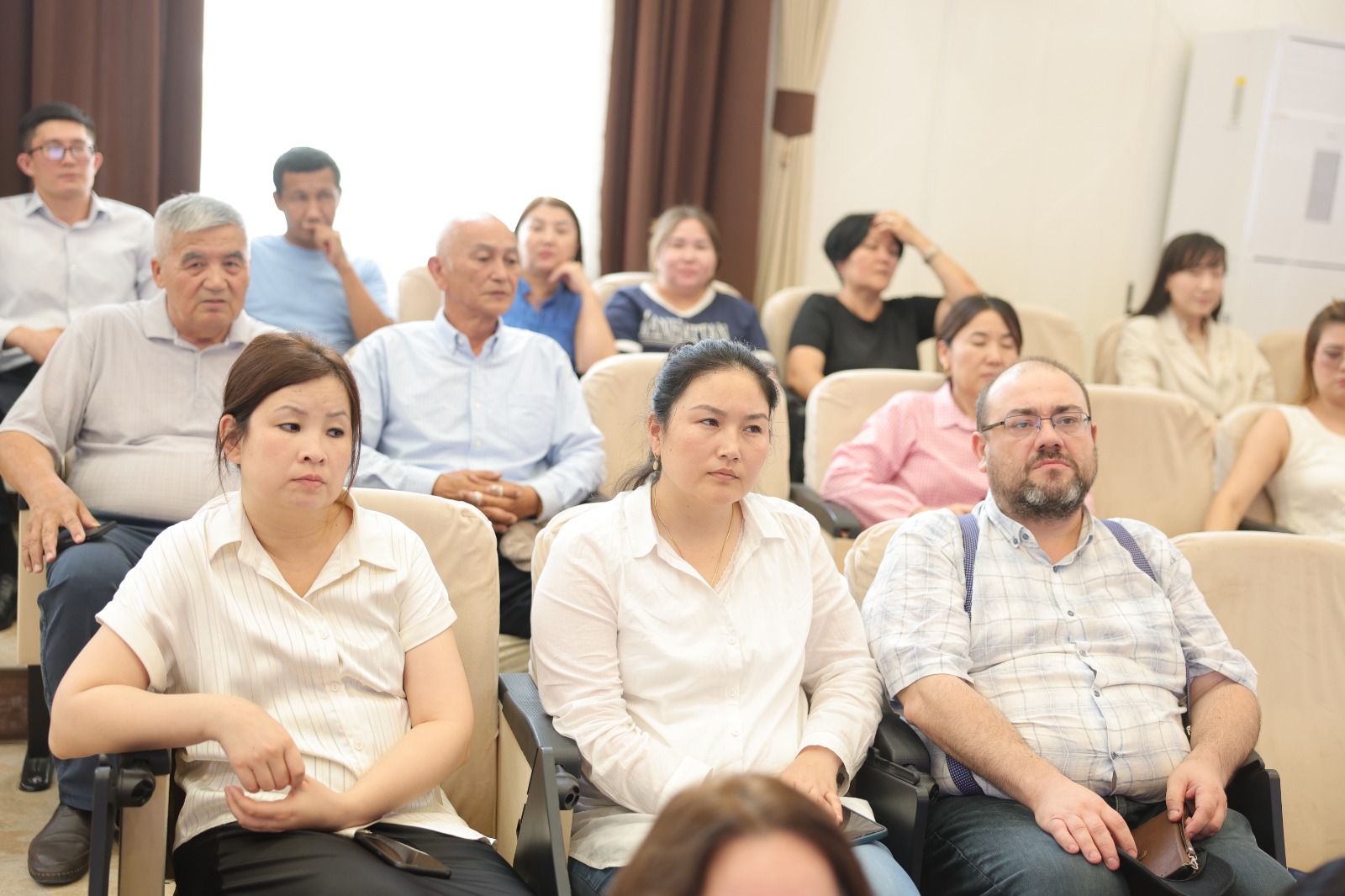
Following the meeting with the leadership team, the experts met with representatives of the Higher Schools, deans of faculties and heads of structural divisions.
During this meeting, the experts presented key recommendations designed to raise the university's international profile, enhance the quality of its scientific publications and bolster its position in global rankings.
The meeting focused on creating a database of employer contacts at faculty level, enhancing systematic work with alumni and developing mechanisms to track their professional achievements. They also addressed ways to increase citation indicators for the university's scientific papers, guide researchers towards publishing in high-ranked Q1–Q2 journals and prioritise the placement of high-quality articles in the Web of Science Core Collection and Scopus databases.