
6B05320 Chemistry
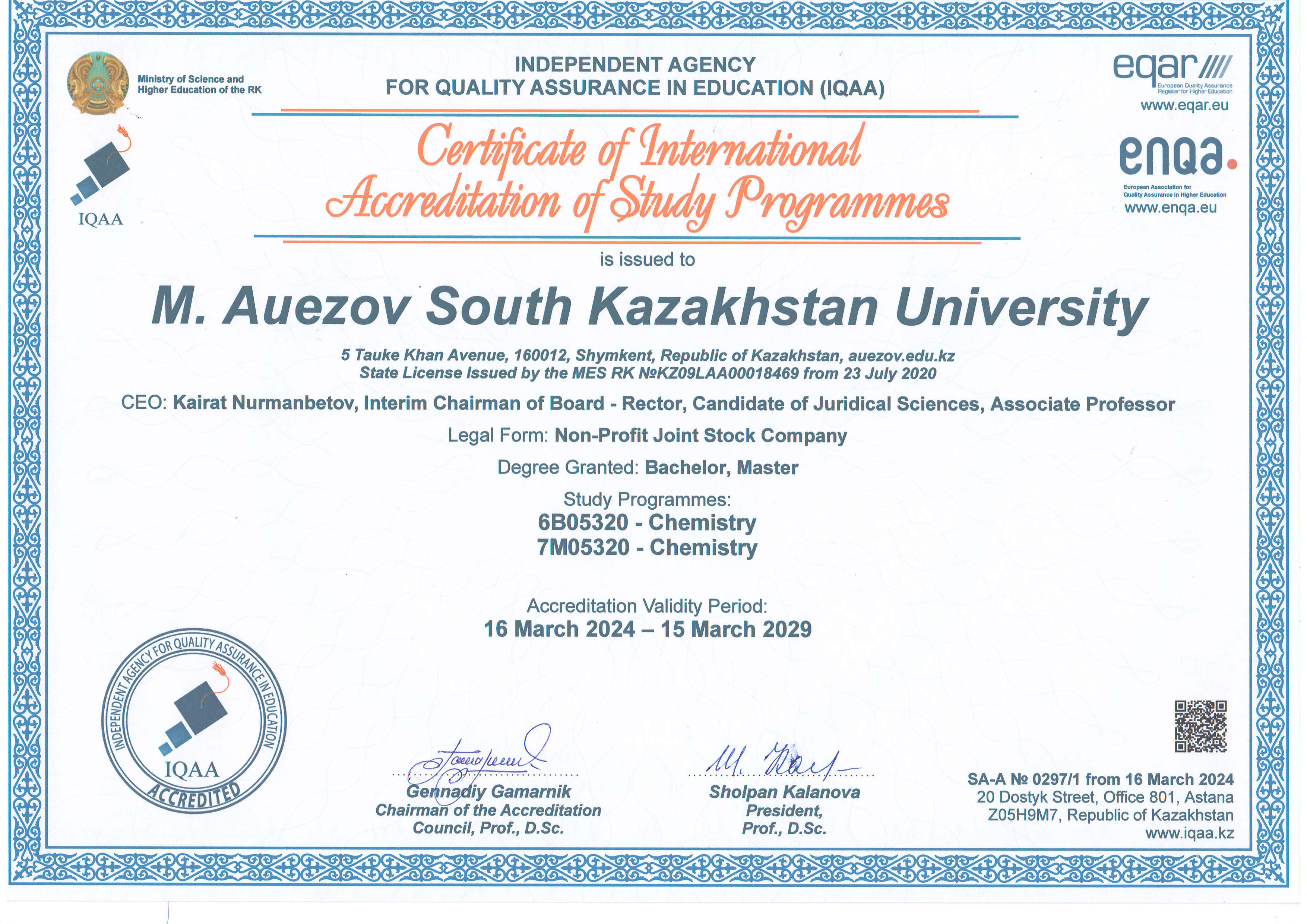
PASSPORT OF THE EDUCATIONAL PROGRAM
|
Name of the educational program |
6В05320 - «Chemistry» |
|
Code and classification of the field of education |
6B05 - Natural sciences, mathematics and statistics |
|
Code and classification of training areas |
6B053 - Physical and chemical sciences |
|
Group of educational programs |
В053 - Chemistry |
|
Language of instruction |
Kazakh, Russian |
|
The complexity of the educational program, not less |
240 credits |
|
Distinctive features of the educational program |
- |
|
Partner University |
- |
|
Purpose of the EP
|
Training of competitive graduates of a new formation with skills and competencies in the field of chemical, environmental and forensic expertise for the implementation of scientific, professional and practical activities |
|
Name of the degree awarded |
After successful completion of this educational program, the graduate is awarded the degree: “Bachelor Science in the educational program "6B05320-Chemistry” |
|
Field of professional activity |
- area of education;
- the spheres of the chemical, pharmaceutical, food, petrochemical, metallurgical industries; - research area; - ecology and environmental protection; |
|
Learning out comes |
LО1 Demonstrate social, natural science, socio-economic and environmental knowledge and methods of scientific and experimental research in personal and professional activities; LО2 Communicate freely in a professional environment and society in Kazakh, Russian and English, possessing ideological, civil, spiritual responsibility, academic honesty and decency; LО3 Analyze and process the results of the analysis of products of various industries and the environment to formulate conclusions and conclusions; LО4 Demonstrate the ability to determine the conditions and parameters of research, including forensic studies of special chemicals, to establish the chemical composition, nature and properties of various substances using experimental data processing methods. LО5 Determine the chemical composition, nature and properties of various substances and materials on the basis of theoretical knowledge of fundamental chemistry, using elements of artificial intelligence;; LО6 Demonstrate the ability to conduct chemical and technical analysis of raw materials and the quality of finished products; LО7 Demonstrate the ability to synthesise new compounds and products using artificial intelligence and theoretical and experimental research methods; LО8 Demonstrate social, natural science, socio-economic and environmental knowledge and methods of scientific and experimental research in personal and professional activities; LO9 Demonstrate the ability to carry out the synthesis of new compounds and products using theoretical and experimental research methods; LO10 Demonstrate digital and computational literacy by using digital technologies to search and store information; LО11 Demonstrate the ability to determine the conditions and parameters of research using experimental data processing methods; LO12 Work effectively individually and in a team, including in an inclusive environment, demonstrating the ability to be independent through self-education and self-education. |
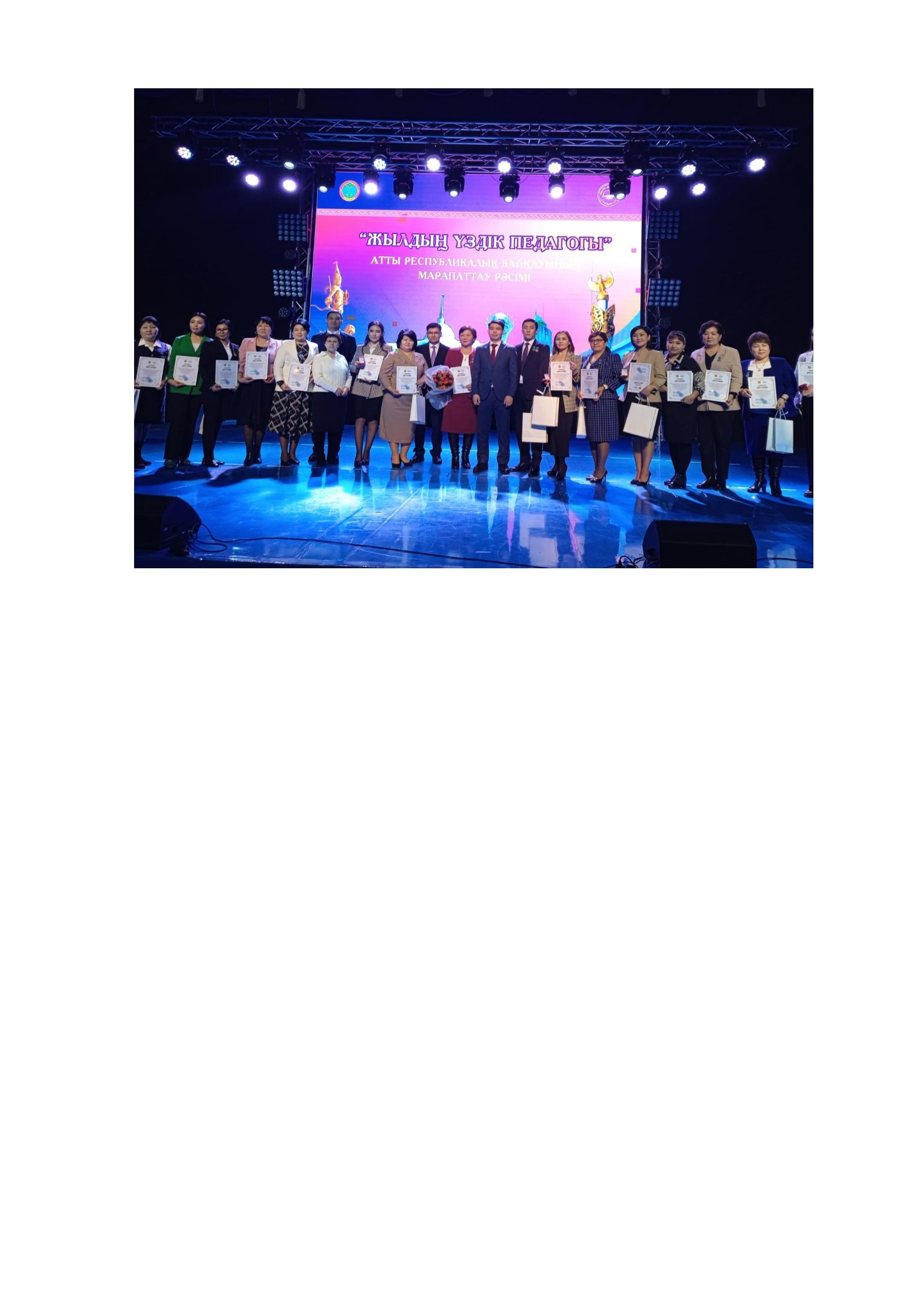
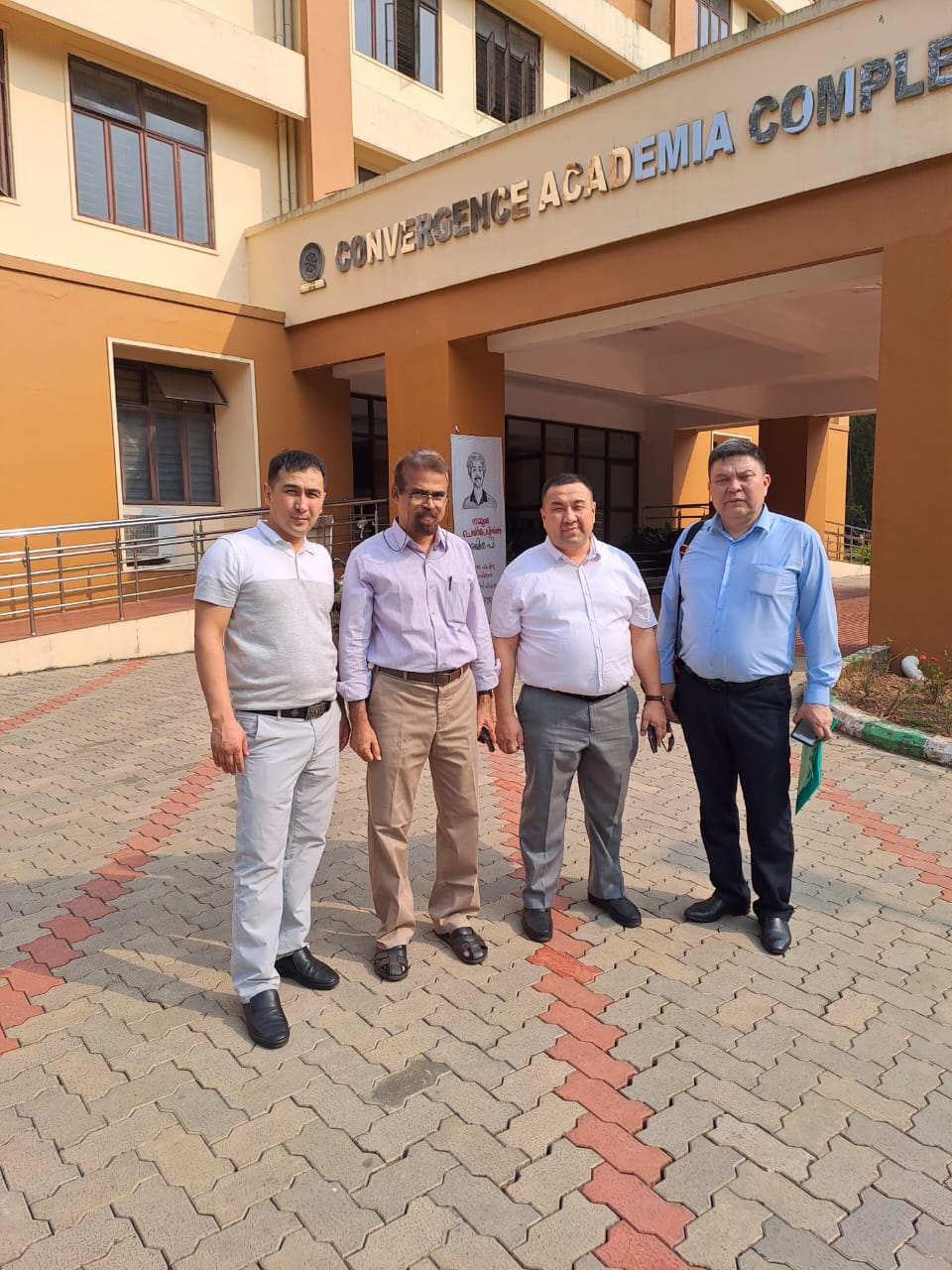
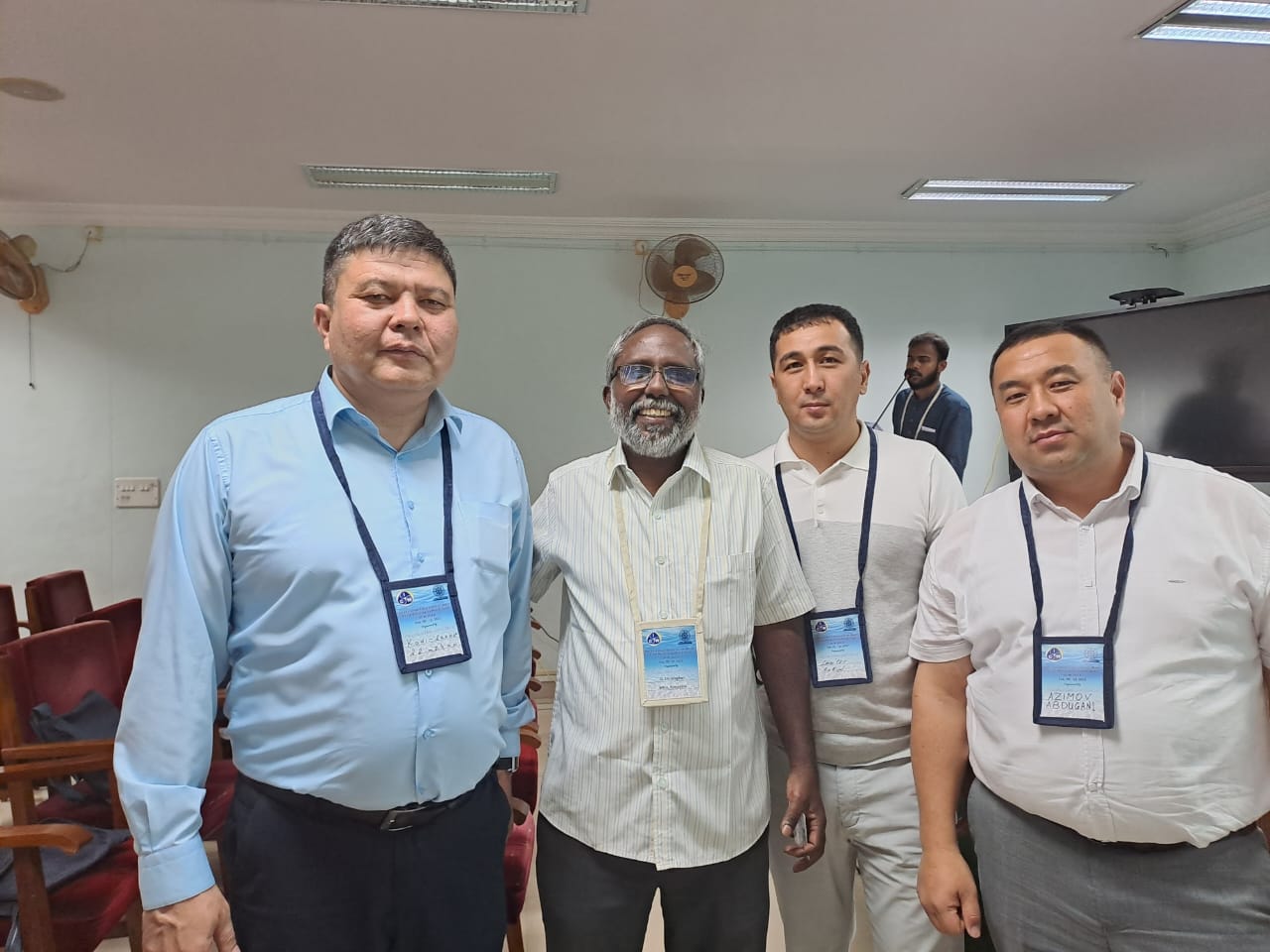
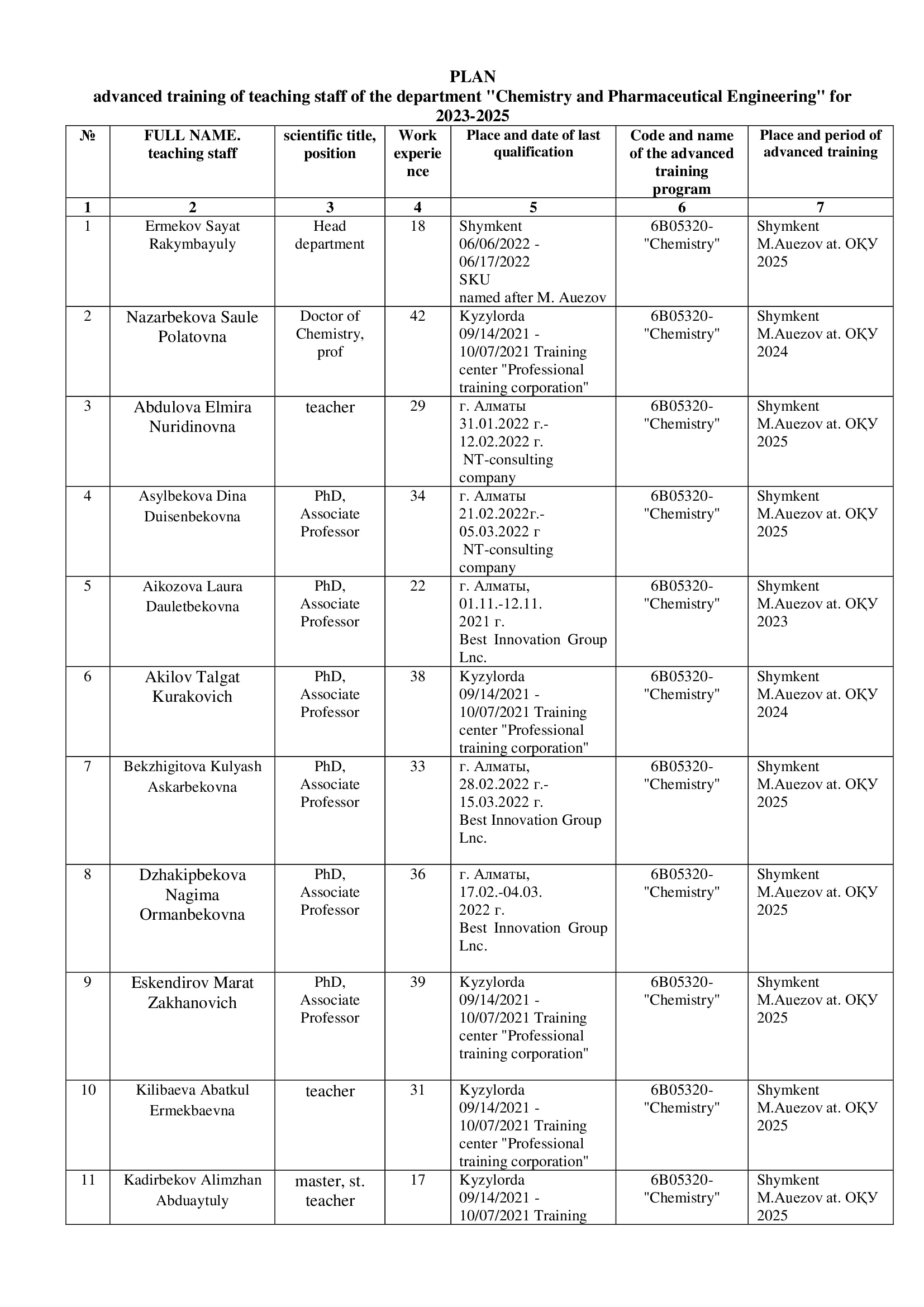
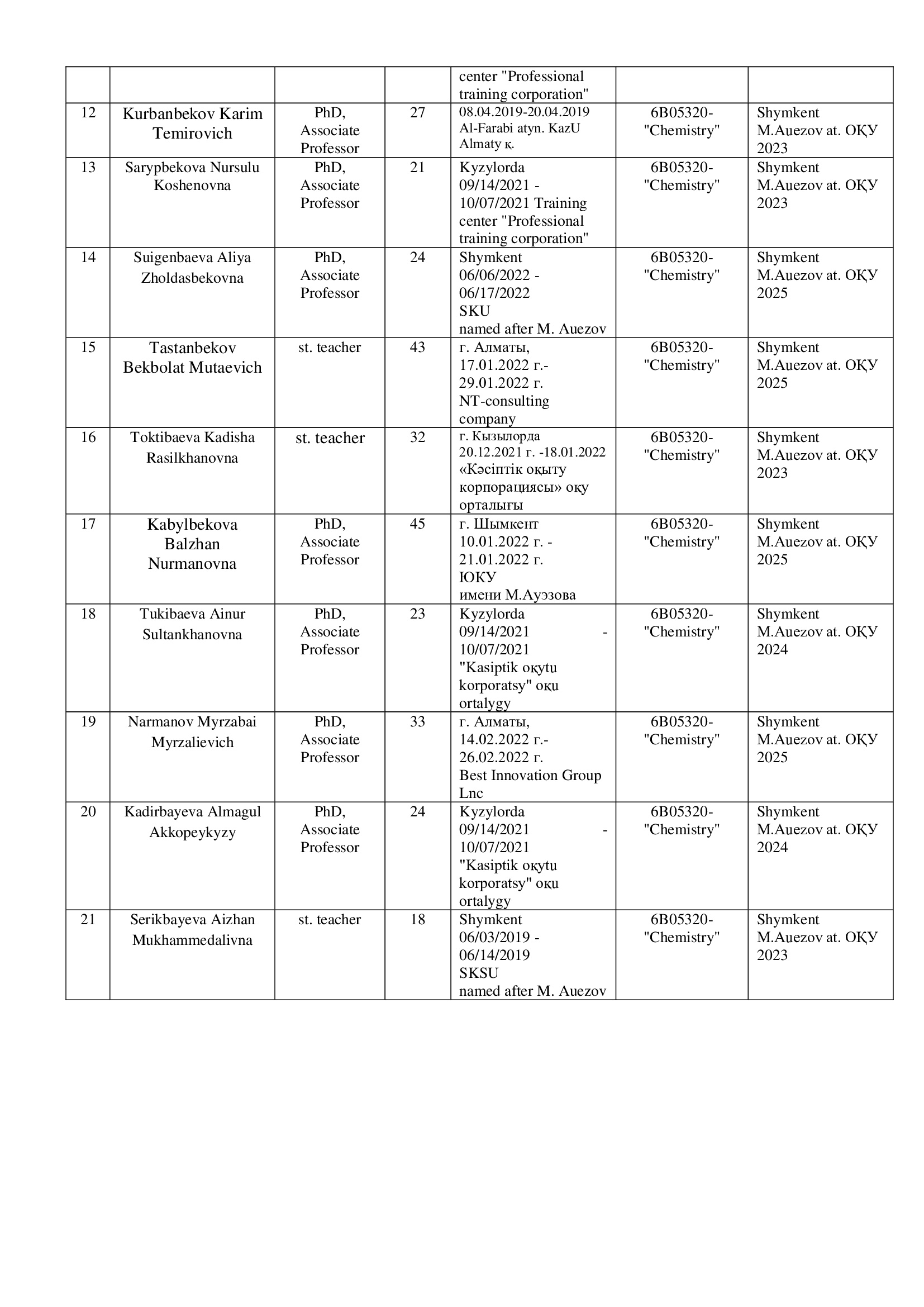
Fellows of the Department "Young Scientist" Kadirbekov A.A. Participated in the international conference "Water from Pollution to Purification", held at the Mahatma Gandhi University in India. Scientists from Great Britain, Canada, Poland, Korea, France, Japan, the United States of America, Spain and Kazakhstan took part in the conference. M. to conduct joint research work. A memorandum was signed between the Auezov Educational Institution and the Mahatma Gandhi University.