News
From infrastructure to nuclear energy: priorities of the President’s Address explained
- Hits: 5
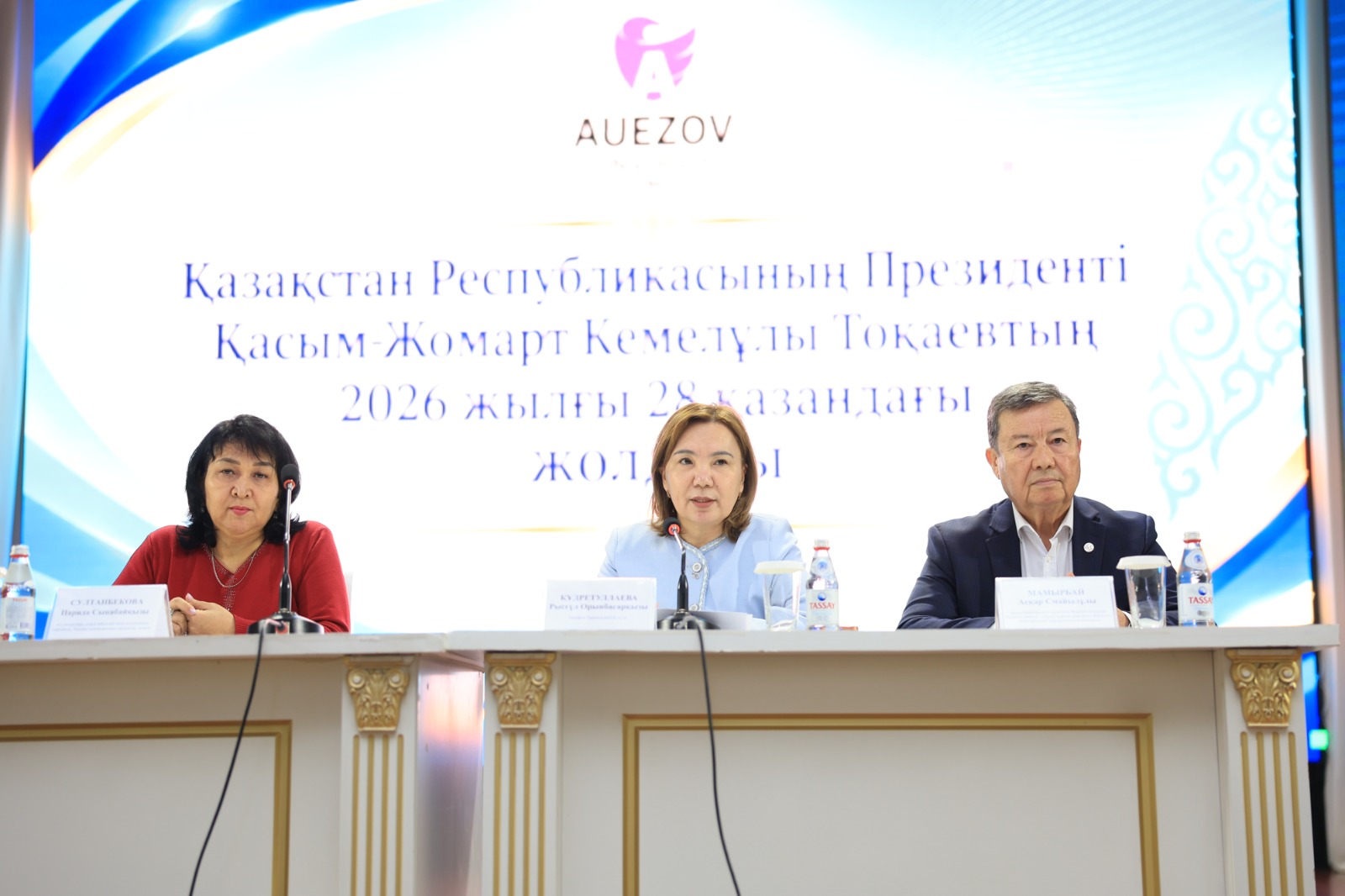
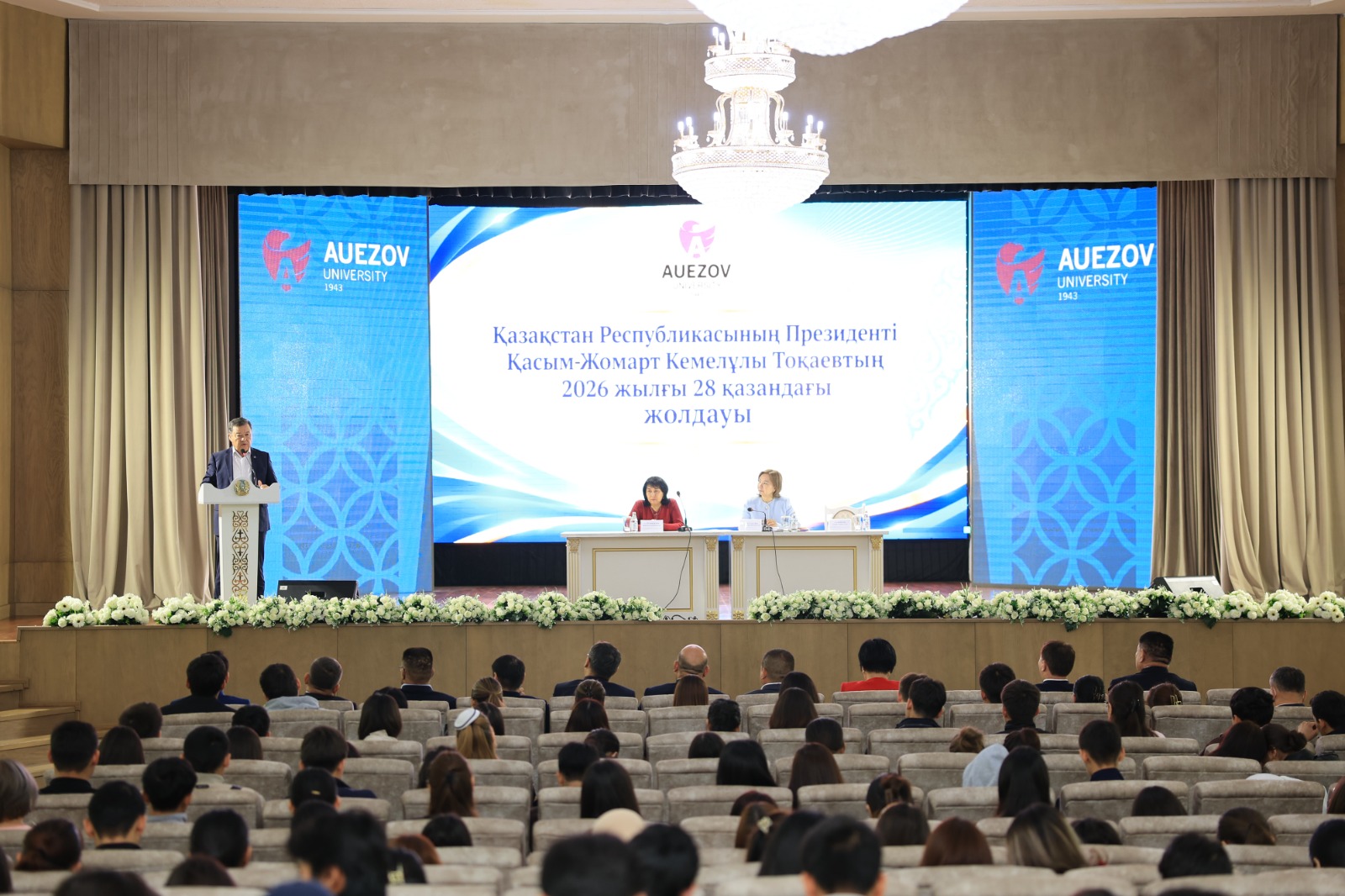
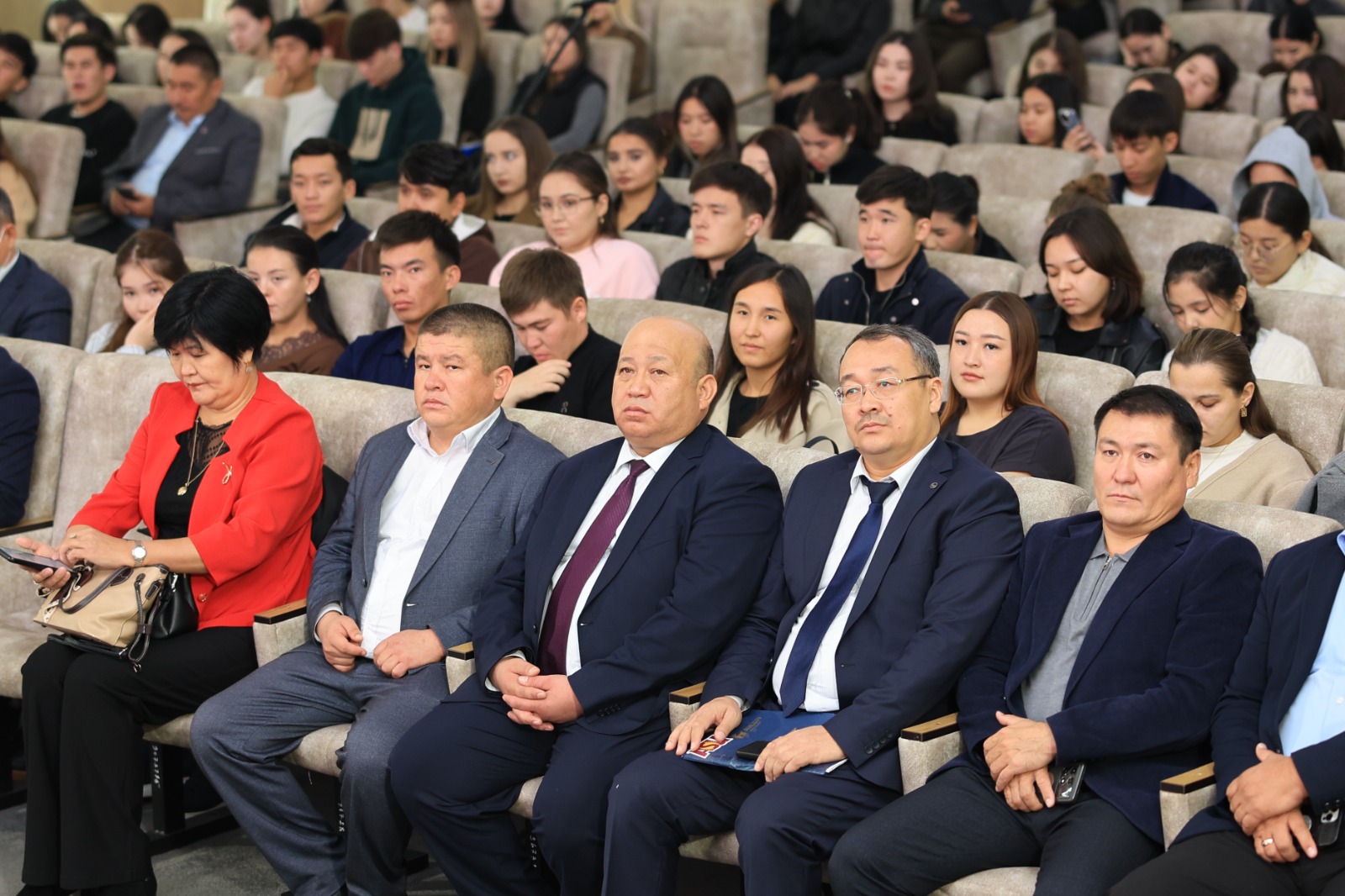
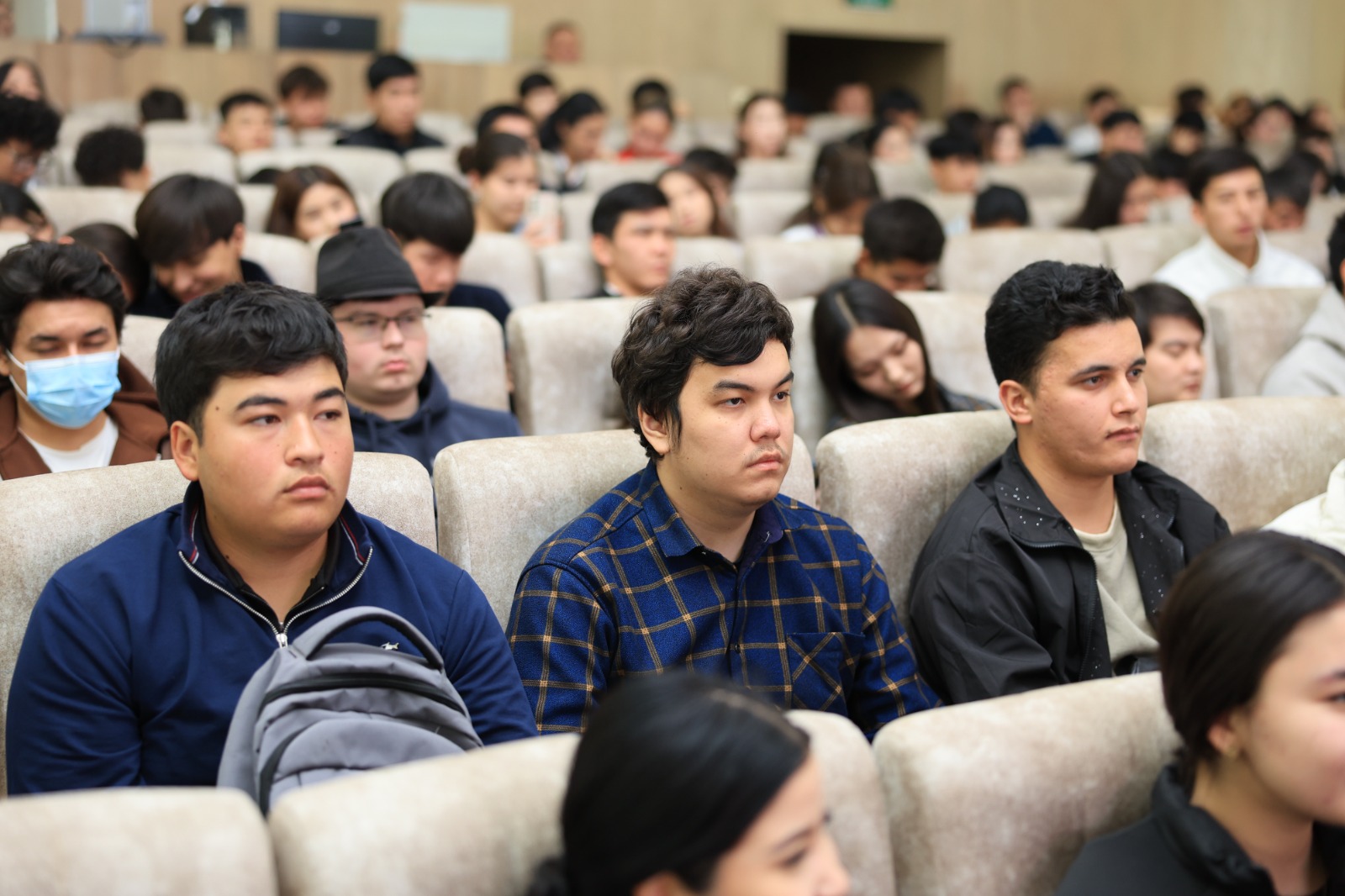
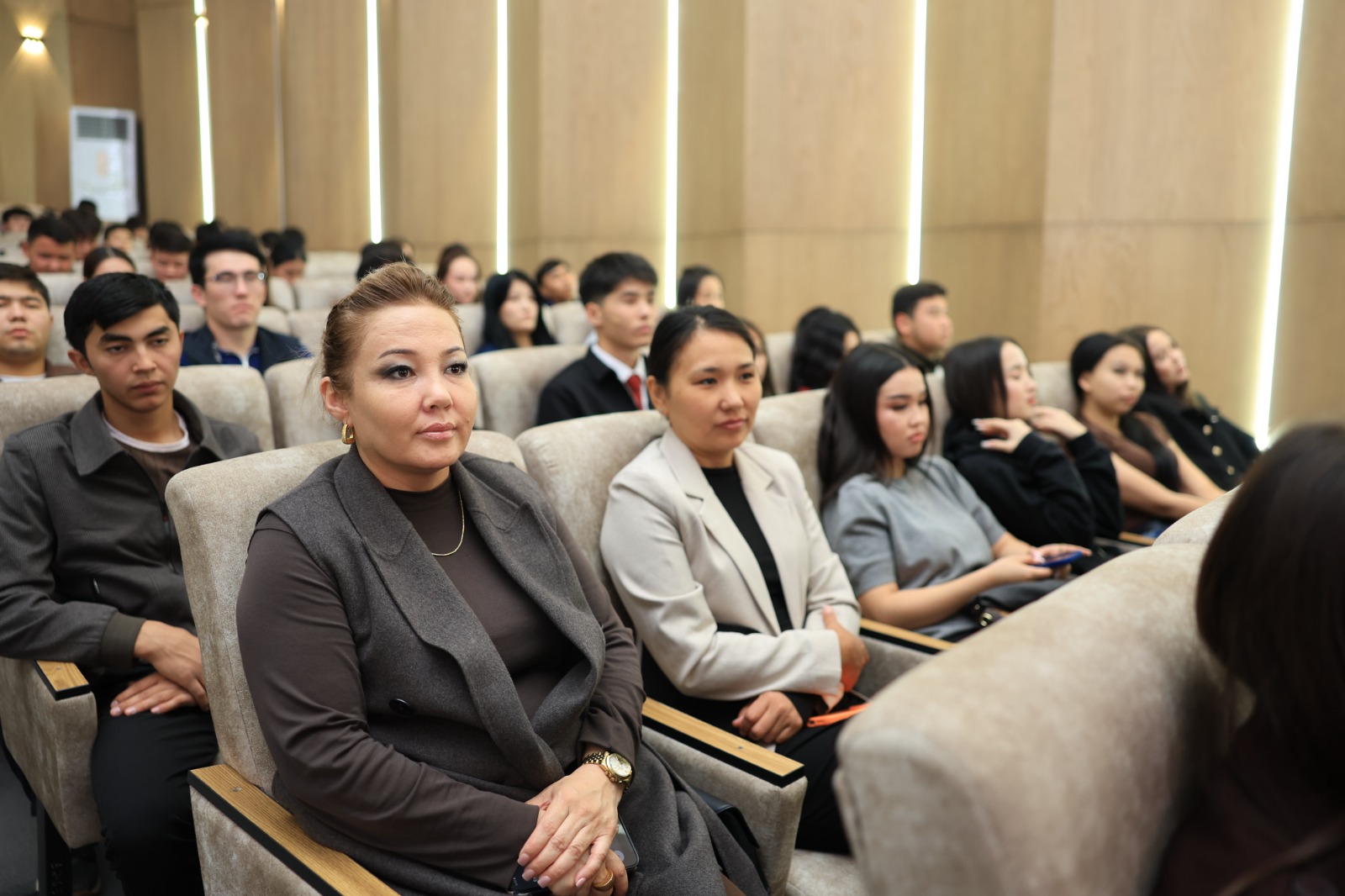
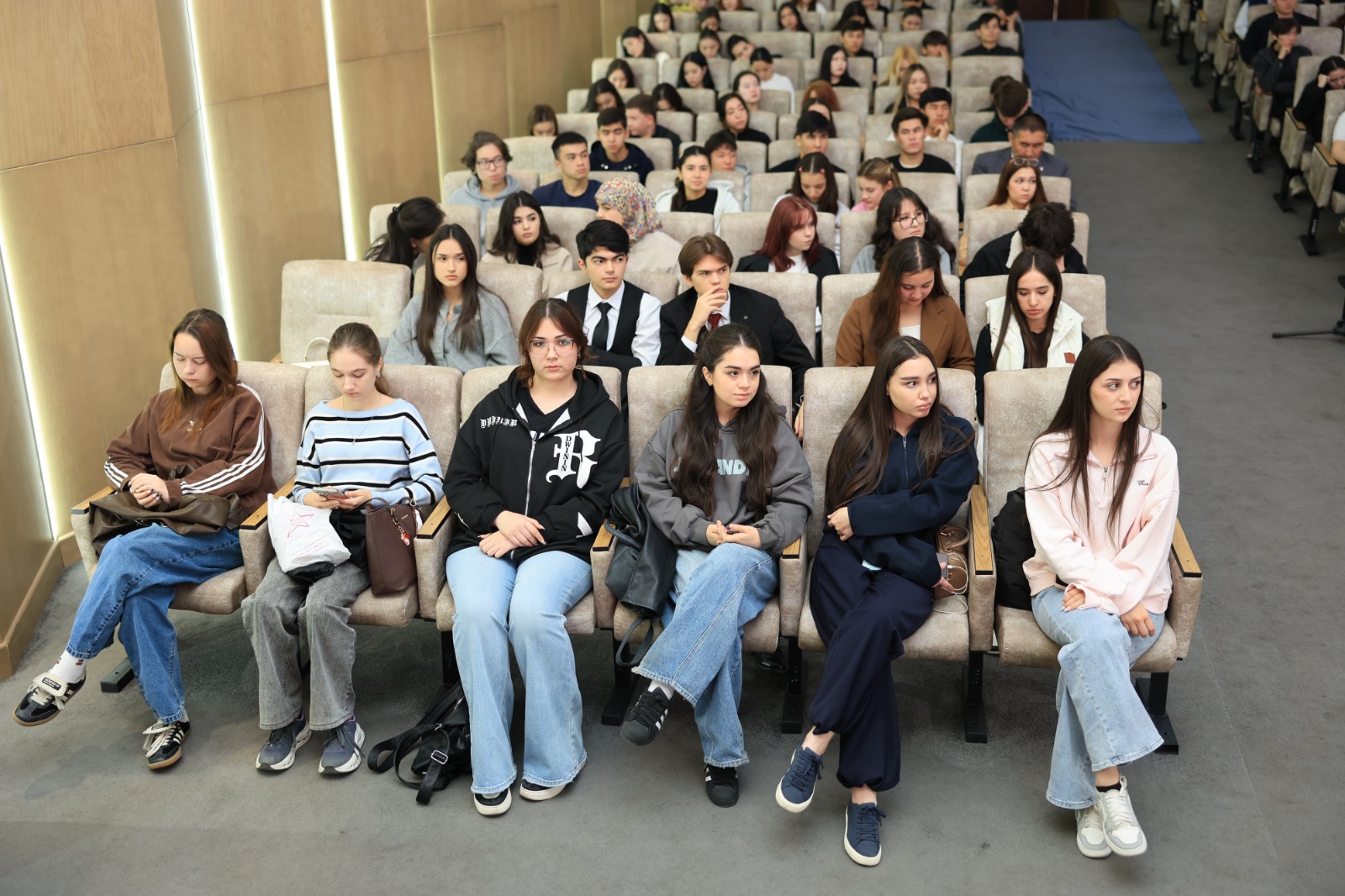
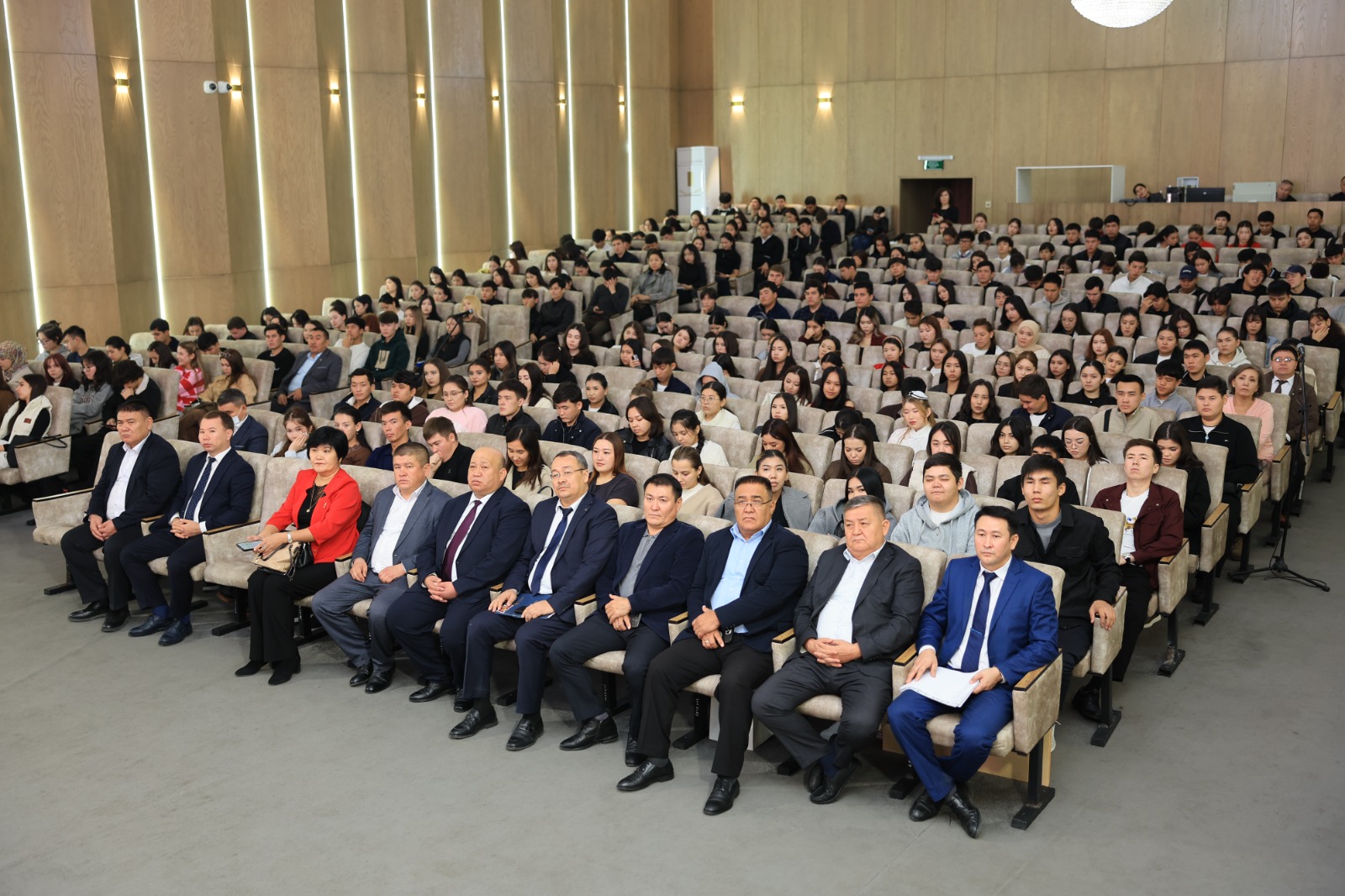
A meeting dedicated to promoting the priorities outlined in the Address to the People of Kazakhstan delivered by Head of State Kassym-Jomart Tokayev on 28 October 2026, entitled "Key Challenges Facing Kazakhstan at a New Historical Stage" was held at Auezov University.
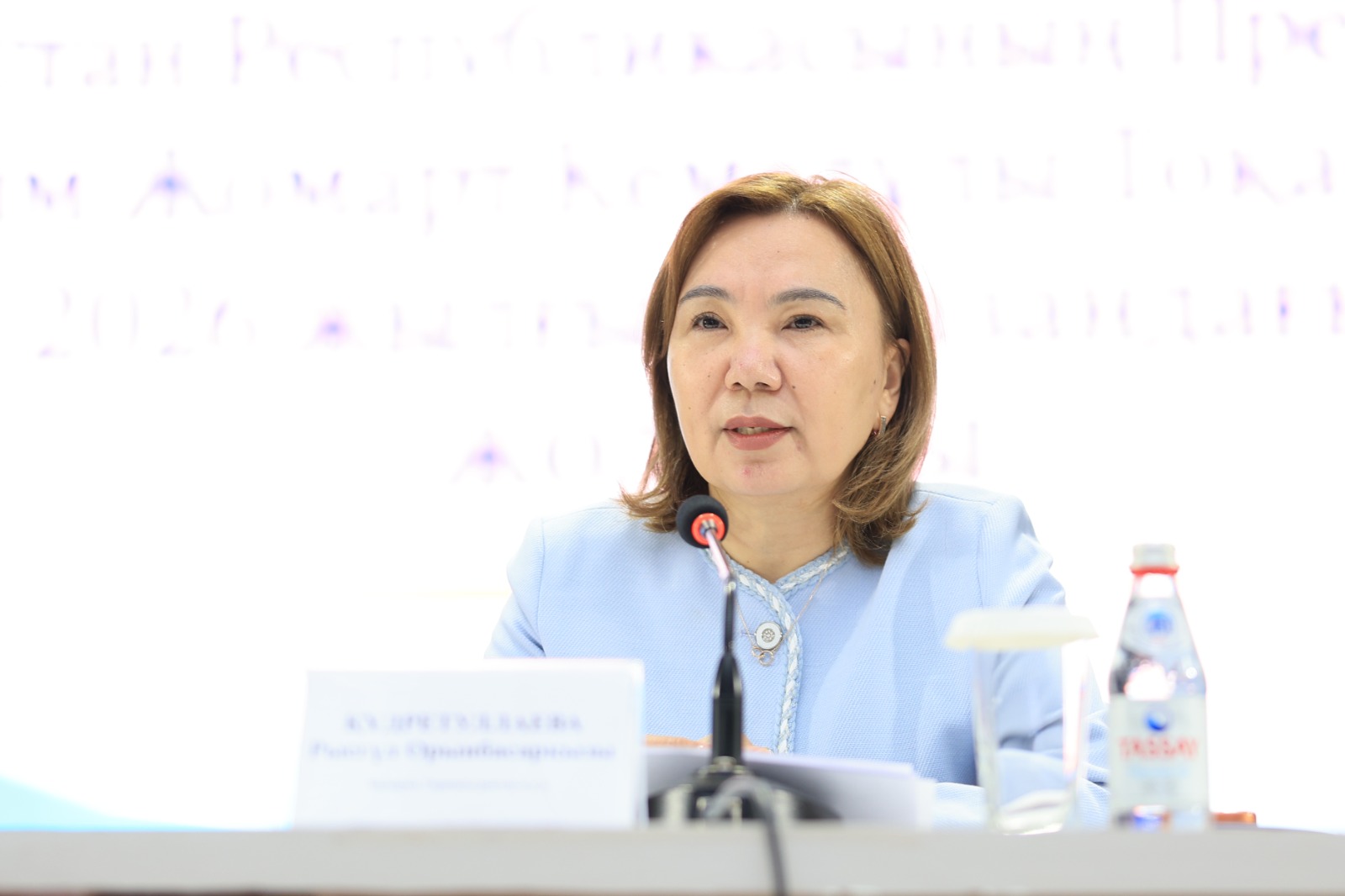
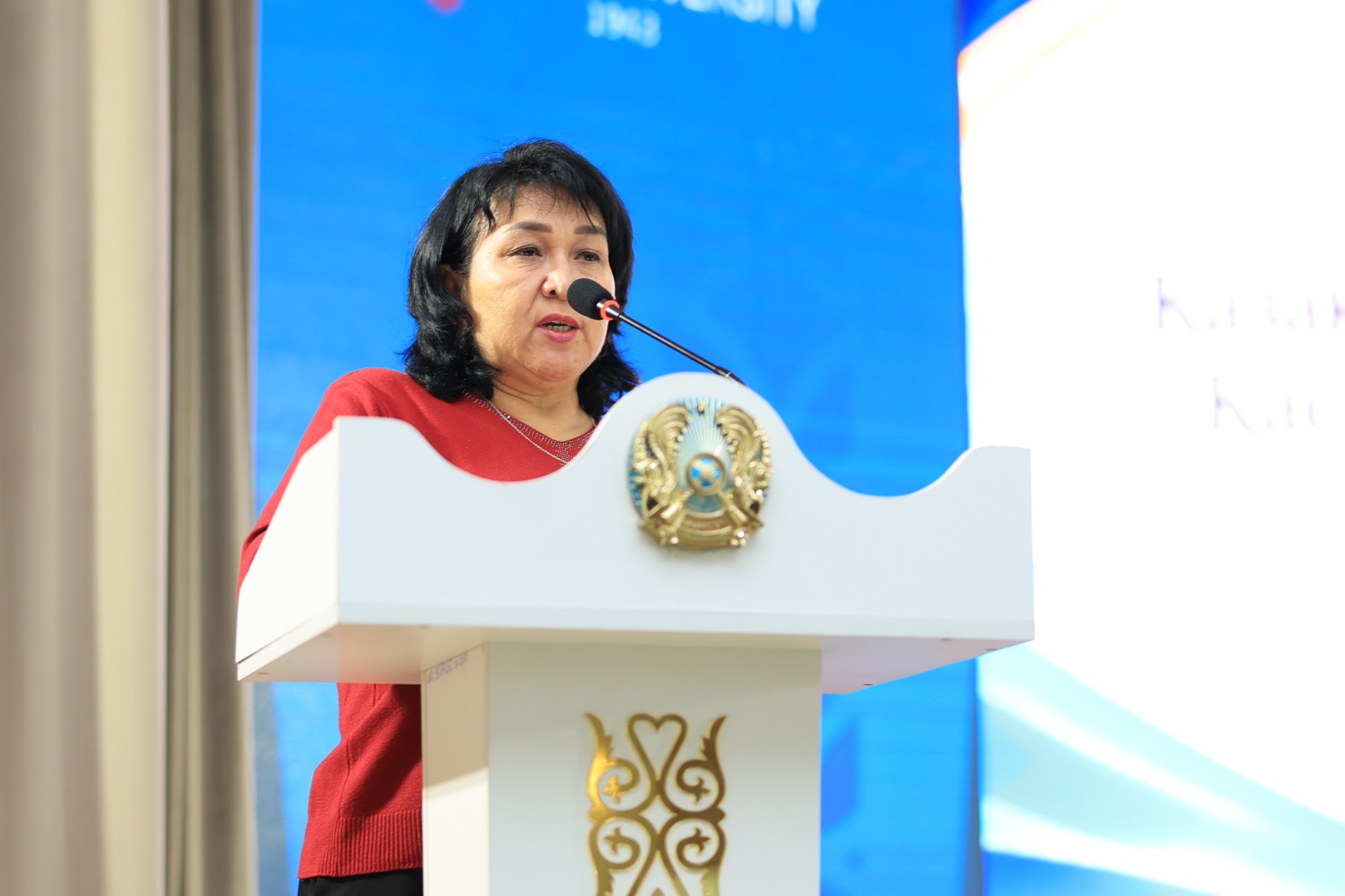
Opening the event, Acting Rector of the University Ryskul Kudretullayeva noted that higher education institutions bear significant responsibility for implementing the objectives set out in the President’s Address. She emphasized that training specialists in line with the country’s development priorities, advancing science and introducing modern technologies into the educational process are among the university’s key objectives.
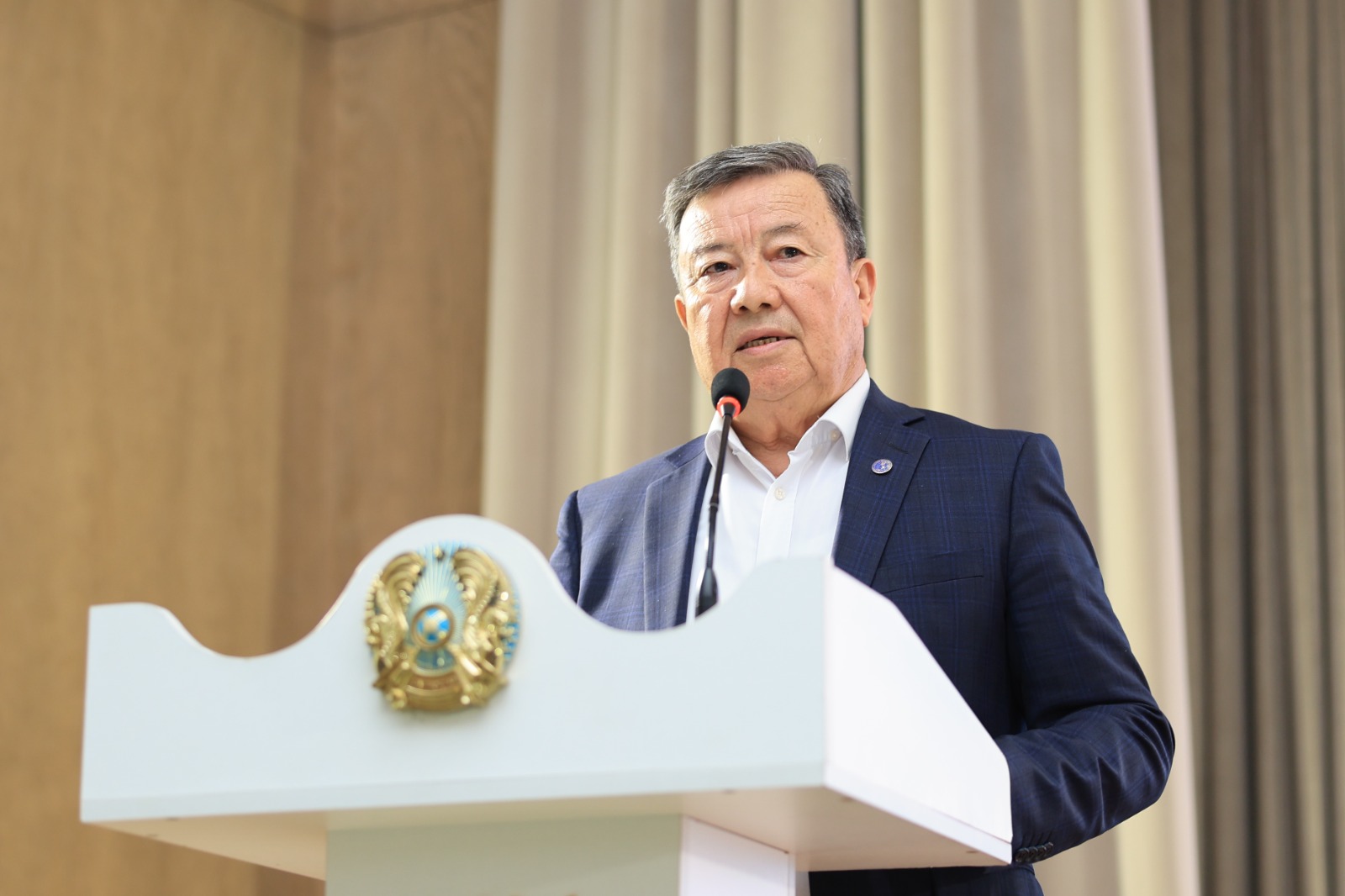
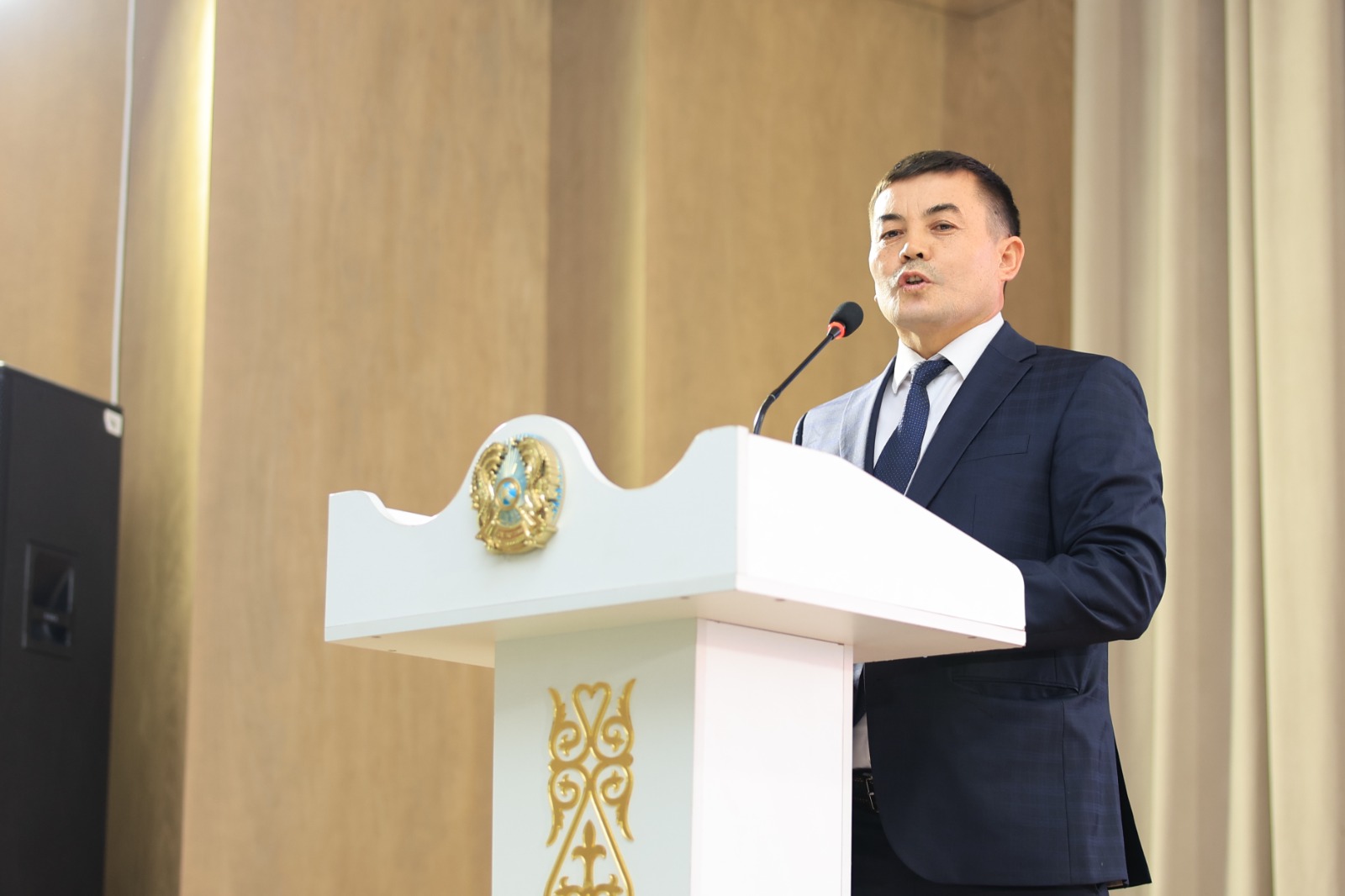
The meeting featured presentations on construction, water resources, nuclear energy and civic responsibility, highlighting the university’s role in implementing the objectives outlined in the President’s Address. The first presentation entitled "Construction and Infrastructure Development Issues" was delivered by Askar Mamyrbayev, who explained the significance of the "People’s Construction" initiative proposed by the Head of State. He emphasized that the development of social infrastructure requires qualified architects and urban planning specialists. In this regard it was noted that one of the key tasks of the Department of Architecture and Urban Planning is to train professionals in line with the needs of the industry.
Candidate of Technical Sciences and Associate Professor Parida Sultanbekova delivered a presentation entitled "Water Resources as the Foundation of National Security and Sustainable Development: Objectives within the Framework of the President’s Address". She highlighted the strategic importance of water conservation and efficient water resource management, and presented the university’s ongoing efforts to introduce sensor-based and digital technologies, monitor water consumption and modernize the educational process. She also stressed the need to train specialists equipped with modern technologies for the water management sector.
Associate Professor of the Department of Physics, PhD and Associate Professor Sapargali Pazylbek delivered a presentation entitled "Nuclear Energy in Kazakhstan and the Training of Nuclear Physics Specialists". He spoke about the importance of developing nuclear energy and the growing demand for scientific and technical personnel in this field. He also announced that the university plans to launch an educational programme in Nuclear Physics in the future. This initiative is aimed at training specialists needed to strengthen the country’s energy security.
The university’s Press Secretary Azimkhan Issabek presented a report entitled «A Civilized State and the "Adal Azamat" Concept» highlighting such values as integrity, responsibility, respect for the law and civic commitment. He also emphasized that the mission of a higher education institution extends beyond training qualified professionals to include educating responsible and conscious citizens who are committed to the development of the country.
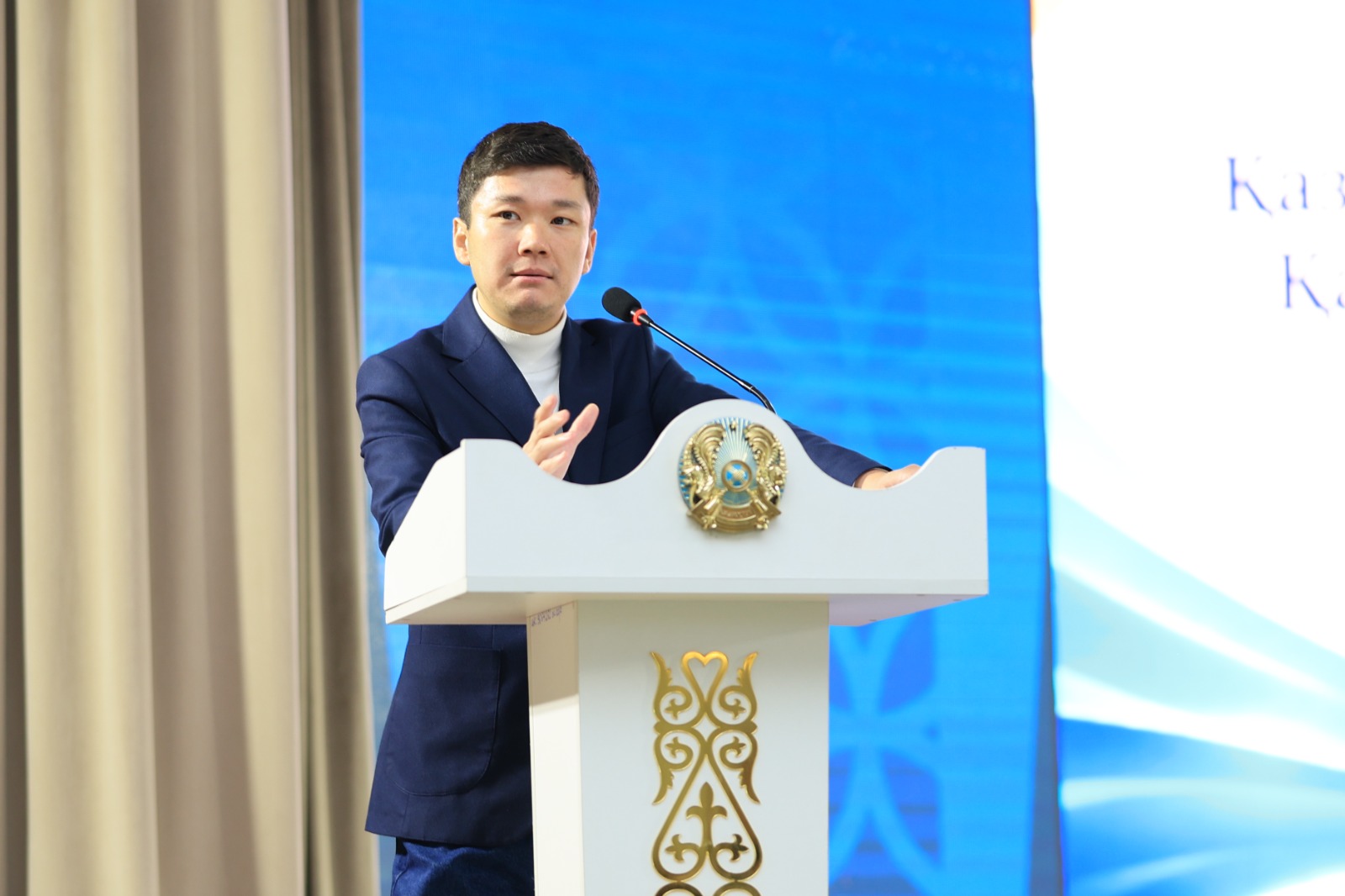
Meanwhile PhD and Associate Professor Nursultan Faiz of the Department of Energy and Non-Traditional Energy Systems delivered a presentation entitled "Implementing a Digital Twin as a Nuclear Reactor Prototype for a Nuclear Power Plant". He explained the concept of the "Electricity Era" as a new stage in global development and provided information on the growing demand for electricity, the importance of developing nuclear energy in Kazakhstan and future plans in this field. He also highlighted new technologies in the energy sector and the career prospects of engineering professions to young people.
The meeting provided a comprehensive overview of the importance of science and education, professional workforce training and innovative technologies in implementing the strategic priorities outlined in the President’s Address. Auezov University aims to contribute to the country’s priority development areas by expanding its educational programmes, training in-demand specialists and advancing scientific research.