News
Auezov University to open Central Asia’s first International Textile research Laboratory
- Hits: 15
The global economy is shifting from a resource-based model towards industrial and technological cooperation. In this context, deep processing of raw materials, the production of high value-added goods and the adoption of advanced technologies are becoming increasingly important. In an interview with China’s Xinhua News Agency, President of Kazakhstan Kassym-Jomart Tokayev also emphasised the importance of developing international partnerships in these areas.
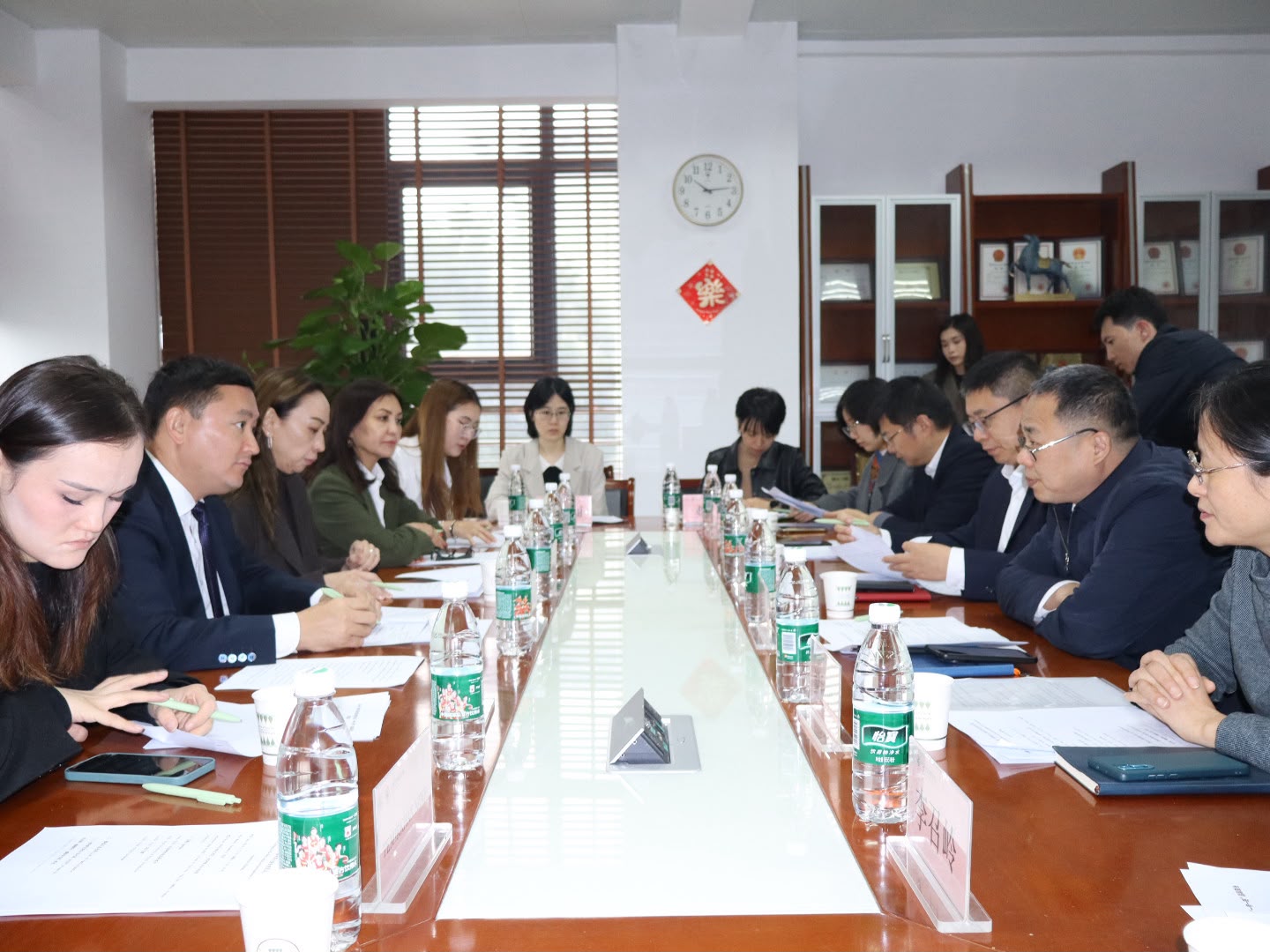
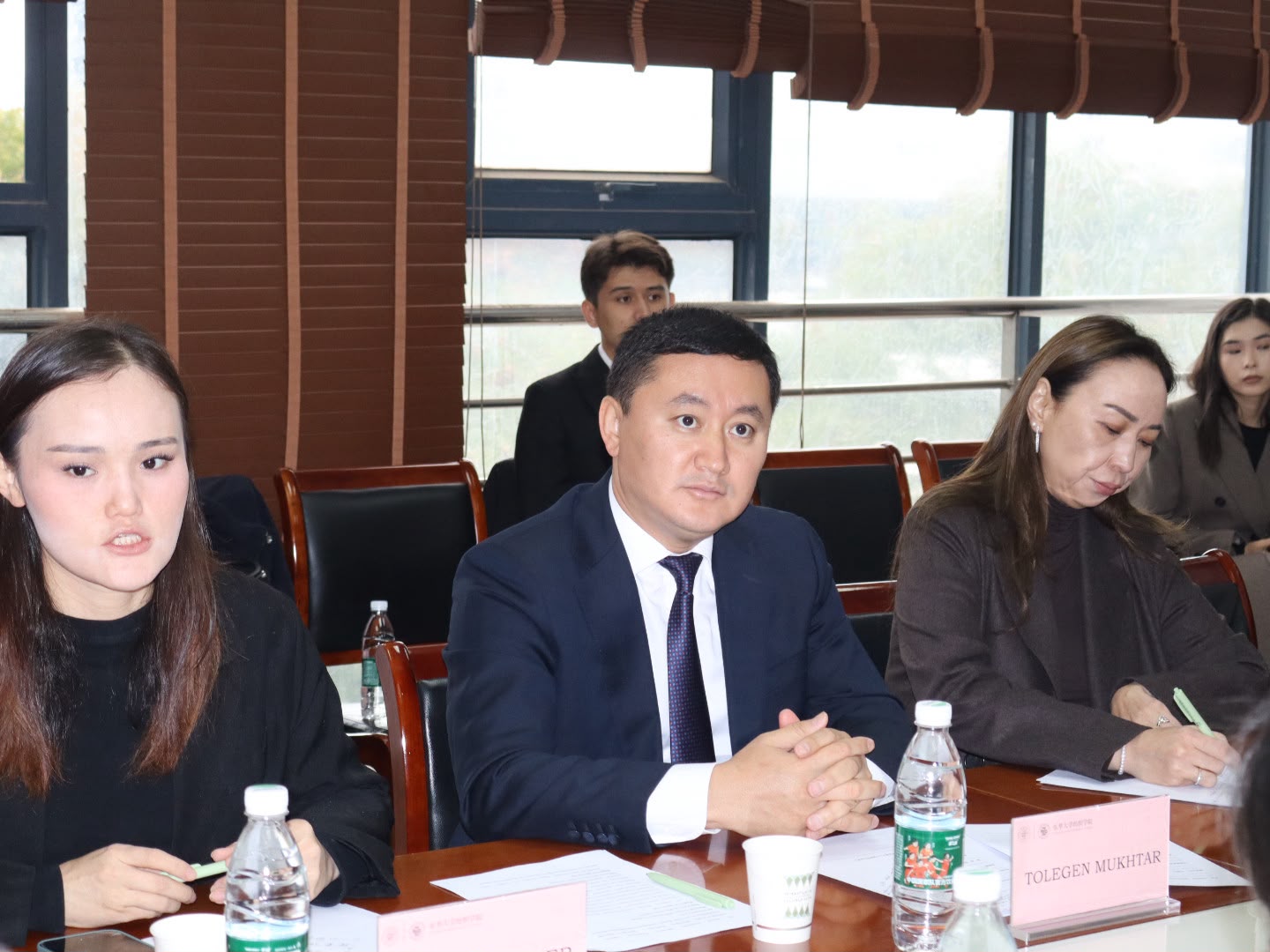
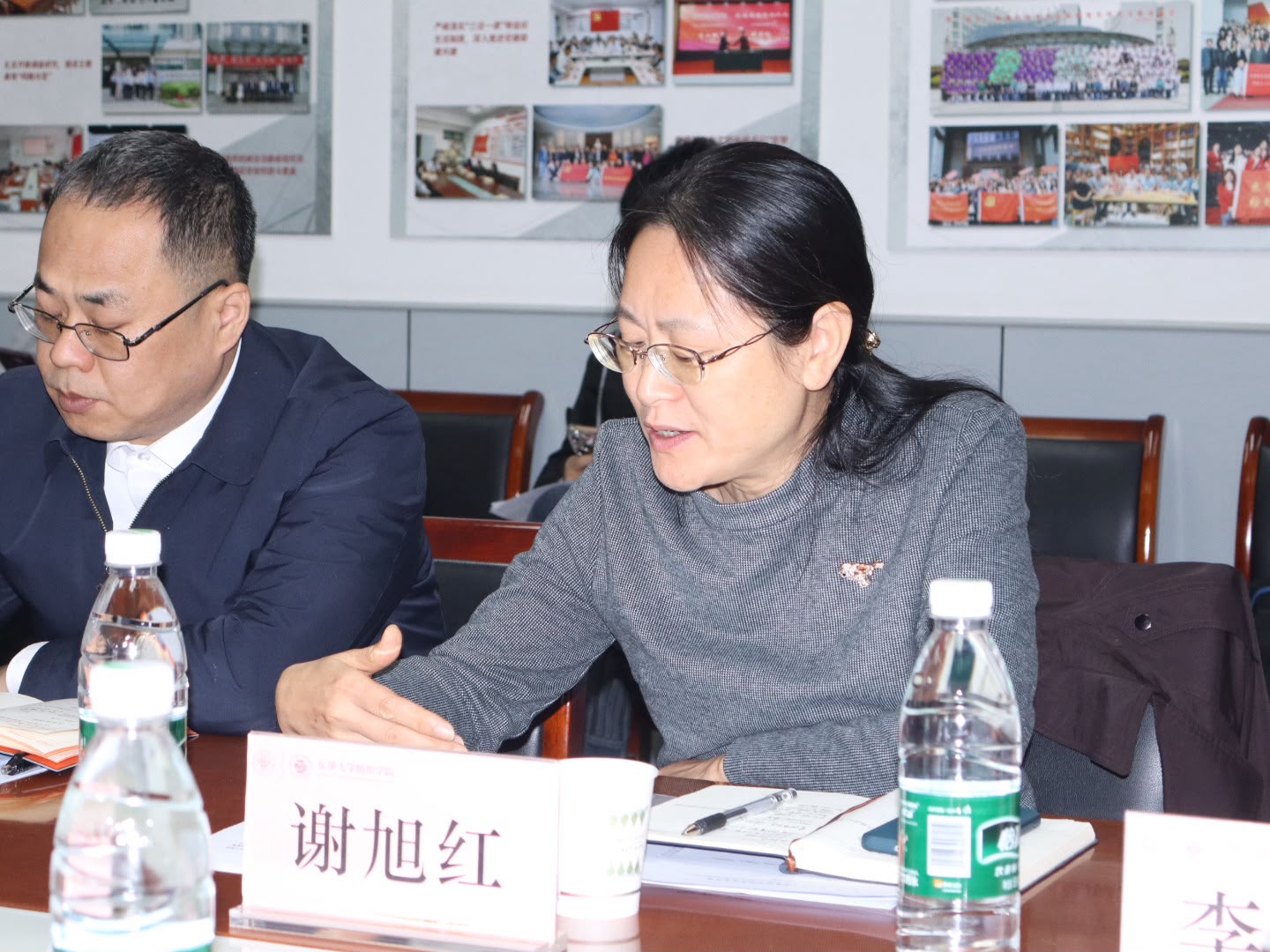
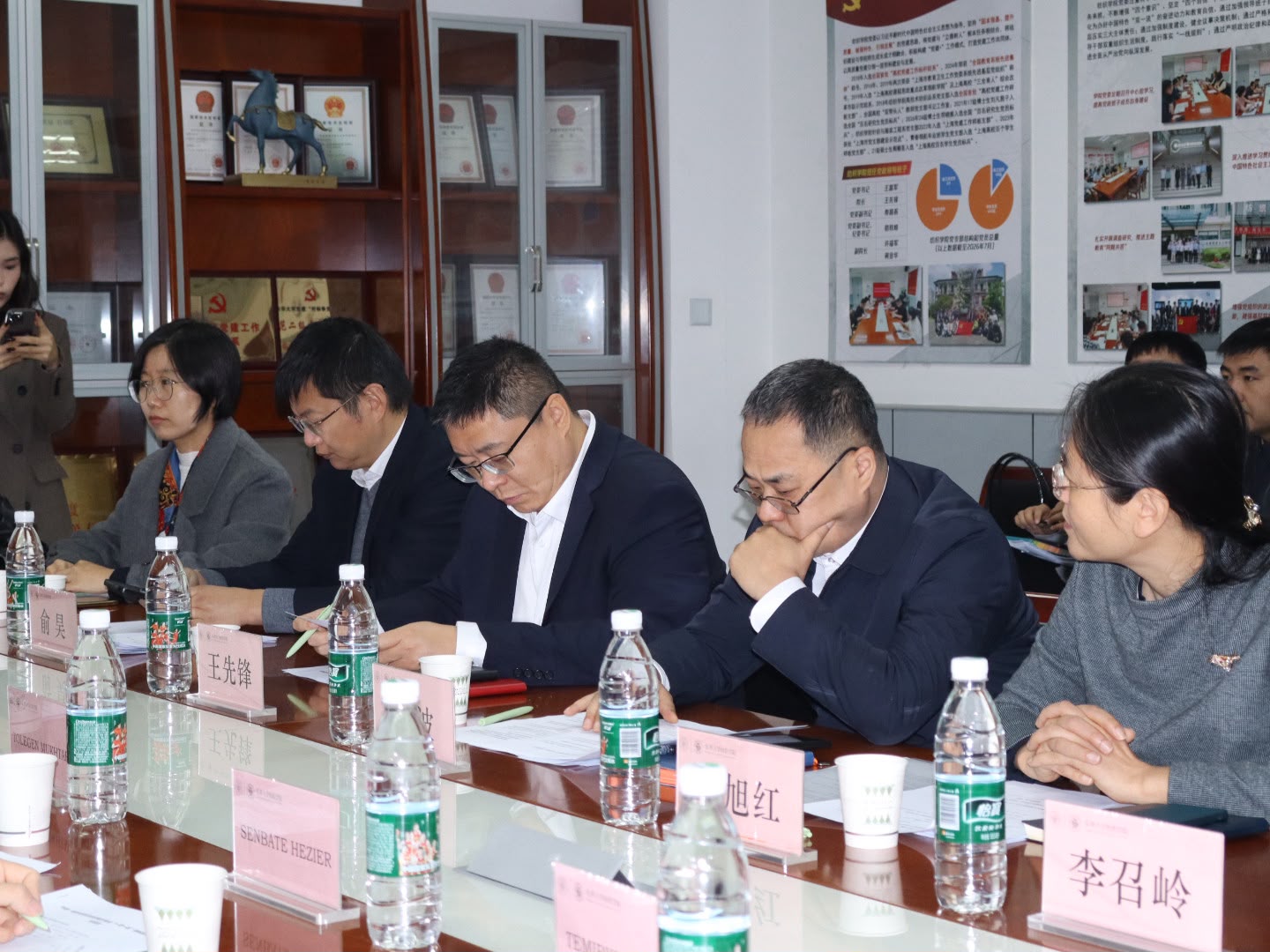
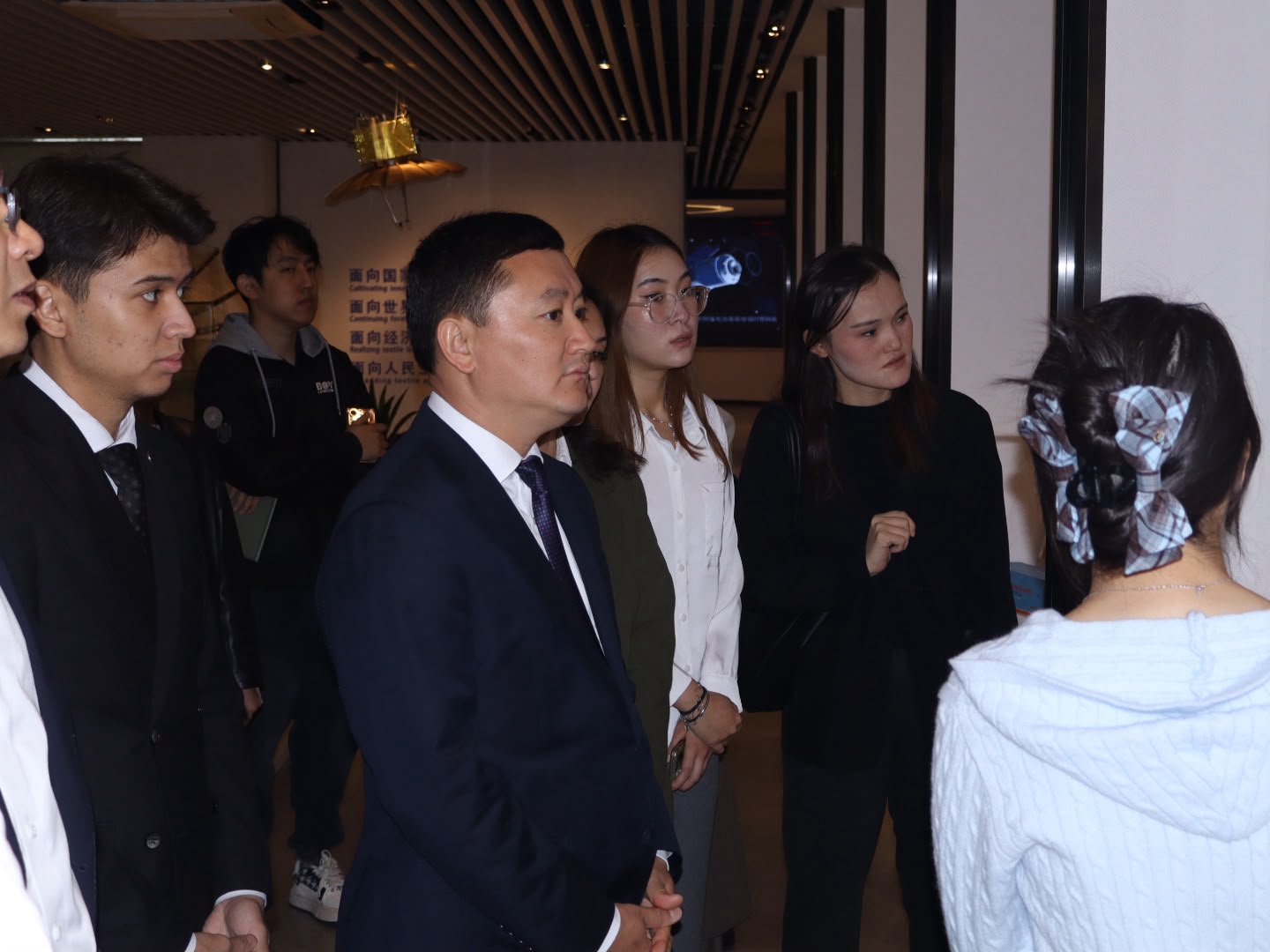
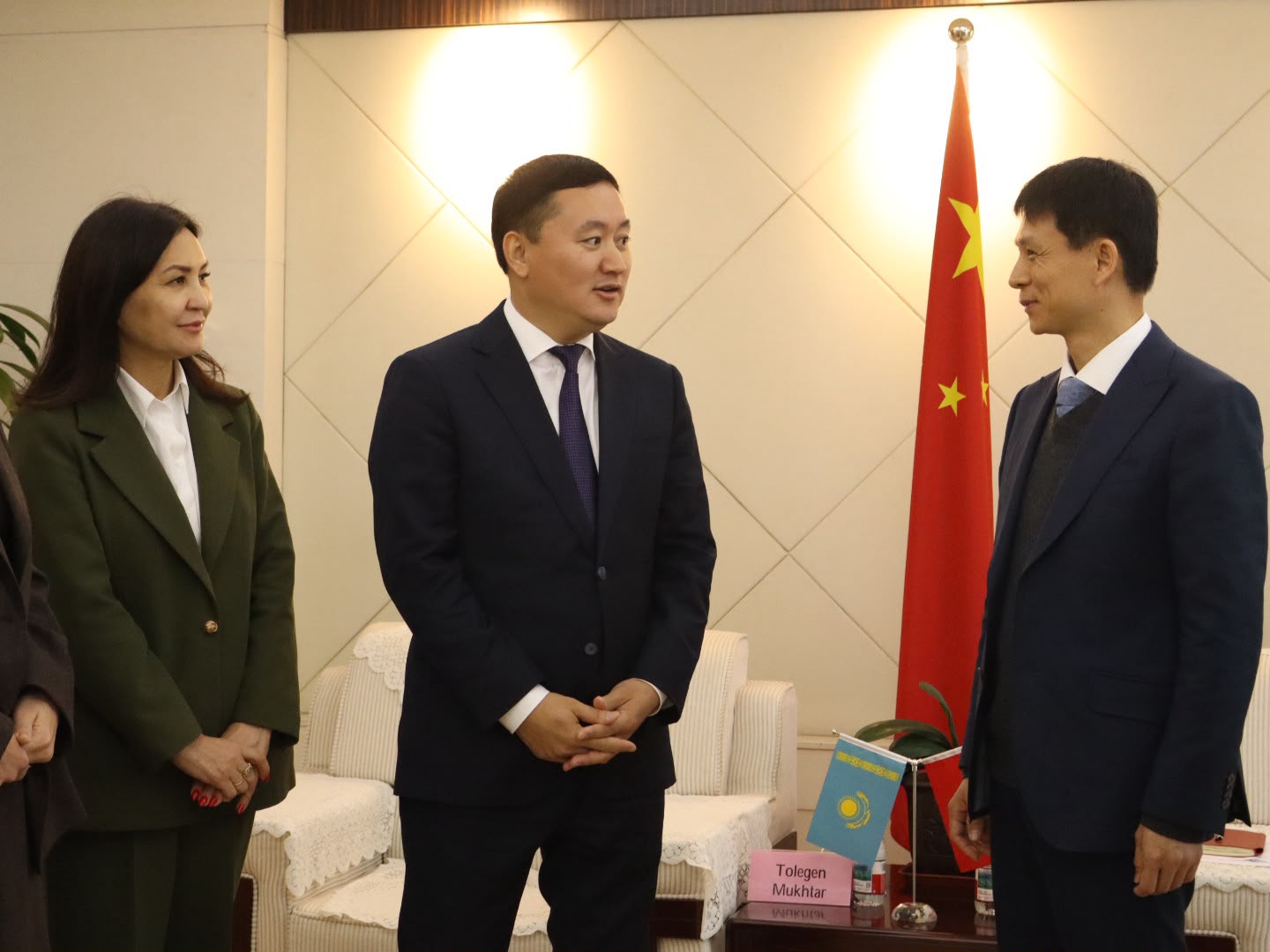
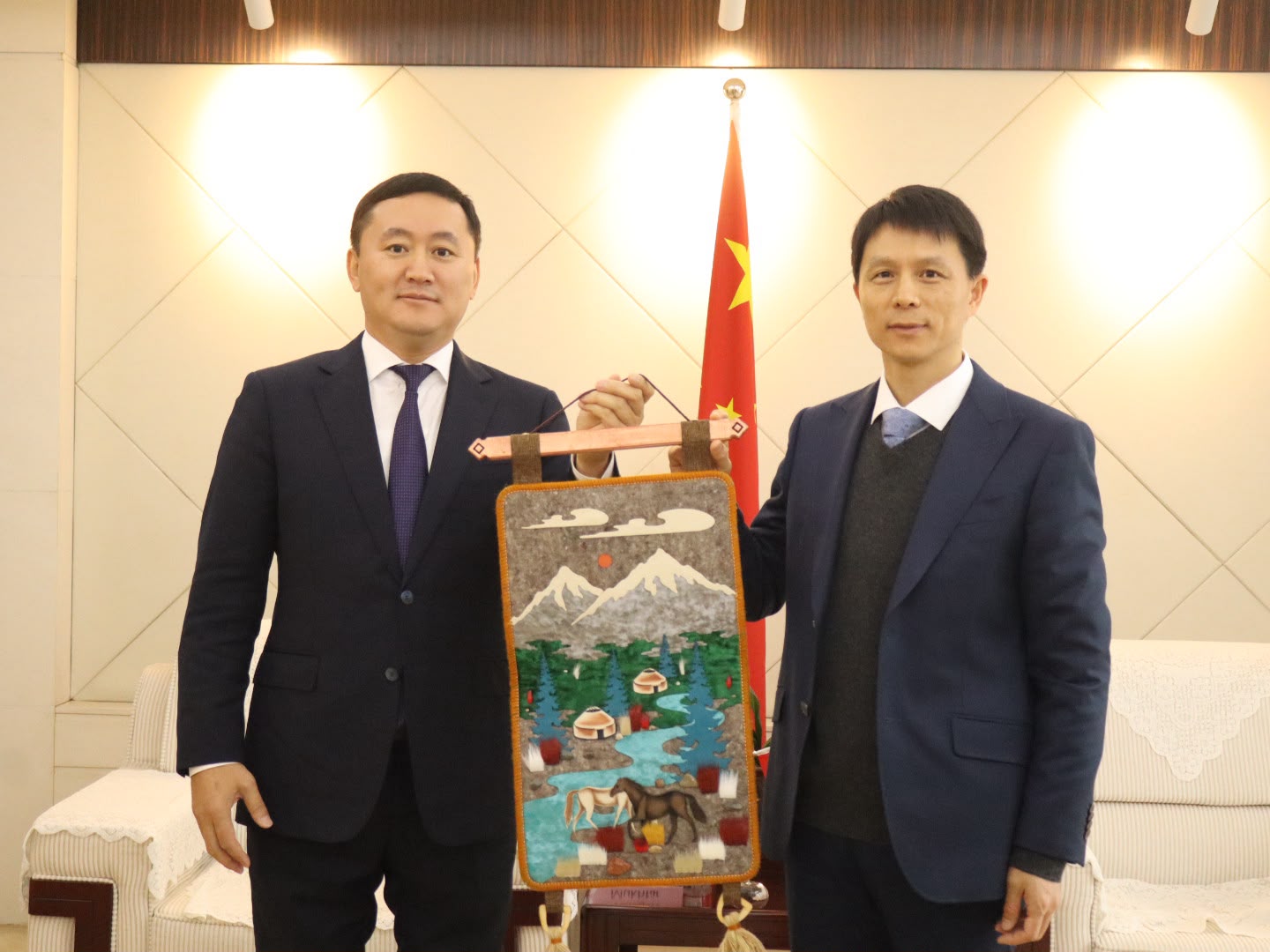
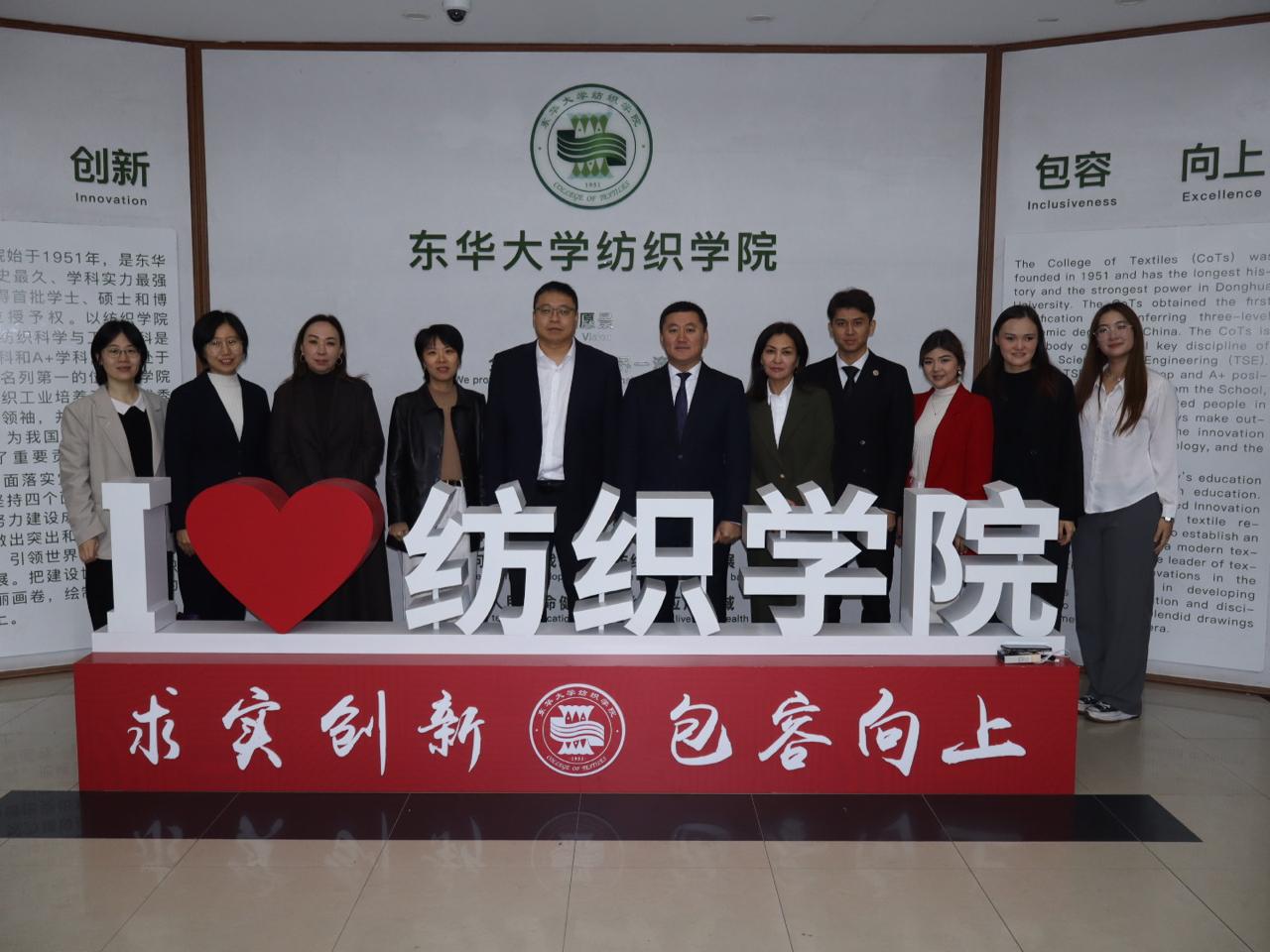
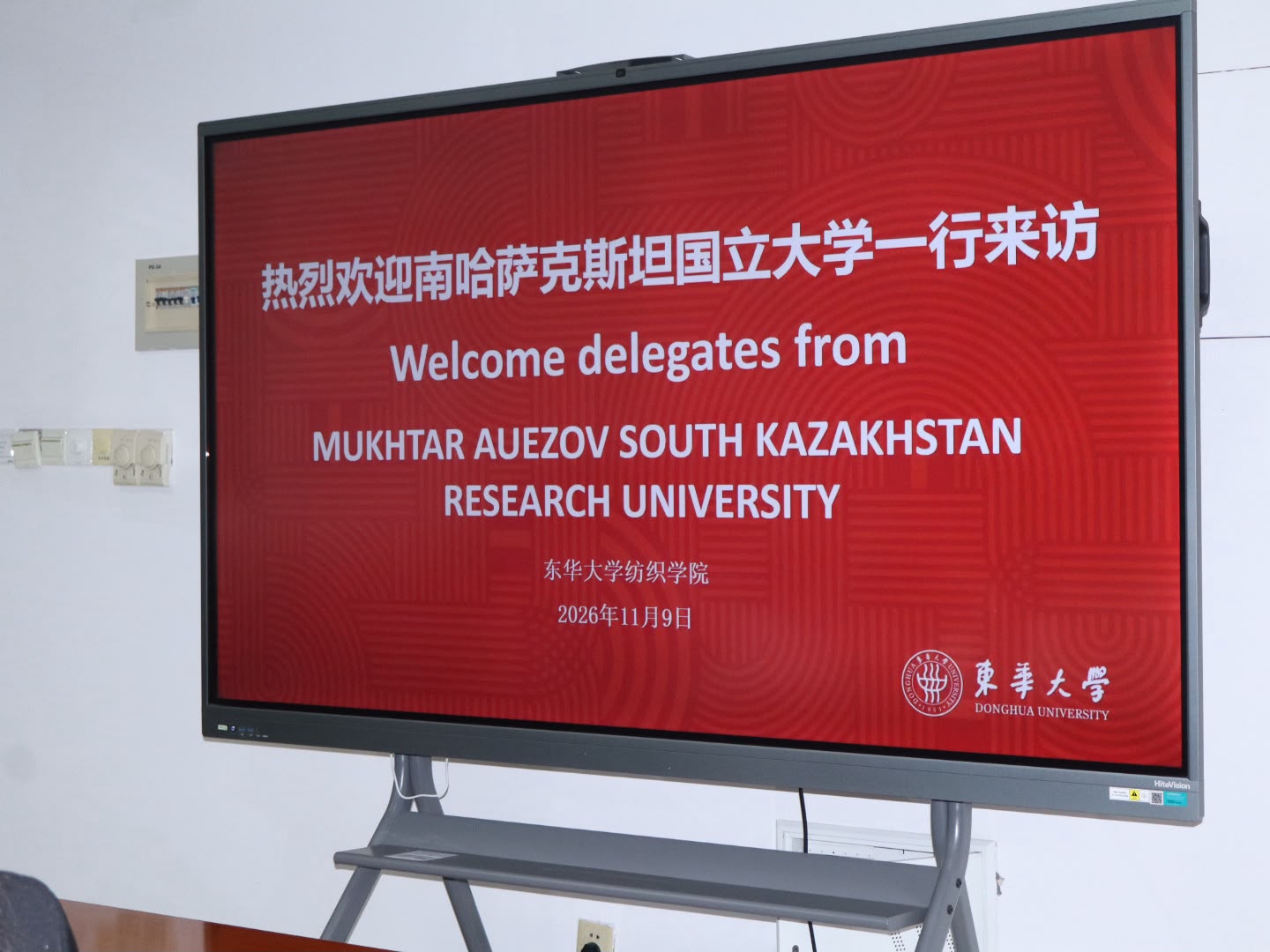
In line with these priorities, an official meeting was held on 9 November 2026 in Shanghai between Mukhtar Tolegen, Chairman of the Board and Rector of Auezov University and Professor Xian Yanxun, President of China’s Donghua University.
The meeting focused on establishing international textile research laboratories powered by artificial intelligence technologies in Kazakhstan and China. Under the project, two interconnected laboratories will be established at the respective universities in both countries. This is a unique scientific initiative with no equivalent in Central Asia.
The new laboratories will focus on advancing modern technologies in the textile industry, integrating artificial intelligence into manufacturing processes, conducting applied research in materials science and developing innovative solutions.
One laboratory will operate at Donghua University in Shanghai, while the other will be based at Auezov University. A key feature of the project is the integration of science, education and industry into a unified system. In this regard, scientific research will be closely linked to ongoing cotton cultivation and harvesting activities in the Shaulder region, as well as the production capabilities of major Kazakhstani enterprises and China’s Li Hua company. The project aims to establish a complete production cycle, encompassing every stage from cotton cultivation and deep processing of raw materials to the development of textile materials and the manufacture of finished products.
“Our goal is not simply to establish laboratories, but to create opportunities for scientific research to serve real production needs. Cotton cultivation and harvesting activities are already underway in Shaulder. This work is being carried out in cooperation with major domestic enterprises and China’s Li Hua company,” the Rector noted.
He also emphasised that through close cooperation between Donghua University, Auezov University and industry representatives, the project will help train specialists equipped with new technological skills and prepared to meet the demands of modern manufacturing.
According to Mukhtar Tolegen, artificial intelligence and automated control systems will play a key role in the operation of the laboratories. Measurement sensors will be integrated into production processes to minimise reliance on manual labour, ensure precise process control and improve product quality.
“This will make it possible to take the efficiency of cotton processing and textile manufacturing to a new level. Furthermore, the research will extend far beyond clothing production. Textile technologies are widely used in medicine, mechanical engineering, aerospace and other high-tech industries. For instance, the laboratories will explore opportunities to develop specialised surgical sutures, composite materials for mechanical engineering, textile-based antennas for the aerospace industry and other innovative products.
The laboratories will conduct comprehensive studies of material strength, durability, elasticity, resistance to tearing and suitability for long-term use. This is one of the key areas of materials science. Students and young researchers will have the opportunity to participate directly in research activities and contribute to the development of new materials and finished products. As a result the project will lay the groundwork for the production of domestic goods not only for the textile industry but also for use in medicine, everyday life and mechanical engineering" Mukhtar Tolegen said.
It is worth noting that Donghua University is one of China’s leading universities, included in the country’s national Double First-Class initiative and internationally recognised for its expertise in textile engineering, materials science and advanced technologies.
During the meeting, the parties also discussed the implementation of joint research projects, the development of academic mobility and the expansion of cooperation between the research teams of the two universities. The establishment of the new laboratories represents a continuation of the scientific collaboration already initiated between the universities, with a focus on achieving tangible scientific and technological results.
This initiative aligns with President Kassym-Jomart Tokayev’s priorities of developing high-tech industries, strengthening the links between science and production, and expanding international technological partnerships.
The implementation of the project will not only strengthen Auezov University’s research capacity but also create new opportunities to advance Kazakhstan’s textile industry through innovative technologies, enhance the competitiveness of domestic production and establish a new direction for scientific and technological cooperation in Central Asia.
Found a typo? Please select it and press Ctrl + Enter.