News
History of the Ulus of Jochi: new research and scientific findings
- Hits: 9
The Ulus of Jochi is one of the major political entities that holds a special place in the history of Eurasia and is closely connected with the formation of Kazakh statehood. The study of its state system and spiritual and cultural heritage remains important for modern historical scholarship.
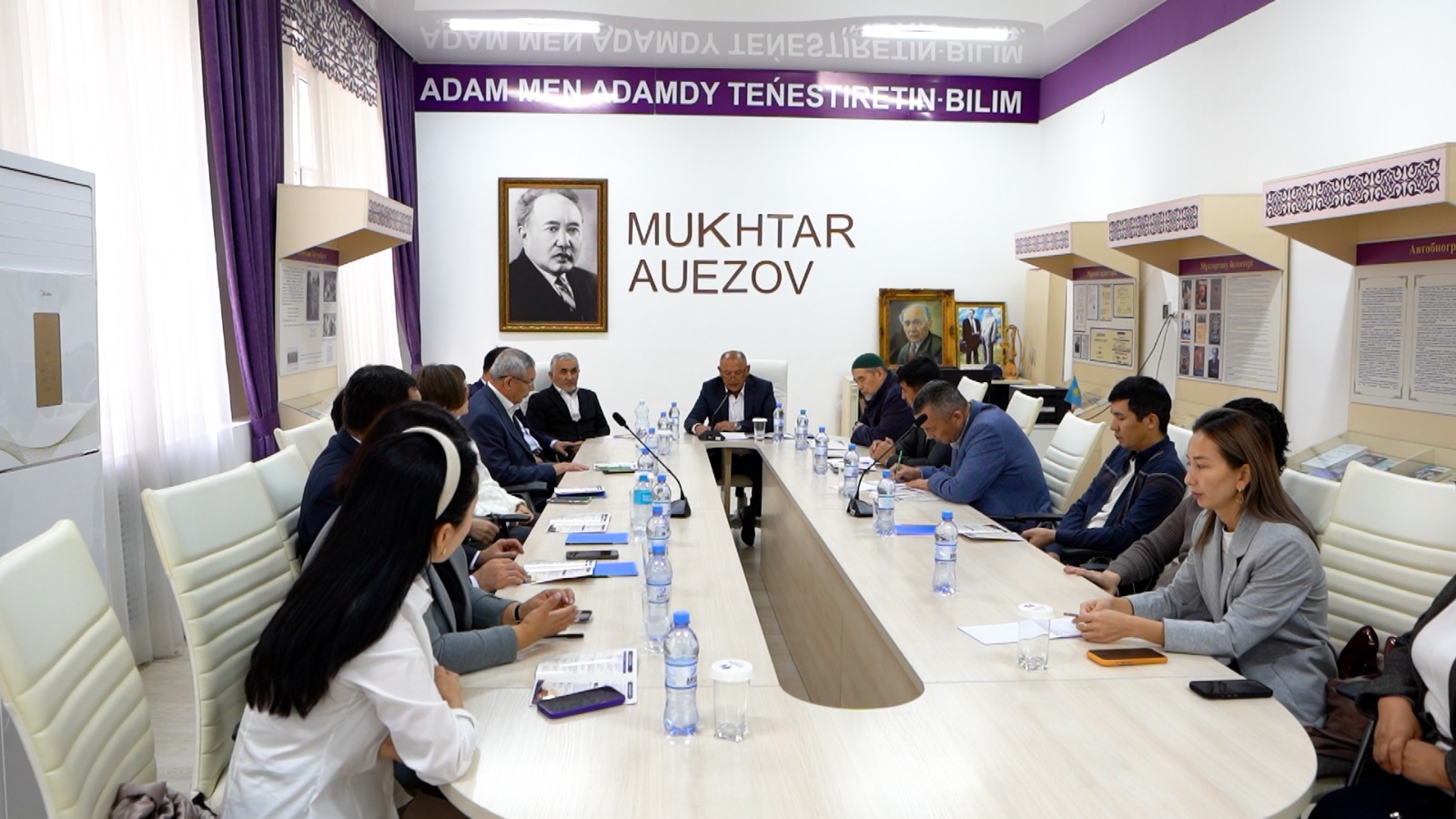
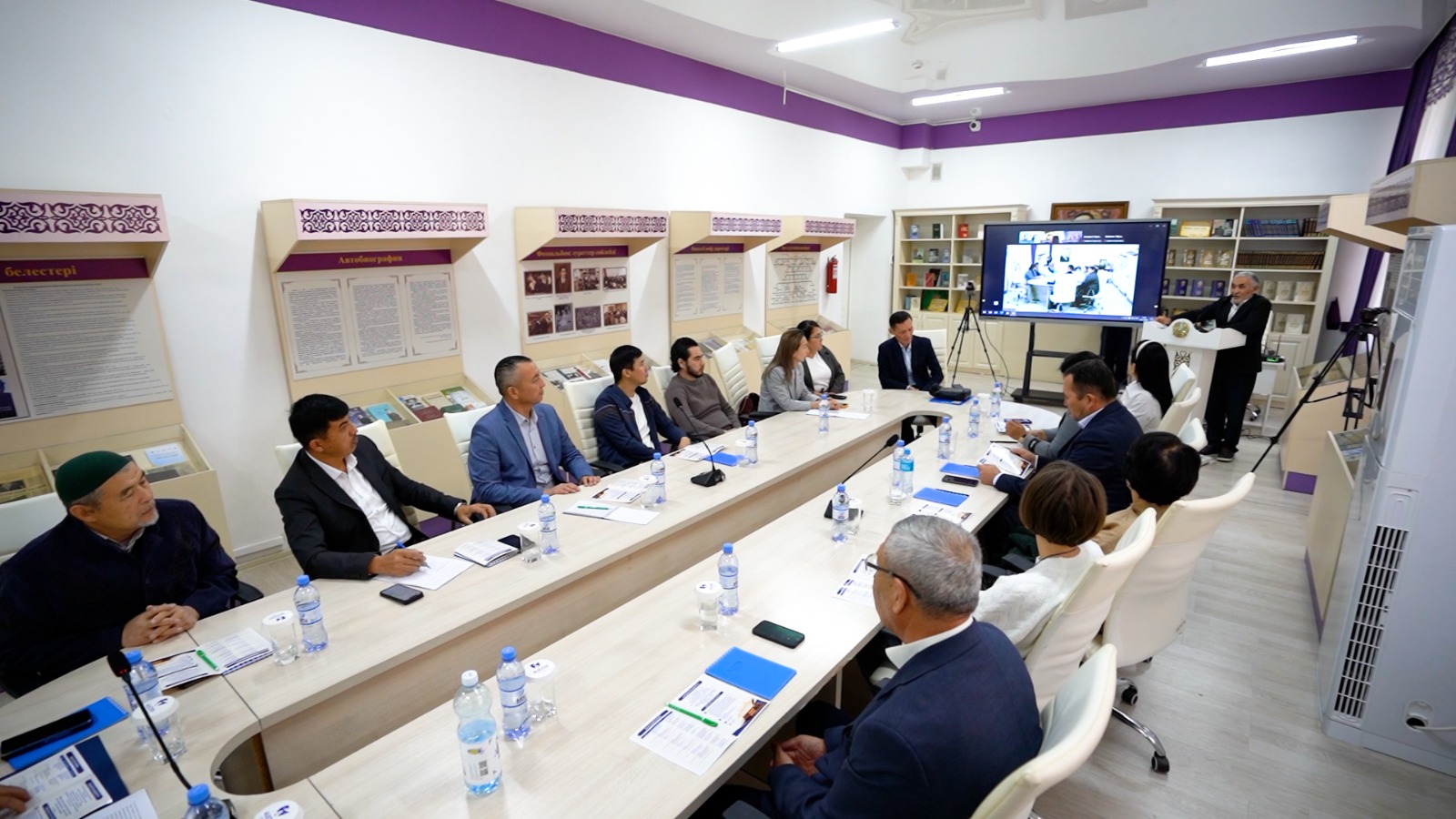
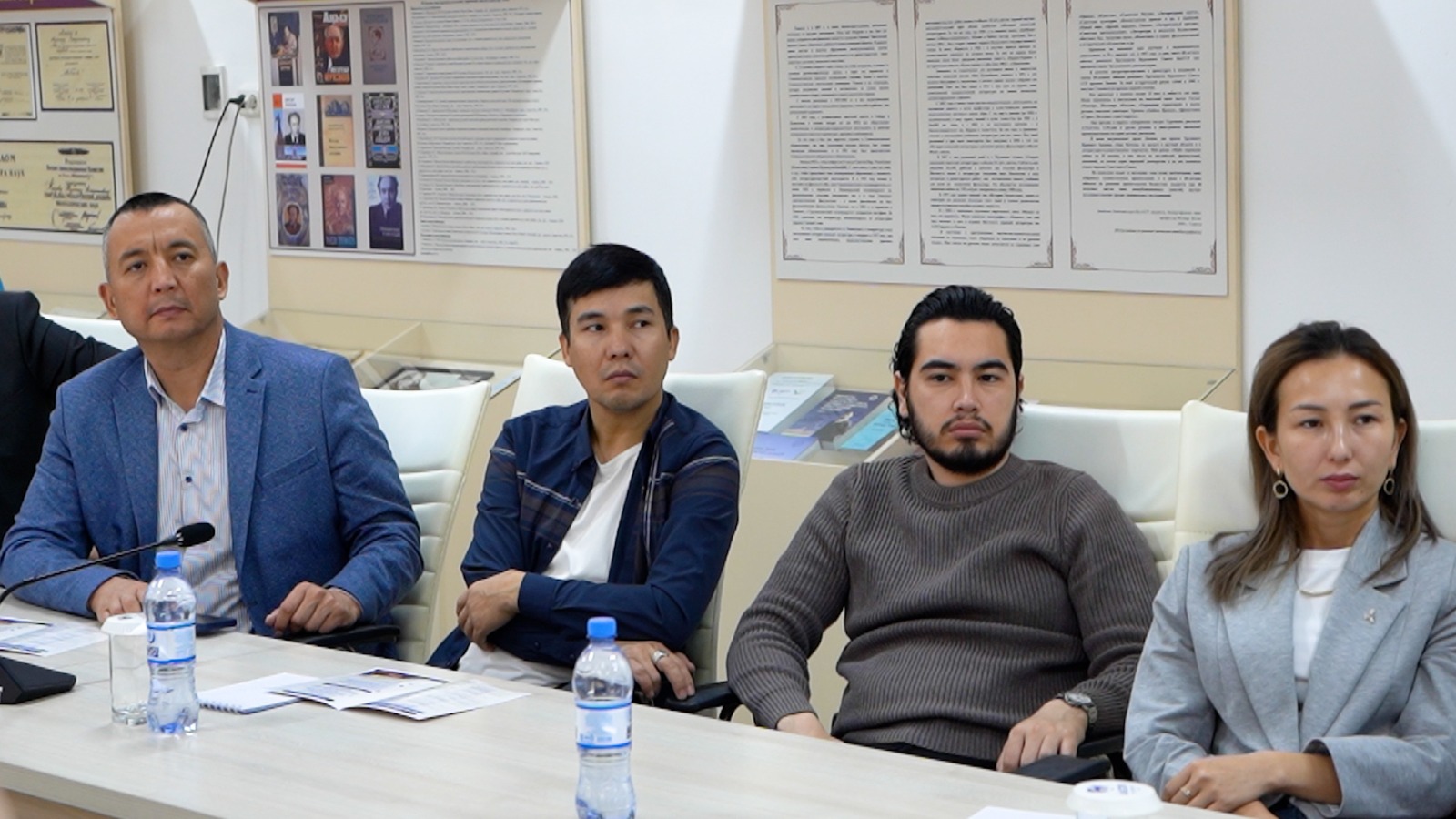
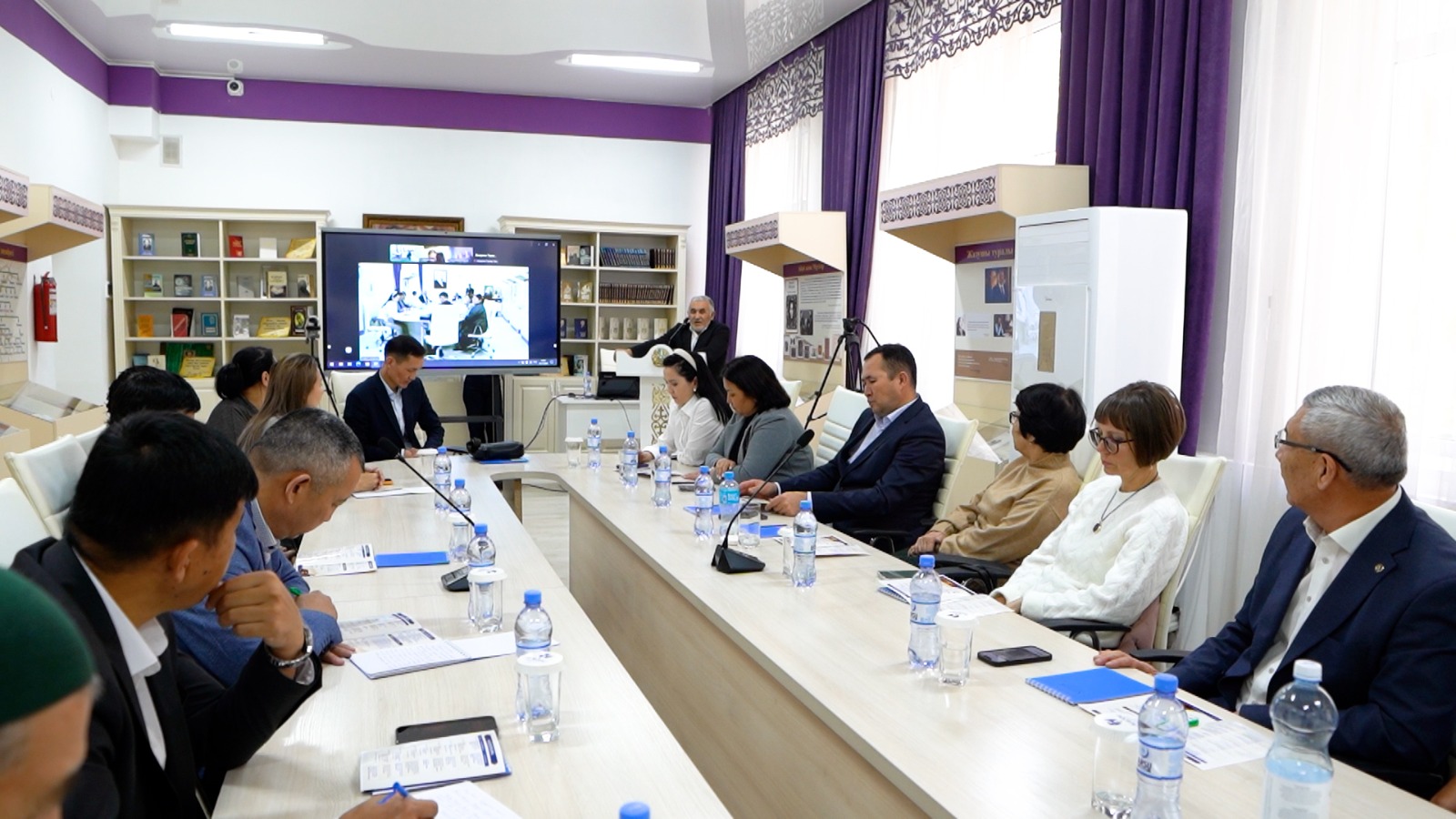
These issues were discussed in depth at a roundtable titled "The Ulus of Jochi: Statehood, Civilization and Spiritual Culture in the Context of Contemporary Research" held at Mukhtar Auezov South Kazakhstan University.
The academic event was organized by the university’s research centers for Abai Studies and Mukhtar Studies, Turkology, History and Ethnology and Archaeology and Anthropological Research, operating under the Research Institute of Social Sciences and Humanities.
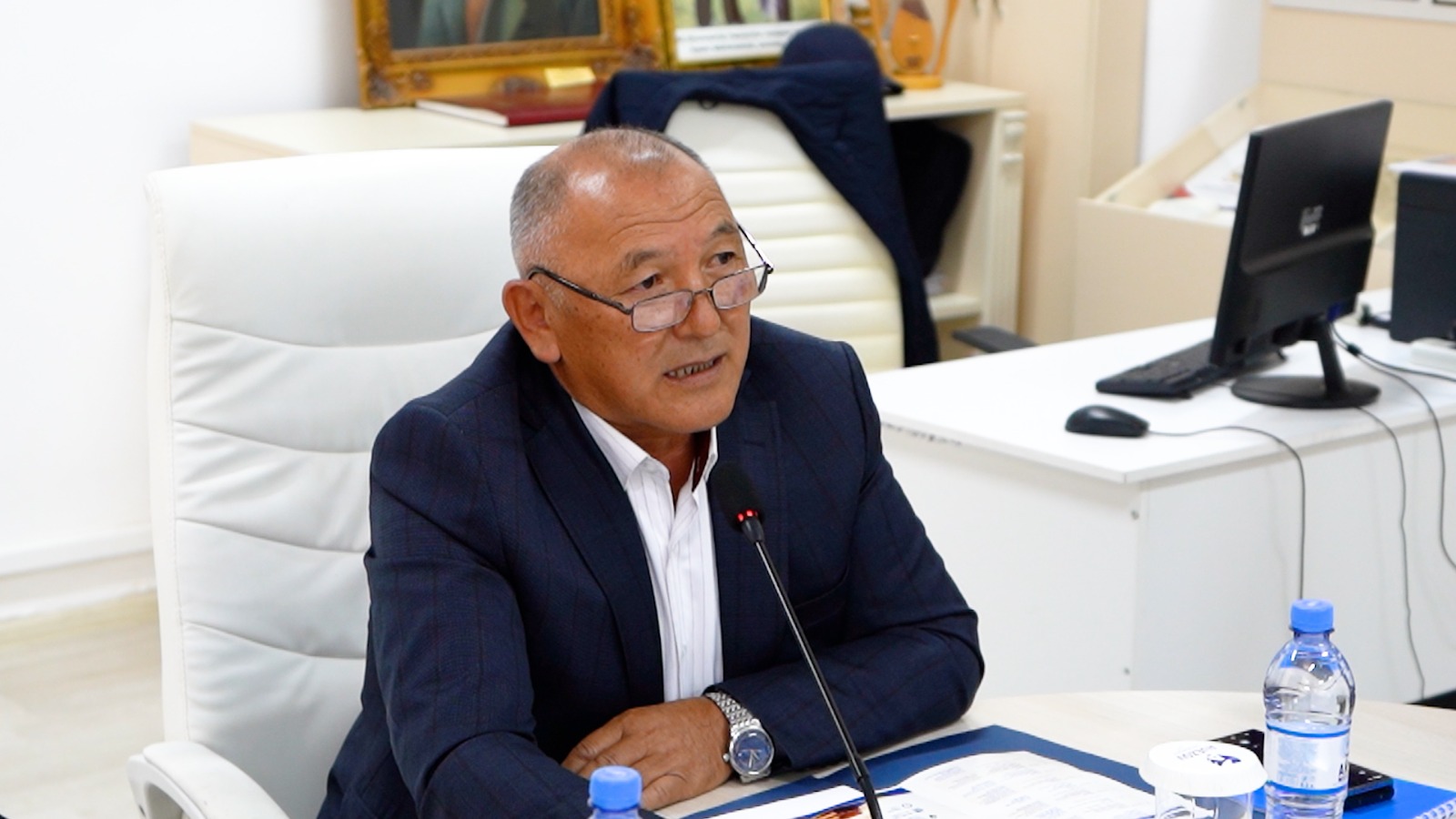
The roundtable was opened by the Director of the Institute, Doctor of Philology Professor Boranbay Sandybay. The main objective of the event was to explore the role of the Ulus of Jochi in Eurasian civilization, examine its state structure and cultural heritage and analyse its historical continuity with the Kazakh Khanate.
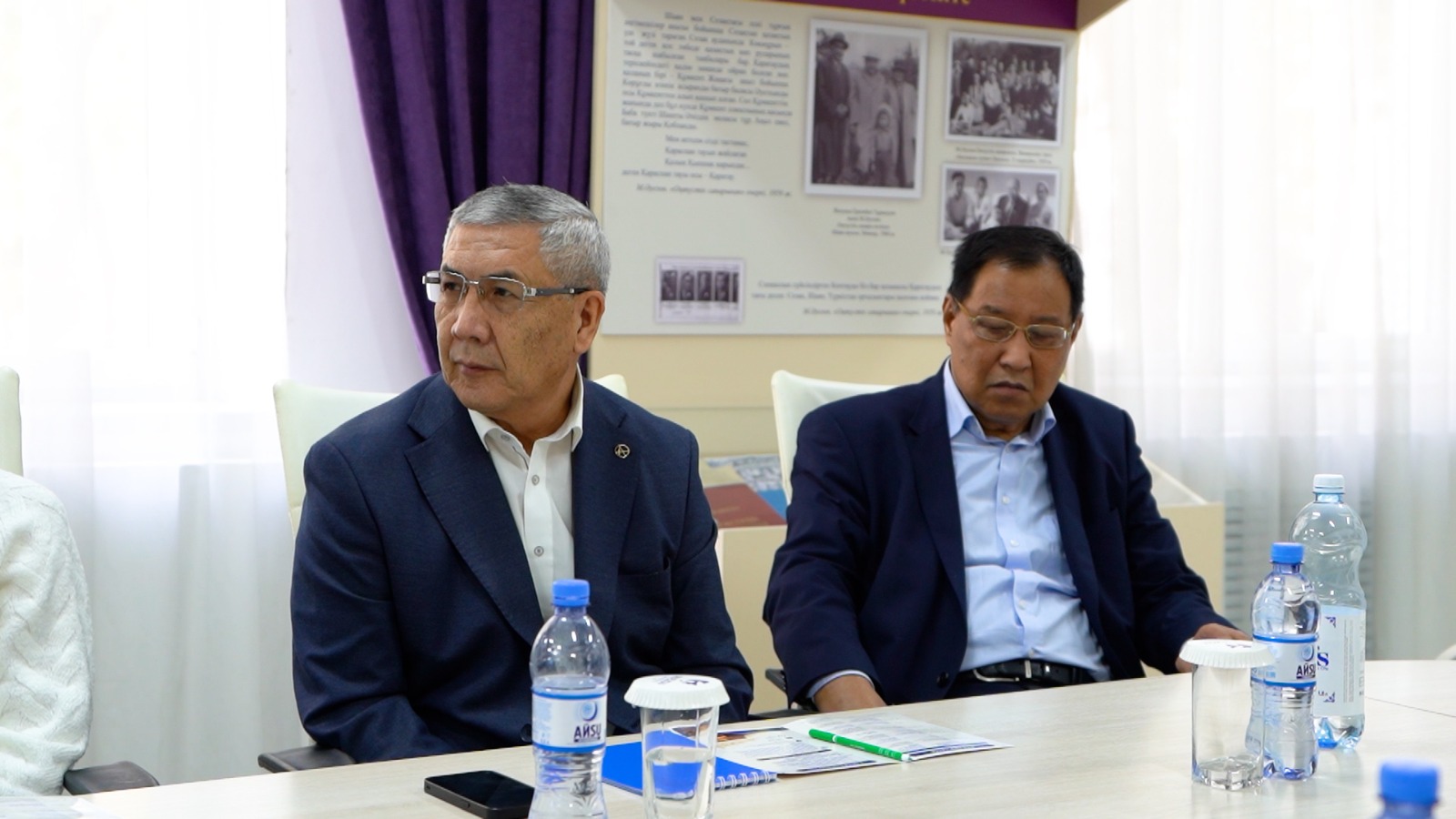
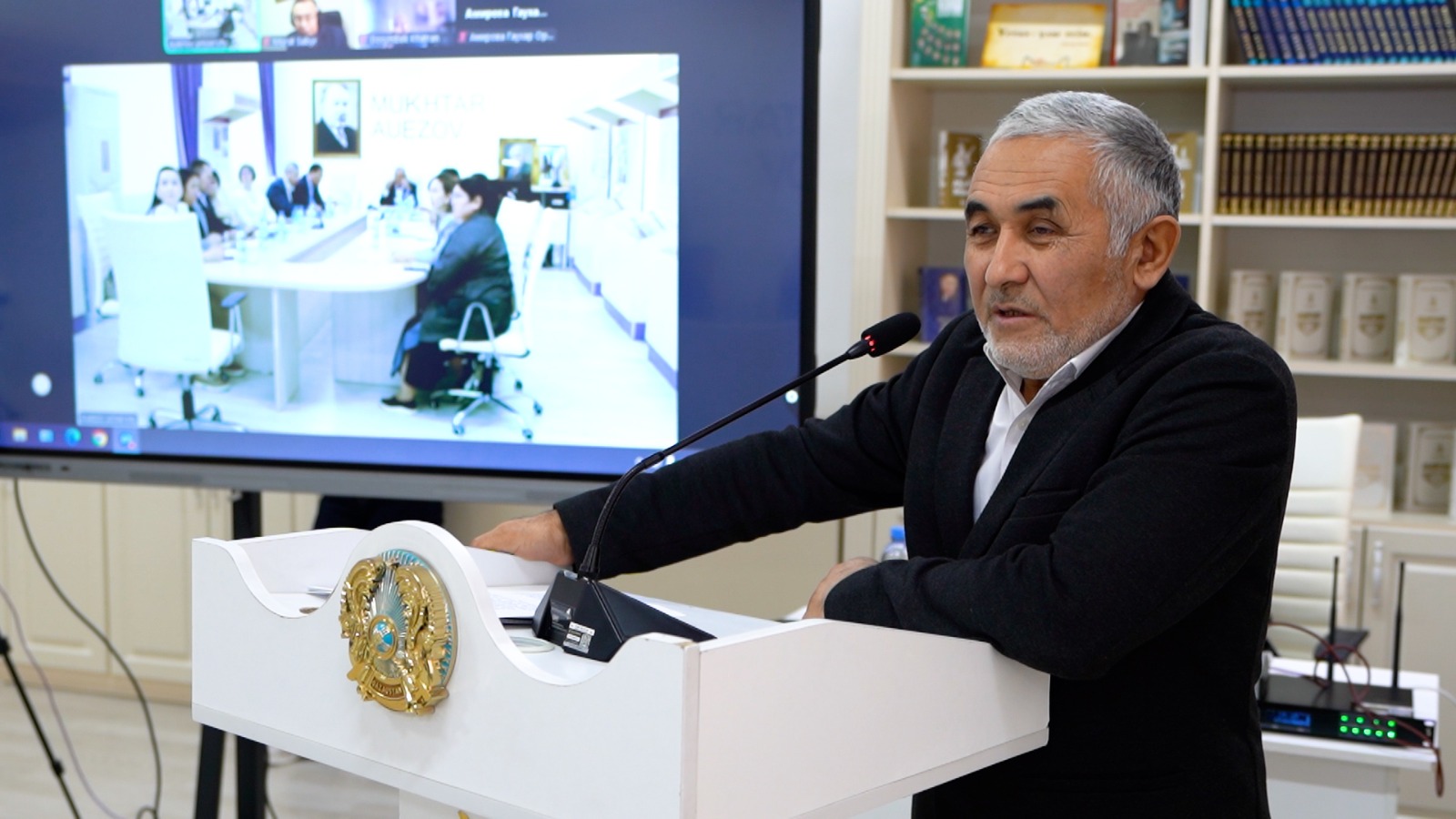
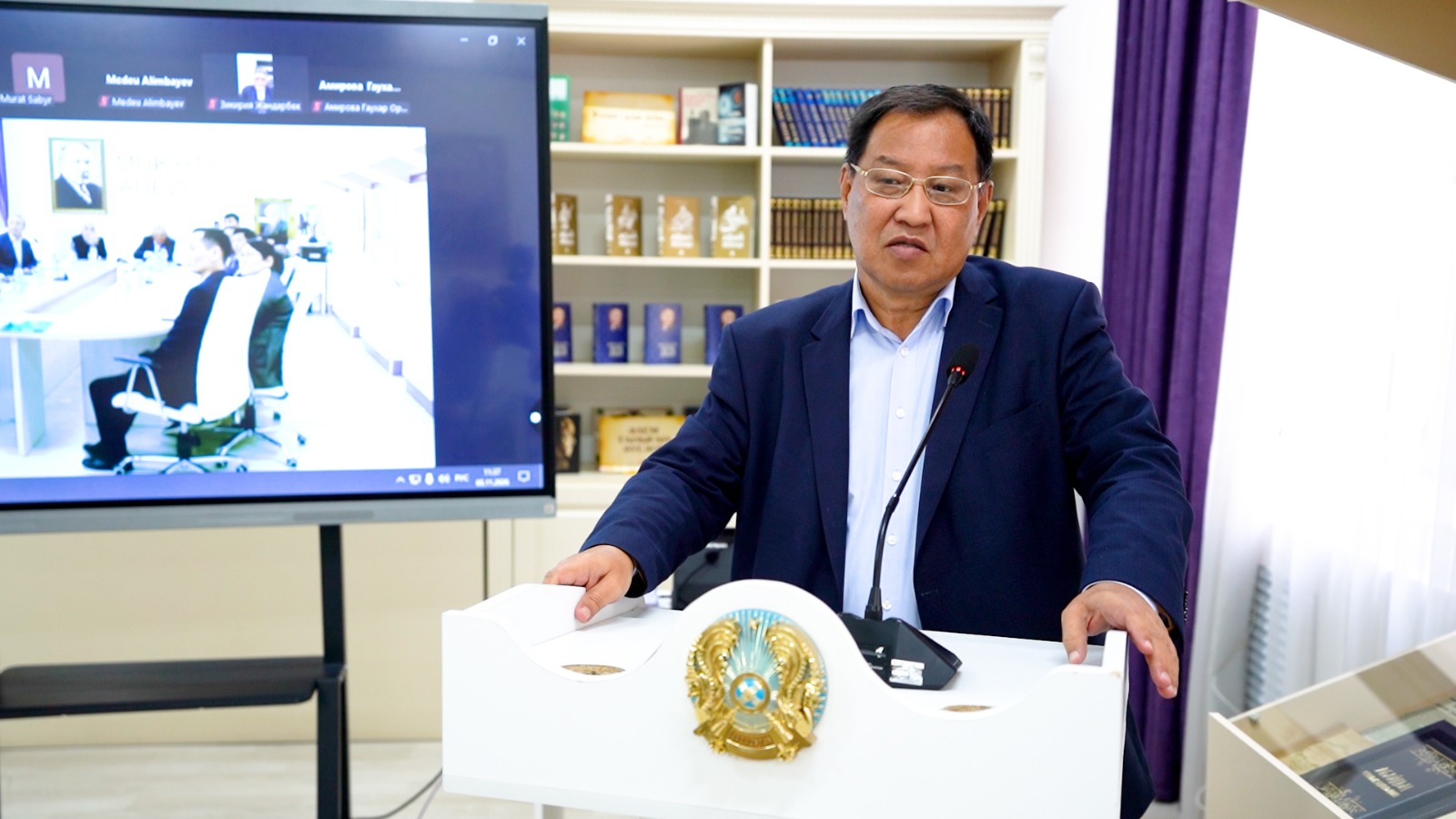
The presentations addressed the role of the Ulus of Jochi in Eurasian history, the state system during the Golden Horde period, imperial consciousness and religious beliefs. Their views and research findings on these topics were shared by Akzhol Kalshabek, Head of the Abai Studies and Mukhtar Studies Research Centre Dosymbek Katyran, Professor at the Egyptian University of Islamic Culture Nur-Mubarak and historians Ordaly Konyratbayev and Zikiriya Zhandarbekov.
The discussion also covered the historical significance of written monuments from the Golden Horde period, the role of archaeological evidence in understanding the history of statehood and the spiritual and cultural value of Turkic written heritage. Scientific presentations on these topics were delivered by Murat Sabyr, Professor at the West Kazakhstan Innovation and Technological University, as well as Amangeldi Saipov and Assylbek Nogayev.
In conclusion, the participants emphasized the importance of a comprehensive study of the history of the Ulus of Jochi in the context of state traditions, cultural heritage and historical continuity. The scholars also highlighted the need to continue research at the intersection of history, archaeology, philology and ethnology.
Found a typo? Please select it and press Ctrl + Enter.