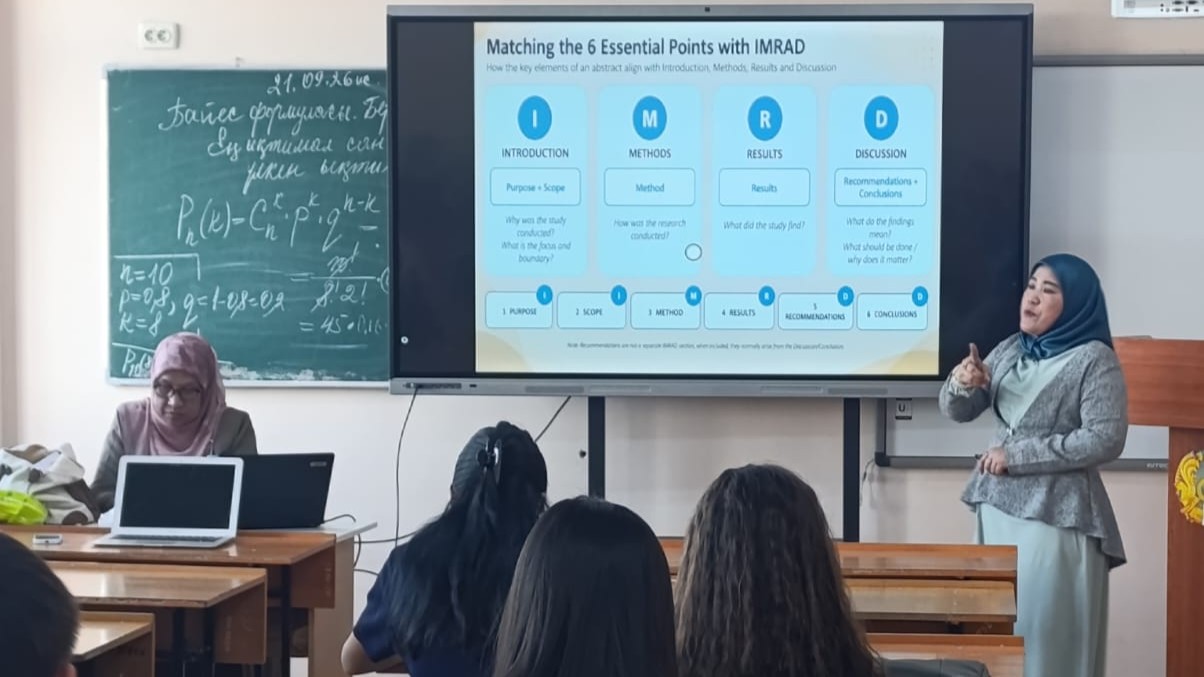
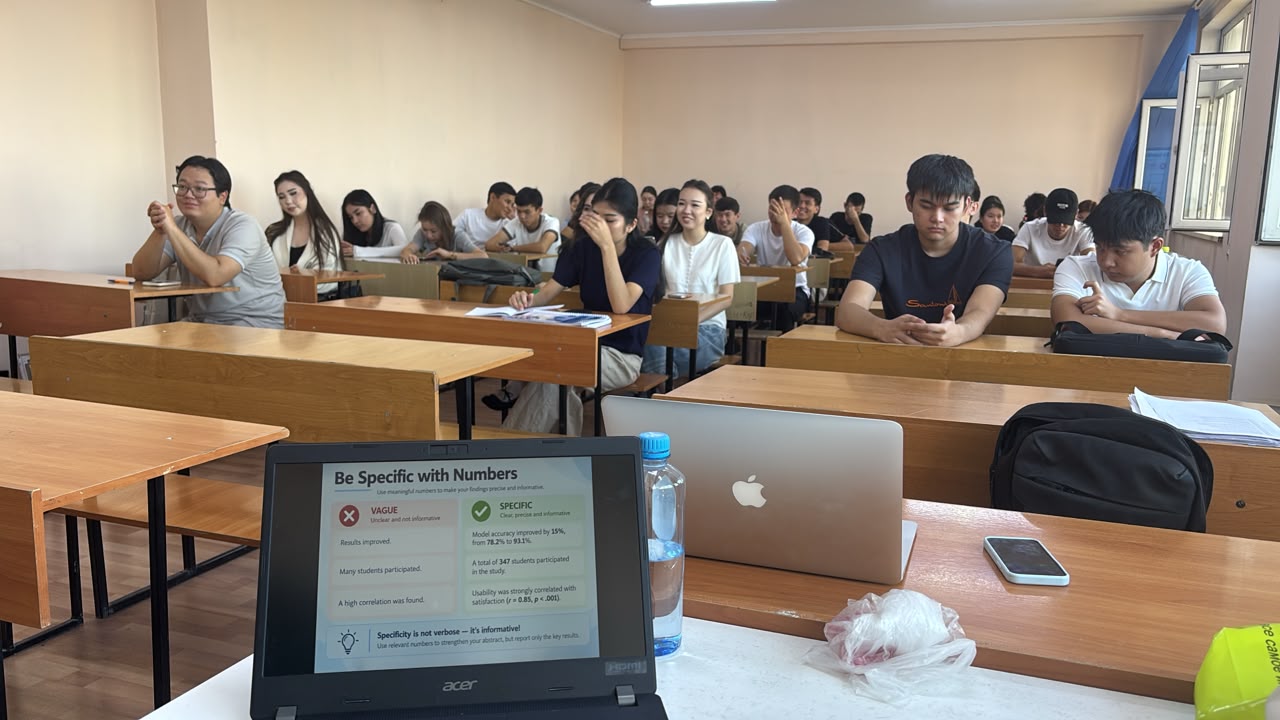
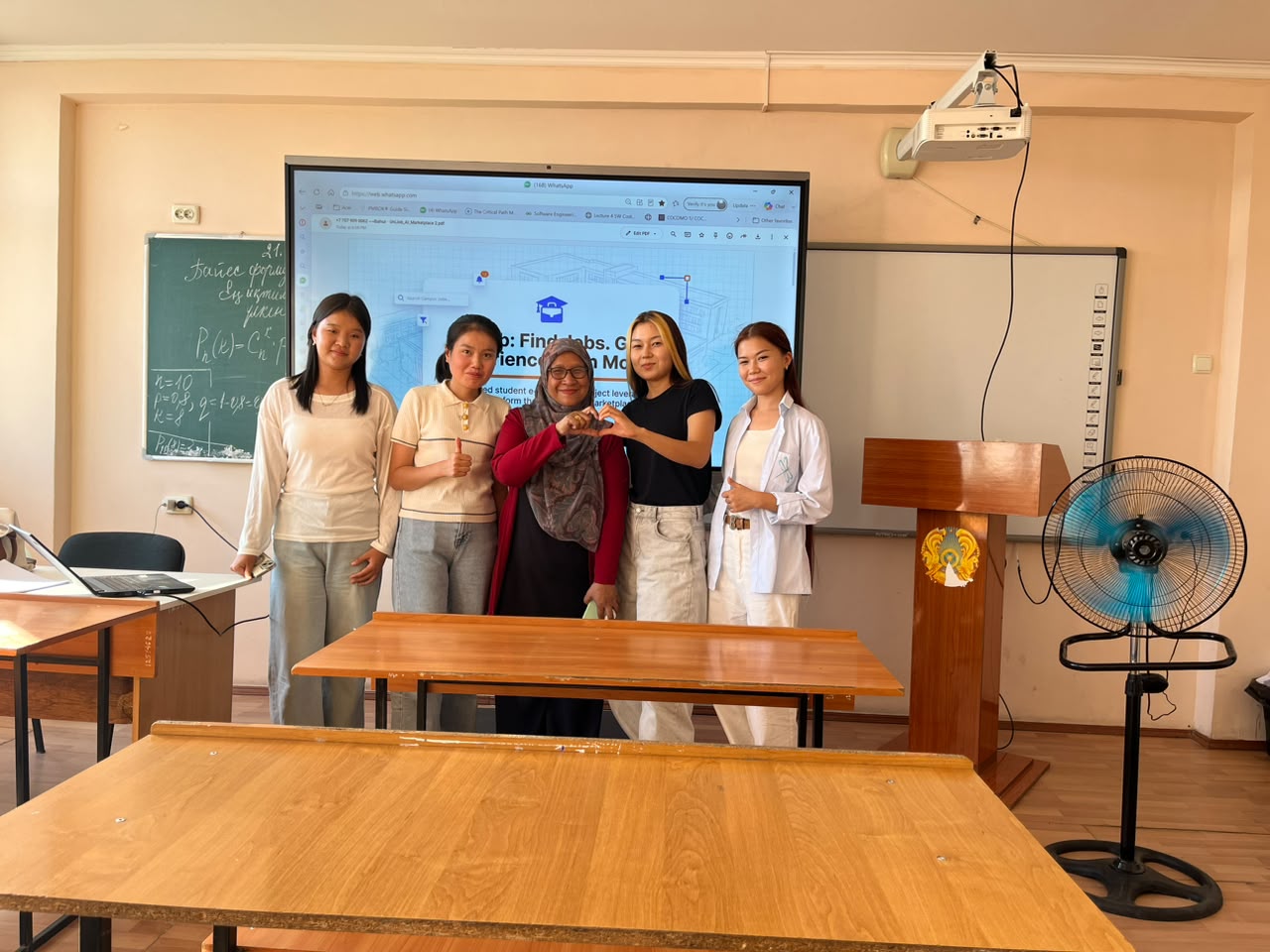
On September 22, 2026, a research and methodological seminar titled "Organizing a Research Project for Thesis and Graduation Projects" was held for final-year students of the Department of Information Systems and Modeling.
The seminar was conducted by visiting international lecturers from Universiti Putra Malaysia: Dr. Yusmadi Yah Binti Jusoh and Dr. Rozi Nor Haizan Nor.
During the session, the international experts outlined the key stages of organizing and conducting a research project: from identifying a relevant problem and formulating research objectives to selecting a methodology, planning work phases, analyzing results, and drawing final conclusions. Particular attention was paid to structuring the research logically, justifying the chosen methods, and establishing the link between the project's specific objectives and its expected outcomes.
The practical component of the seminar utilized examples of research projects conducted by students at Universiti Putra Malaysia. The visiting lecturers demonstrated how a student's research idea evolves into a structured project, how research questions are formulated, how data collection and analysis methods are determined, and how the completed work is presented.
During the discussion, students received practical advice on organizing their own thesis research and projects, selecting research methods, planning work stages, and presenting their findings. Participants also had the opportunity to ask the lecturers questions regarding the preparation of graduation projects and modern approaches to research in the field of information technology.
Such seminars foster the development of students' research competencies, broaden their understanding of international approaches to research activities, and enhance the quality of their thesis and graduation projects.
The seminar was conducted by visiting international lecturers from Universiti Putra Malaysia: Dr. Yusmadi Yah Binti Jusoh and Dr. Rozi Nor Haizan Nor.
During the session, the international experts outlined the key stages of organizing and conducting a research project: from identifying a relevant problem and formulating research objectives to selecting a methodology, planning work phases, analyzing results, and drawing final conclusions. Particular attention was paid to structuring the research logically, justifying the chosen methods, and establishing the link between the project's specific objectives and its expected outcomes.
The practical component of the seminar utilized examples of research projects conducted by students at Universiti Putra Malaysia. The visiting lecturers demonstrated how a student's research idea evolves into a structured project, how research questions are formulated, how data collection and analysis methods are determined, and how the completed work is presented.
During the discussion, students received practical advice on organizing their own thesis research and projects, selecting research methods, planning work stages, and presenting their findings. Participants also had the opportunity to ask the lecturers questions regarding the preparation of graduation projects and modern approaches to research in the field of information technology.
Such seminars foster the development of students' research competencies, broaden their understanding of international approaches to research activities, and enhance the quality of their thesis and graduation projects.