Cleanliness Begins with Awareness: Students Discussed Waste Reduction and Responsible Consumption
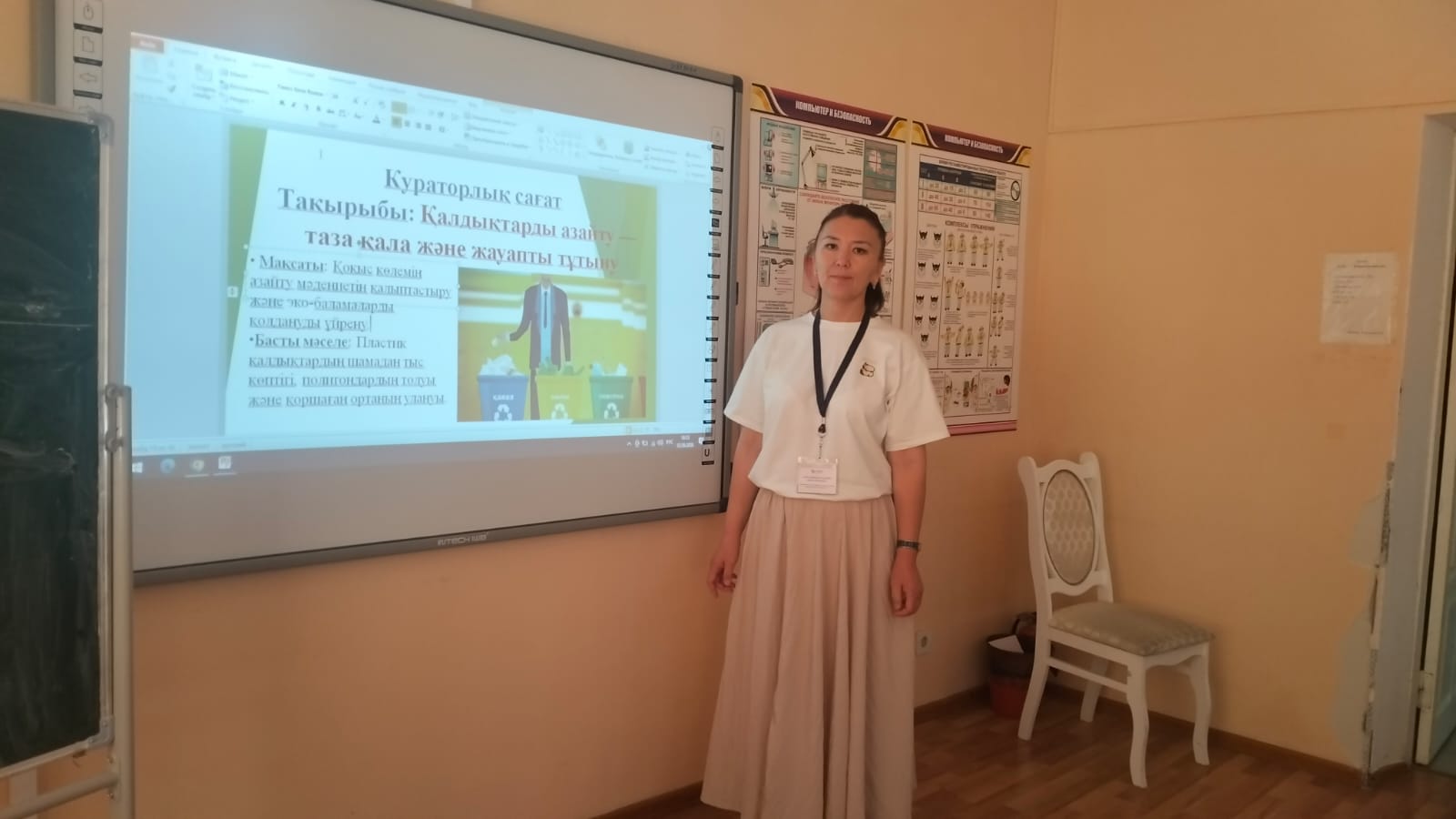
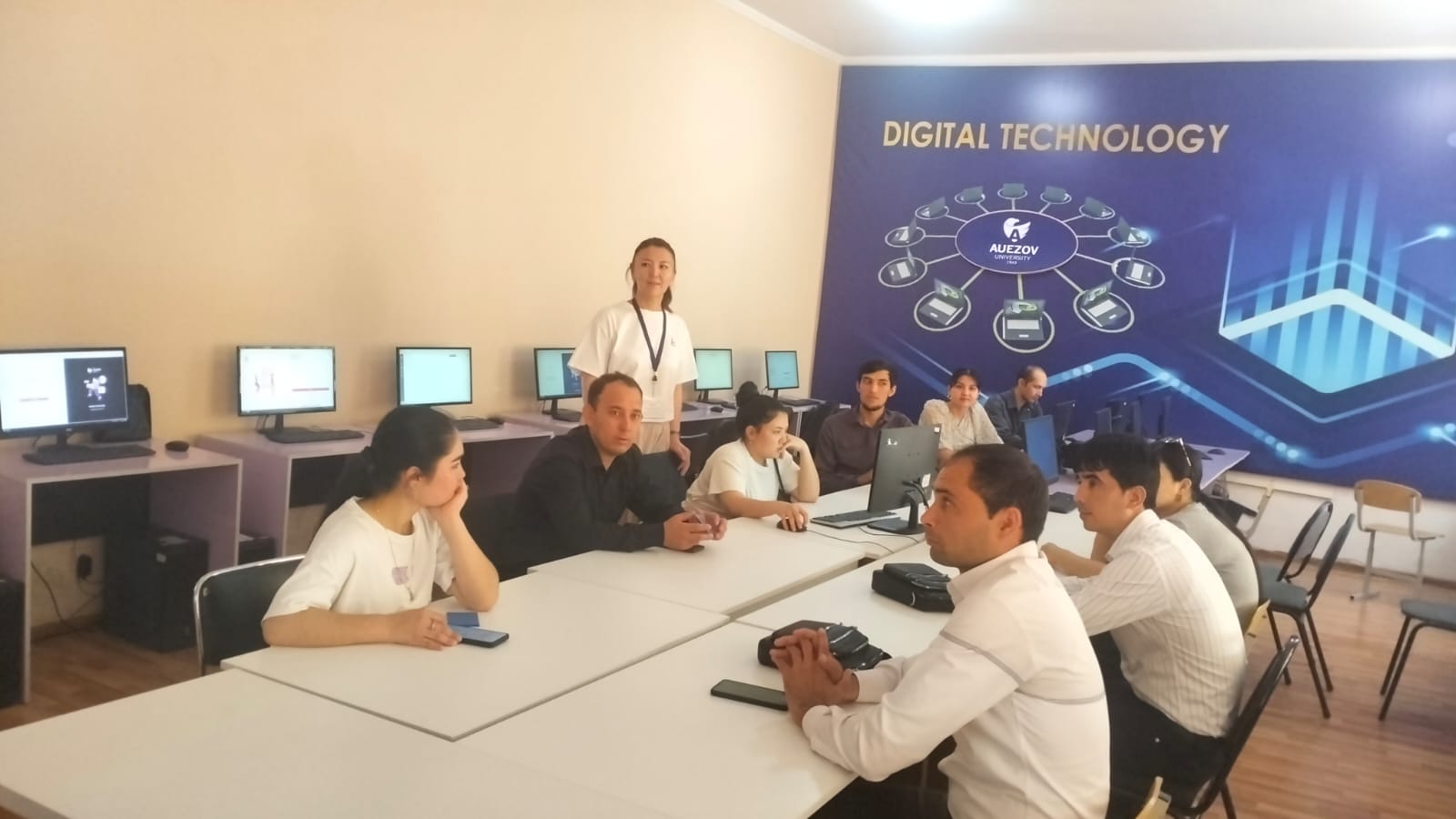
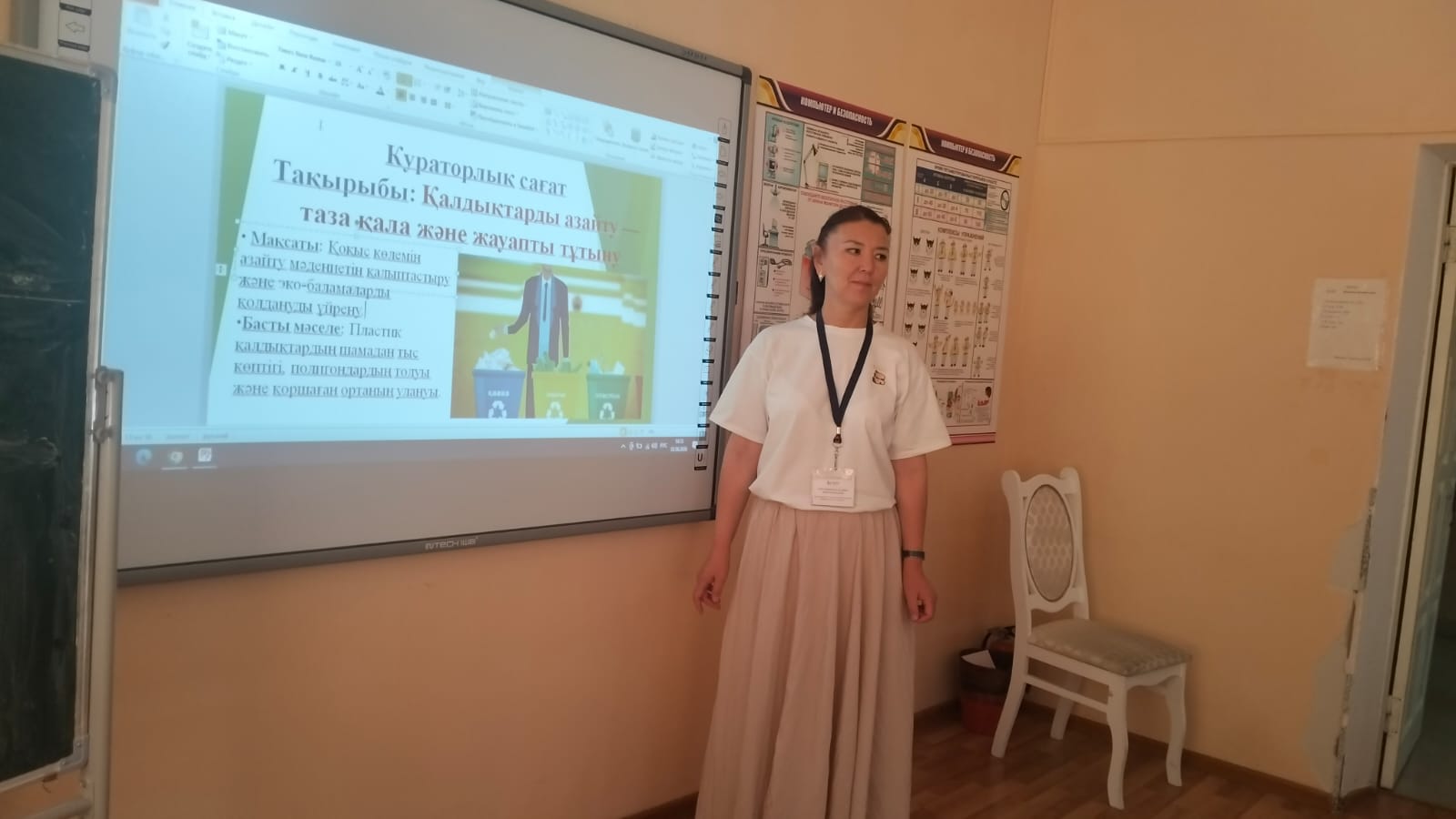
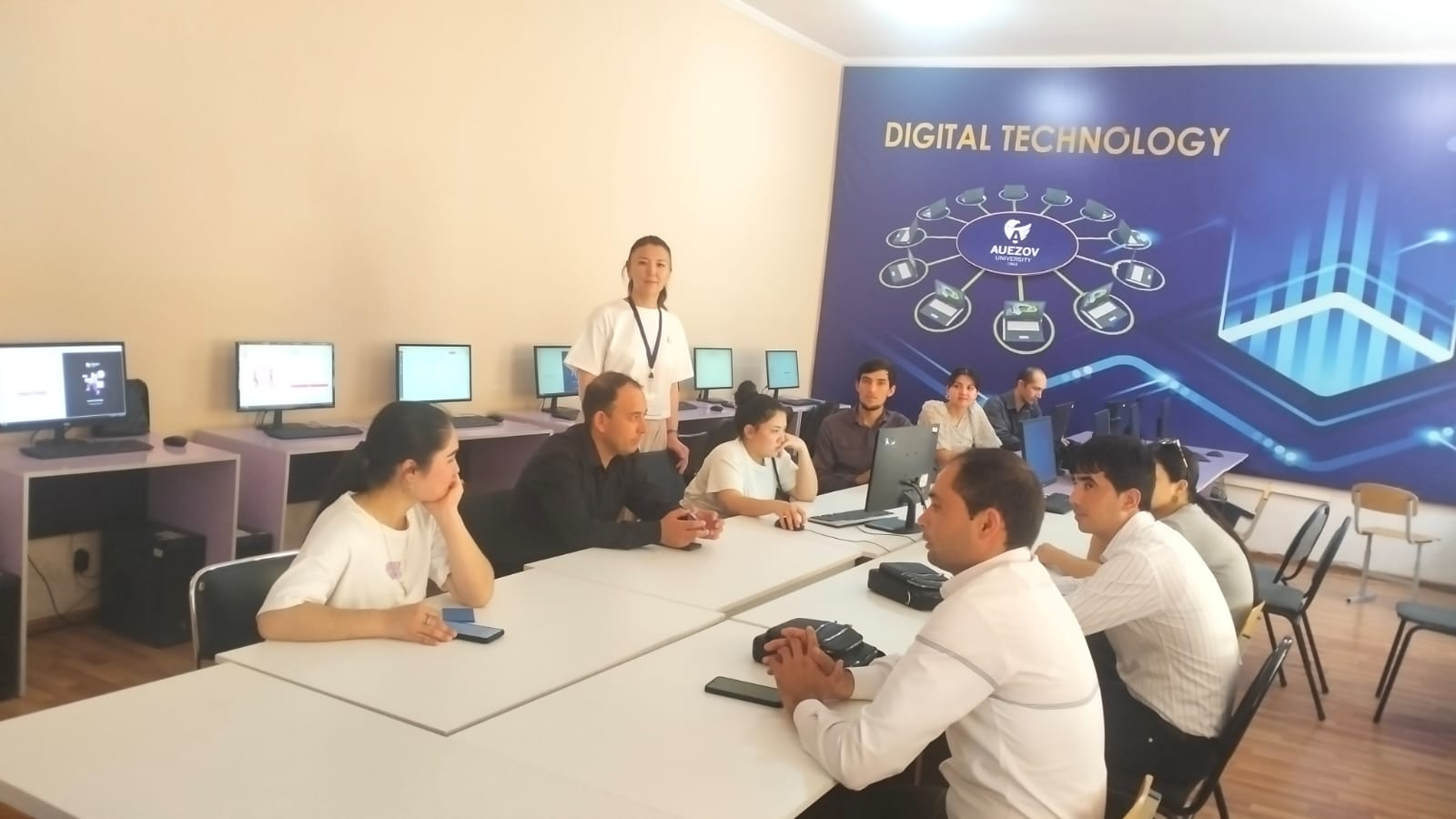
Protecting the environment from waste and promoting a culture of responsible consumption are among the most important challenges facing modern society. In this regard, Senior Lecturer M.M. Turganbekova of the Department of Information and Communication Technologies, together with the students of group TP25-22r1 and faculty members, organized an important curatorial session on the topic “Waste Reduction — A Clean City and Responsible Consumption.”
The main objective of the event was to promote the principles of a Zero Waste lifestyle among young people and to demonstrate effective ways of reducing waste in everyday life.
During the session, participants discussed the issue of plastic waste, which can take 400–500 years to decompose in nature, as well as the dangers of microplastics to human health. Students emphasized that one of the most effective ways to address this global problem is by following the 3R principle (Reduce, Reuse, Recycle):
Reduce: Avoid single-use plastic bags and disposable tableware by switching to reusable shopping bags and thermal mugs;
Reuse: Instead of discarding items immediately, donate them to charity or find ways to reuse them;
Recycle: Deliver paper, plastic, and electronic waste to designated recycling collection points.
The students also highlighted the importance of further digitalizing the educational process to reduce paper consumption. They noted that keeping notes and study materials in electronic format should become a beneficial habit.
According to Senior Lecturer M.M. Turganbekova: “Reducing waste is not just about avoiding littering; it is about developing a culture of conscious consumption. By making environmental awareness a trend within the university and dormitory community, we can build a cleaner university and a more responsible society.”
At the end of the event, participants agreed to introduce new environmentally friendly habits within the university based on the presentations and discussions held during the session. Every small step we take is a significant contribution to protecting our environment!